


As a dedicated supplier of solar cables, I've witnessed firsthand the crucial role these cables play in sustainable energy systems. One of the most significant features of solar cables is their insulation, which is designed to protect against a variety of electrical hazards. In this blog, we'll explore how the insulation of solar cables functions as a safeguard in solar power applications.
Understanding Electrical Hazards in Solar Power Systems
Before delving into the insulation's role, it's essential to understand the potential electrical hazards in solar power systems. Solar arrays are exposed to harsh environmental conditions, including extreme temperatures, moisture, UV radiation, and physical stress. These factors can lead to several electrical issues, such as short circuits, ground faults, and electrical fires.
Short circuits occur when the live conductors in a cable come into contact with each other, causing a sudden surge in current. This can damage the solar panels, inverters, and other components in the system. Ground faults happen when a live conductor touches the ground, which can create a dangerous electrical shock hazard for anyone in the vicinity. Electrical fires can be sparked by overheating cables due to excessive current or damaged insulation.
The Role of Insulation in Preventing Short Circuits
The primary function of solar cable insulation is to prevent short circuits. Insulation materials are chosen for their high electrical resistance, which means they do not allow electricity to flow through them easily. When a cable is properly insulated, the conductors inside are separated from each other and from any external conductive materials.
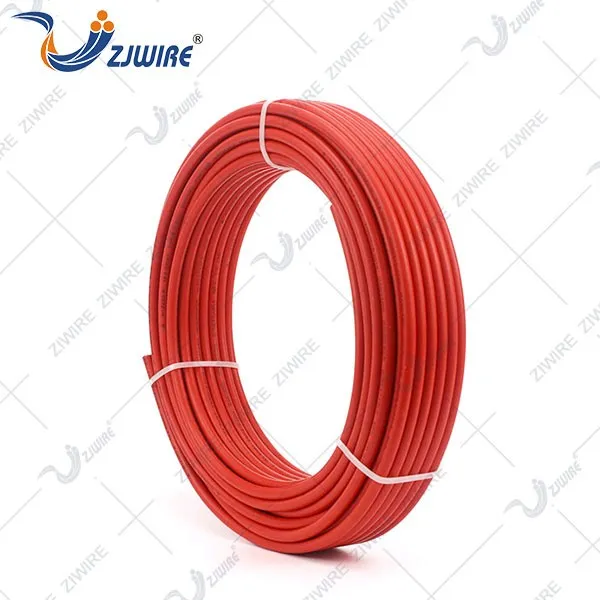
For example, PV1-F 4.0 cables are widely used in solar power systems. These cables are designed with high-quality insulation that provides excellent electrical isolation. The insulation is thick enough to withstand the electrical stress of the system, ensuring that the current flows only through the conductors and not between them.
The insulation also protects the conductors from physical damage. In a solar power installation, cables may be routed through tight spaces, around sharp edges, or buried underground. The insulation acts as a barrier, preventing the conductors from being cut or abraded. This is crucial because even a small break in the insulation can lead to a short circuit.
Protecting Against Ground Faults
In addition to preventing short circuits, the insulation of solar cables helps protect against ground faults. Ground faults can occur when the insulation of a cable is damaged, allowing the live conductor to come into contact with the ground. This can happen due to environmental factors such as rodents chewing on the cables or physical damage during installation.
Solar cables are often designed with a double insulation layer or a special grounding conductor to minimize the risk of ground faults. For instance, H1Z2Z2-K cables have a robust insulation structure that provides an extra layer of protection against ground faults. The outer sheath of the cable is made of a durable material that is resistant to mechanical damage and environmental factors.
The insulation also plays a role in grounding the cable. Proper grounding is essential to ensure that any electrical faults are safely redirected to the ground. The insulation helps maintain the integrity of the grounding system by preventing the ground conductor from coming into contact with live conductors.
Heat Resistance and Fire Prevention
Another important aspect of solar cable insulation is its heat resistance. Solar power systems generate a significant amount of heat, especially during peak sunlight hours. If the cables are not able to withstand this heat, the insulation can degrade, leading to electrical hazards.
In high - temperature environments, the insulation of solar cables must be able to maintain its electrical and mechanical properties. TUV PV1-F cables are known for their excellent heat resistance. The insulation materials used in these cables are designed to withstand high temperatures without melting or degrading.
Good insulation also helps prevent electrical fires. By preventing short circuits and overheating, the insulation reduces the risk of sparks and flames. In the event of an electrical fault, the insulation can slow down the spread of fire, giving more time for the system to be shut down safely.

Resistance to Environmental Factors
Solar cables are exposed to a wide range of environmental factors, including UV radiation, moisture, and chemicals. These factors can degrade the insulation over time, reducing its effectiveness in protecting against electrical hazards.
UV radiation can cause the insulation to become brittle and crack, allowing moisture to penetrate and causing electrical problems. To combat this, solar cable insulation is often made of materials that are resistant to UV radiation. PV1-F 1.5 cables, for example, have a UV - resistant outer sheath that protects the inner insulation from damage.
Moisture can also be a major problem for solar cables. Water can conduct electricity, which can lead to short circuits and ground faults. Insulation materials are chosen for their water - resistant properties. Some cables are also designed with a moisture - barrier layer to prevent water from reaching the conductors.
Mechanical Protection
The insulation of solar cables provides mechanical protection to the conductors. In a solar power installation, cables may be subject to bending, pulling, and vibration. The insulation helps to absorb these mechanical stresses, preventing damage to the conductors.
For example, Solar PV Cables(Single) are designed to be flexible and durable. The insulation allows the cables to be bent and routed easily without causing damage to the conductors. This is important because damaged conductors can lead to electrical hazards.
Quality Assurance in Insulation
As a solar cable supplier, we understand the importance of quality assurance in insulation. We use high - quality materials and advanced manufacturing processes to ensure that our cables meet the highest standards of insulation performance.
Our cables are tested rigorously to ensure that they can withstand the electrical, environmental, and mechanical stresses of solar power applications. We conduct tests for electrical resistance, insulation thickness, UV resistance, and heat resistance. Only cables that pass these tests are released for sale.
Conclusion and Call to Action
In conclusion, the insulation of solar cables plays a vital role in protecting against electrical hazards in solar power systems. It prevents short circuits, ground faults, and electrical fires, and it also provides protection against environmental and mechanical stresses.
If you are in the market for high - quality solar cables that offer excellent insulation and protection against electrical hazards, we are here to help. Our range of solar cables, including PV1-F 4.0, PV1-F 1.5, Solar PV Cables(Single), H1Z2Z2-K, and TUV PV1-F, is designed to meet the diverse needs of solar power installations. Contact us today to discuss your requirements and start a procurement negotiation.


