


Hey there, solar enthusiasts! I'm a supplier of solar cables, and I'm here to walk you through the process of connecting solar cables to inverters. It might seem a bit daunting at first, but with the right knowledge and a bit of patience, you'll be able to do it like a pro.
Why Connecting Solar Cables to Inverters is Important
Before we dive into the how - to, let's quickly talk about why this connection is so crucial. Solar panels generate direct current (DC) electricity, but most of our household appliances run on alternating current (AC). That's where the inverter comes in. It converts the DC power from the solar panels into AC power that can be used in your home or fed back into the grid. The solar cables are the link that transfers the DC power from the panels to the inverter. A proper connection ensures efficient power transfer and reduces the risk of power loss or electrical hazards.
Types of Solar Cables
There are several types of solar cables available in the market. Two popular ones are PV1 - F 1.5 and H1Z2Z2 - K.
The PV1 - F 1.5 cable is widely used in photovoltaic systems. It's designed to withstand harsh environmental conditions, such as high temperatures, UV radiation, and moisture. This makes it a great choice for outdoor solar installations.
On the other hand, the H1Z2Z2 - K cable is also a reliable option. It has excellent insulation properties and is suitable for both indoor and outdoor use. These cables are flexible, which makes them easy to install and route around your solar setup.
And of course, we also have PV DC Cable, which is a general term for cables used to connect solar panels to inverters. It comes in different sizes and specifications to meet various system requirements.
Tools You'll Need
To connect solar cables to inverters, you'll need a few basic tools:
- Wire strippers: These are used to remove the outer insulation of the cable, exposing the conductive wires inside.
- Crimping tool: This tool is used to attach connectors to the ends of the cables.
- Screwdriver: You'll need it to secure the cables to the inverter terminals.
- Electrical tape: This is used to insulate the connections and prevent any short - circuits.
Step - by - Step Guide to Connecting Solar Cables to Inverters
Step 1: Prepare the Cables
First, you need to measure and cut the solar cables to the appropriate length. Make sure to leave some extra length to account for any future adjustments. Once you've cut the cables, use the wire strippers to remove about 1 - 2 inches of the outer insulation from each end of the cable. Be careful not to damage the inner wires.
Step 2: Attach the Connectors
Take the appropriate connectors for your cables. There are different types of connectors available, such as MC4 connectors, which are very common in solar installations. Use the crimping tool to attach the connectors to the exposed ends of the cables. Make sure the connectors are securely attached, as a loose connection can lead to power loss or overheating.
Step 3: Identify the Inverter Terminals
Before you start connecting the cables, you need to identify the inverter terminals. Most inverters have positive (+) and negative (-) terminals. The positive terminal is usually marked with a red color or a plus sign, and the negative terminal is marked with a black color or a minus sign.
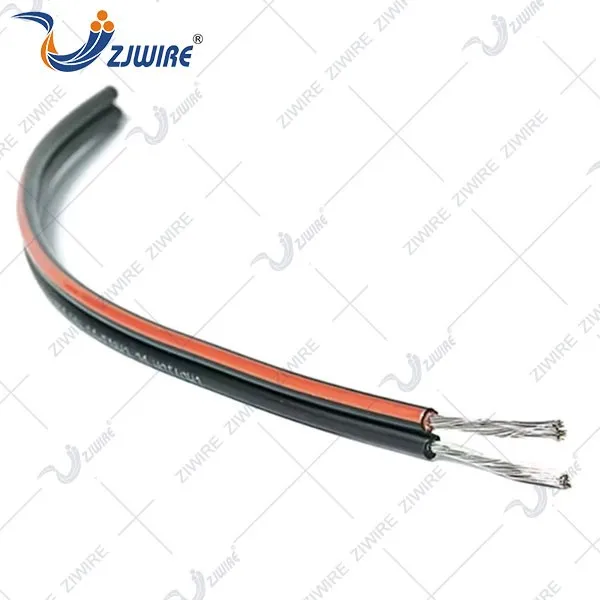

Step 4: Connect the Cables to the Inverter
Once you've identified the terminals, connect the positive cable to the positive terminal of the inverter and the negative cable to the negative terminal. Use the screwdriver to tighten the screws on the terminals, ensuring a good electrical connection.
Step 5: Insulate the Connections
After connecting the cables to the inverter, use electrical tape to insulate the connections. Wrap the tape around the exposed parts of the cables and the terminals to prevent any short - circuits.
Safety Precautions
- Turn off the power: Before you start working on the solar system, make sure to turn off the power at the inverter and the main electrical panel. This will prevent any electrical shocks.
- Wear protective gear: Wear safety glasses and gloves to protect yourself from any potential hazards.
- Follow the manufacturer's instructions: Different inverters and cables may have specific installation instructions. Make sure to read and follow these instructions carefully.
Troubleshooting
If you're having trouble connecting the cables or if you notice any issues with the power output, here are a few things you can check:
- Check the connections: Make sure the cables are properly connected to the inverter terminals and that the connectors are securely attached to the cables.
- Inspect the cables: Look for any signs of damage, such as cuts or frayed wires. If you find any damaged cables, replace them immediately.
- Check the inverter settings: Make sure the inverter is set up correctly and that it's compatible with your solar panels and cables.
Conclusion
Connecting solar cables to inverters is an important part of setting up a solar power system. By following the steps outlined in this guide and taking the necessary safety precautions, you can ensure a successful installation. If you have any questions or need more information about our solar cables, feel free to reach out to us. We're here to help you make the most of your solar energy system. Whether you're a DIY enthusiast or a professional installer, our high - quality solar cables, like PV1 - F 1.5, H1Z2Z2 - K, and PV DC Cable, can meet your needs. Contact us to discuss your solar cable requirements and let's work together to power a greener future.


