


Polyvinyl chloride (PVC) is one of the most widely used synthetic polymers in the world, known for its versatility, durability, and cost - effectiveness. As a PVC supplier, I've witnessed firsthand the diverse applications of PVC in various industries, especially in the chemistry research industry. In this blog post, I'll explore some of the key applications of PVC in chemistry research.
Laboratory Equipment
PVC is extensively used in the manufacturing of laboratory equipment. One of the most common applications is in the production of laboratory tubing. PVC tubing is flexible, resistant to many chemicals, and relatively inexpensive. It can be used for transferring a wide range of liquids and gases in chemical experiments. For example, in a titration experiment, PVC tubing can be used to connect the burette to other apparatus, allowing for the smooth flow of the titrant.
Another important laboratory item made from PVC is laboratory gloves. PVC gloves provide a barrier against chemical splashes and are often used in chemistry research to protect the hands of researchers. They are available in different thicknesses and sizes, depending on the specific requirements of the experiment. The chemical resistance of PVC gloves makes them suitable for handling a variety of chemicals, including acids, bases, and solvents.
In addition, PVC is used to make storage containers for chemicals. These containers can come in different shapes and sizes, such as bottles and jars. PVC containers are lightweight, shatter - resistant, and can be easily molded into the desired form. They are also relatively cheap to produce, making them a cost - effective option for storing chemicals in the laboratory. However, it's important to note that not all chemicals can be stored in PVC containers, as some may react with PVC over time.
Chemical Catalysis
PVC can play a role in chemical catalysis. In some cases, PVC can be modified to act as a support for catalysts. For example, metal nanoparticles can be immobilized on the surface of PVC. The PVC matrix provides a stable support for the nanoparticles, preventing them from aggregating and increasing their catalytic activity. This type of supported catalyst can be used in various chemical reactions, such as hydrogenation and oxidation reactions.
Moreover, PVC can be used in the development of new catalytic systems. Researchers are exploring the use of PVC - based polymers with specific functional groups to create catalysts with enhanced selectivity and activity. These new catalytic systems have the potential to improve the efficiency of chemical reactions and reduce the environmental impact of chemical processes.
Separation Techniques
PVC is also involved in separation techniques in chemistry research. One application is in the preparation of membranes for membrane separation processes. PVC membranes can be fabricated with different pore sizes and surface properties, depending on the separation requirements. For example, in ultrafiltration processes, PVC membranes with specific pore sizes can be used to separate macromolecules from small molecules in a solution.
PVC can also be used in ion - exchange chromatography. By modifying the PVC polymer to introduce ion - exchange groups, it can be used as an ion - exchange resin. These resins can selectively bind and separate different ions based on their charge and size. This is particularly useful in the analysis and purification of metal ions in chemical samples.
Simulation and Modeling
In the field of chemistry research, simulation and modeling are important tools for understanding chemical processes. PVC can be used as a model material in these studies. Since PVC is a well - characterized polymer, it can be used to develop and validate simulation models for polymer behavior. For example, molecular dynamics simulations can be performed on PVC to study its structure, dynamics, and interactions with other molecules.
These simulation studies can provide insights into the properties of PVC and other polymers, which can be useful in the design of new materials and the optimization of chemical processes. Additionally, the data obtained from these simulations can be used to predict the behavior of PVC in real - world applications, such as in the development of new PVC - based products.
Environmental Research
PVC is also relevant in environmental chemistry research. As a widely used polymer, understanding its environmental fate and behavior is crucial. Researchers study the degradation of PVC in different environmental conditions, such as in soil, water, and air. This research helps to assess the potential environmental impact of PVC waste and develop strategies for its proper disposal and recycling.
Moreover, PVC can be used in environmental monitoring. For example, PVC - based sensors can be developed to detect pollutants in the environment. These sensors can be designed to be selective and sensitive to specific pollutants, such as heavy metals or organic contaminants. By using PVC as a base material, the sensors can be made more cost - effective and easier to fabricate.
PVC Compound
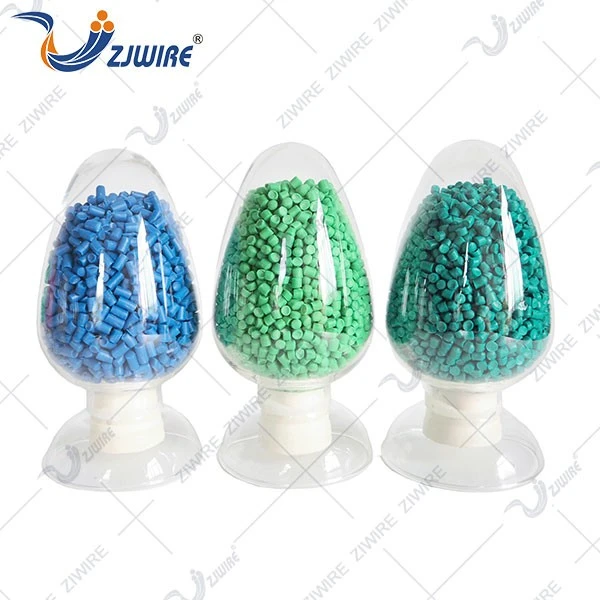
If you are interested in exploring more about PVC products, you can visit our website to learn about PVC Compound. Our PVC compounds are carefully formulated to meet the specific requirements of different applications in the chemistry research industry. We offer a wide range of PVC compounds with different properties, such as chemical resistance, mechanical strength, and thermal stability.
Conclusion
In conclusion, PVC has a wide range of applications in the chemistry research industry. From laboratory equipment to chemical catalysis, separation techniques, simulation and modeling, and environmental research, PVC plays an important role in advancing our understanding of chemical processes and developing new materials and technologies.
As a PVC supplier, we are committed to providing high - quality PVC products to support the needs of the chemistry research community. Whether you are conducting basic research or developing new industrial processes, our PVC products can offer reliable solutions. If you are interested in purchasing PVC products for your research or applications, please feel free to contact us for further discussions and procurement negotiations. We look forward to working with you to drive innovation in the field of chemistry.

References
- "Polyvinyl Chloride: Properties, Processing, and Applications" - A comprehensive book on PVC covering its various aspects including chemistry and applications.
- Journal of Polymer Science: Many research articles in this journal focus on the use of PVC in different chemical research areas.
- Environmental Science & Technology: Contains studies related to the environmental impact and applications of PVC in environmental research.


