


As a trusted supplier of plastic insulated copper wire, I've witnessed firsthand the critical role that heat dissipation performance plays in electrical systems. In this blog, I'll delve into the heat dissipation characteristics of plastic insulated copper wire, exploring how it affects performance, safety, and efficiency.
Understanding Plastic Insulated Copper Wire
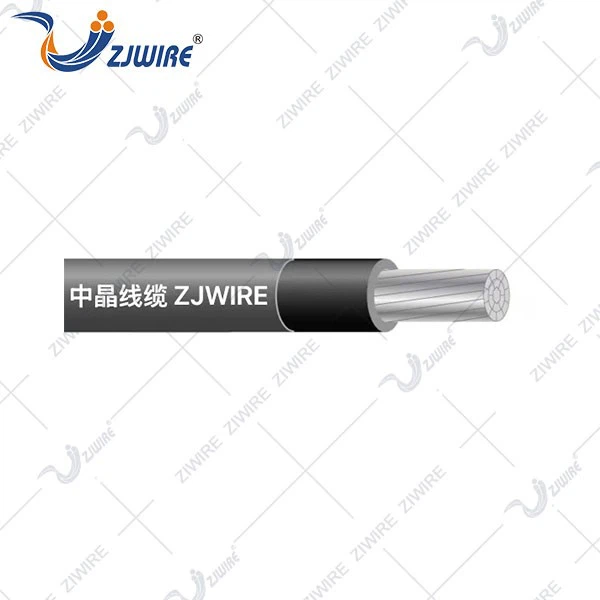
Plastic insulated copper wire consists of a copper conductor surrounded by a layer of plastic insulation. Copper is an excellent conductor of electricity, known for its low resistance and high conductivity. The plastic insulation serves multiple purposes, including protecting the conductor from environmental factors, preventing electrical leakage, and providing mechanical support.
There are various types of plastic insulation used in copper wire, each with its own unique properties and applications. Some common types include THW2 [THW2], THHN/THWN/THWN - 2 [THHN/THWN/THWN - 2], and TW/THW/THW 2 [TW/THW/THW 2]. These insulation types are designed to meet different temperature ratings, moisture resistance requirements, and installation conditions.
The Importance of Heat Dissipation
When an electric current flows through a copper wire, it encounters resistance. According to Joule's law, this resistance causes the wire to generate heat. If the heat is not dissipated effectively, it can lead to several problems.

Firstly, excessive heat can cause the insulation to degrade over time. As the temperature of the insulation rises, its mechanical and electrical properties can change, reducing its effectiveness in protecting the conductor. This can increase the risk of electrical shorts, fires, and other safety hazards.
Secondly, high temperatures can also affect the performance of the electrical system. The resistance of copper increases with temperature, which means that as the wire heats up, the power loss in the wire also increases. This can lead to reduced efficiency, higher energy consumption, and potentially overheating of other components in the system.
Factors Affecting Heat Dissipation
Several factors influence the heat dissipation performance of plastic insulated copper wire.
Conductor Size
The size of the copper conductor plays a significant role in heat dissipation. Larger conductors have lower resistance, which means they generate less heat for a given current. Additionally, larger conductors have a greater surface area, which allows for more efficient heat transfer to the surrounding environment.
Insulation Material
The type of plastic insulation used can affect heat dissipation. Some insulation materials have better thermal conductivity than others, which means they can transfer heat away from the conductor more effectively. For example, certain high - temperature insulation materials are designed to withstand elevated temperatures and dissipate heat efficiently.
Installation Conditions
The way the wire is installed also impacts heat dissipation. Wires that are installed in well - ventilated areas can dissipate heat more easily than those installed in enclosed spaces. Similarly, wires that are bundled together can trap heat, reducing their ability to dissipate it effectively.
Ambient Temperature
The temperature of the surrounding environment affects the heat dissipation of the wire. In hot environments, the temperature difference between the wire and the surroundings is smaller, which makes it more difficult for the wire to transfer heat. This can lead to higher operating temperatures and increased risks.
Measuring Heat Dissipation
To assess the heat dissipation performance of plastic insulated copper wire, several methods can be used.
Temperature Rise Testing
This involves measuring the temperature of the wire under a specific load and comparing it to the ambient temperature. A lower temperature rise indicates better heat dissipation. Temperature sensors can be placed on the wire to monitor its temperature during the test.
Thermal Resistance Calculation
Thermal resistance is a measure of how well a material resists the flow of heat. By calculating the thermal resistance of the insulation and the conductor, we can estimate how effectively the wire can dissipate heat.
Improving Heat Dissipation
There are several strategies to improve the heat dissipation performance of plastic insulated copper wire.
Selecting the Right Conductor Size
Choosing a conductor size that is appropriate for the expected current load is crucial. Oversized conductors can be more expensive, but they can also reduce heat generation and improve heat dissipation.
Using High - Performance Insulation
Selecting insulation materials with good thermal conductivity can enhance heat transfer. Some advanced insulation materials are specifically designed to improve heat dissipation in high - temperature applications.
Proper Installation
Ensuring proper installation of the wire is essential. This includes providing adequate ventilation, avoiding over - bundling of wires, and following the manufacturer's installation guidelines.
Real - World Applications
In many real - world applications, the heat dissipation performance of plastic insulated copper wire is of utmost importance.
Residential Electrical Systems
In homes, electrical wiring is used to power various appliances and devices. Good heat dissipation ensures the safety and reliability of the electrical system, preventing overheating and potential fires.
Industrial Applications
In industrial settings, where high - power equipment is used, the heat dissipation of wiring is critical. Large motors, generators, and other machinery require wires that can handle high currents without overheating.
Automotive Industry
In vehicles, electrical systems are becoming increasingly complex. Plastic insulated copper wire is used for various functions, from powering the engine control unit to lighting and entertainment systems. Effective heat dissipation is necessary to ensure the proper functioning of these systems.
Conclusion
The heat dissipation performance of plastic insulated copper wire is a critical factor in the safety, efficiency, and reliability of electrical systems. As a supplier, we understand the importance of providing high - quality wire that meets the specific heat dissipation requirements of different applications.
If you are in need of plastic insulated copper wire and want to discuss your specific requirements, we are here to help. Our team of experts can provide you with detailed information about the heat dissipation performance of our products and assist you in selecting the right wire for your project. Whether it's for a small residential installation or a large - scale industrial application, we have the solutions to meet your needs. Contact us today to start a conversation about your procurement needs.
References
- Electrical Wiring Handbook, various editions
- Standards and guidelines from relevant electrical industry organizations
- Research papers on the thermal properties of plastic insulation materials


