


As a supplier of European standard cables, I've often gotten questions from customers about how long these cables can actually last. It's a super important question, since figuring out the lifespan of a cable helps in planning maintenance, making sure things are safe, and budgeting. So, let's dig into what affects the lifespan of European standard cables and how you can get the most out of them.
Factors Affecting the Lifespan of European Standard Cables
1. Material Quality
The first and probably most crucial factor is the quality of the materials used in the cable. High - quality European standard cables are made with top - notch conductors and insulating materials. For instance, the copper conductors used should have high conductivity and low resistance. Good insulation materials, like cross - linked polyethylene (XLPE) or PVC, protect the conductors from external factors. Cheaper cables might use lower - grade materials, which can lead to a much shorter lifespan. They're more likely to degrade faster, especially when exposed to heat, moisture, or chemicals.
2. Operating Conditions
The environment where the cable operates plays a huge role. If a cable is used in a place with extreme temperatures, it can take a toll on the cable's materials. High temperatures can cause the insulation to become brittle and crack, while very low temperatures can make the cable less flexible. Humidity is another big deal. Moisture can seep into the insulation, leading to corrosion of the conductors and a breakdown of the insulation.
Let's take the H07V - K Fine - stranded flexible conductor (Class 5) as an example. This cable is often used in indoor and outdoor applications. If it's installed in a damp basement or outdoors in a constantly wet environment without proper protection, its lifespan will be significantly reduced compared to if it's used in a dry, temperature - controlled environment.
3. Electrical Load
The amount of electrical current the cable is carrying matters a lot. Overloading a cable means it has to handle more current than it's designed for. This causes the cable to heat up, and excessive heat can damage the insulation and conductors over time. For example, if you use a cable that's rated for a lower current to power a high - power device, it's like asking a small car to tow a big truck. The cable will struggle, and its lifespan will be cut short.
4. Mechanical Stress
Cables can also be damaged by mechanical stress. This includes bending, twisting, and pulling. If a cable is bent too sharply, the internal conductors can break, and the insulation can crack. In industrial settings, cables are often moved around and subject to mechanical forces. Cables that are constantly being flexed, like those used in moving machinery, need to be more durable. The H05V - F Class 5 Flexible Cord Conductor is designed to withstand some degree of flexing, but excessive or improper handling can still reduce its lifespan.
General Lifespan Expectations
On average, European standard cables can last anywhere from 10 to 30 years. However, this is a very broad range, and the actual lifespan depends on the factors we've just discussed.
For cables used in more stable, low - stress environments, like in a typical office building for powering lights and small appliances, they can easily last 20 to 30 years. The operating conditions are relatively mild, with stable temperatures and low electrical loads.
On the other hand, cables in harsh industrial environments, such as mines or chemical plants, may have a lifespan of only 10 to 15 years. These places have high temperatures, moisture, chemicals, and mechanical stress, all of which work against the cable's longevity.
Extending the Lifespan of European Standard Cables
1. Proper Installation
Making sure the cable is installed correctly is key. This means using the right tools and following the installation guidelines. The cable should be routed in a way that minimizes bending and stress. It should also be protected from sharp edges that could damage the insulation.
2. Regular Inspections
Regularly checking the cables for any signs of wear and tear can help catch problems early. Look for cracks in the insulation, exposed conductors, or any signs of overheating. If you notice any issues, you can fix them before they turn into bigger problems.
3. Avoid Overloading
Always use cables that are rated for the correct electrical load. If you need to power a high - power device, make sure you choose a cable that can handle the current. This will prevent overheating and damage to the cable.

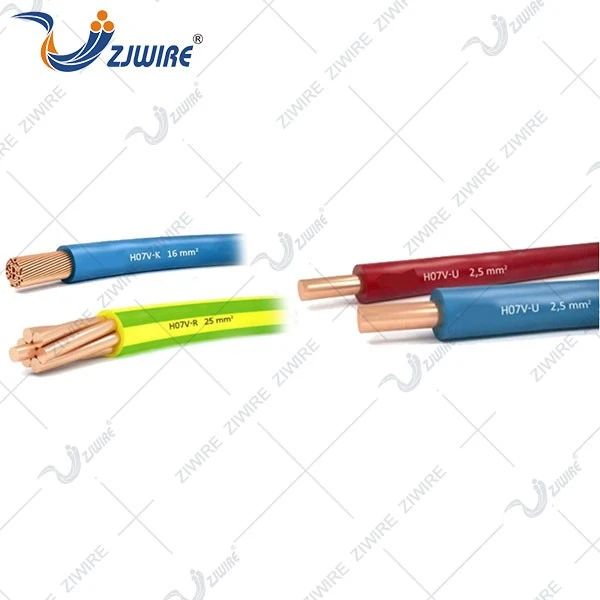
Examples of European Standard Cables and Their Applications
H05VV - F
This cable is often used for powering domestic appliances, such as refrigerators and washing machines. It has a relatively simple design and is suitable for indoor use in normal operating conditions. When used correctly, it can have a lifespan of around 15 - 25 years.
H05RR - F Cable
This flexible cable is typically used for portable electrical equipment. It can withstand some degree of movement and bending. However, because it's often moved around, it may need to be replaced more frequently compared to cables in fixed installations. A well - maintained H05RR - F cable can last about 10 - 20 years.
H07VVH2 - F
This cable is designed for more heavy - duty applications, such as in industrial machinery or outdoor lighting systems. It's more robust and can handle higher electrical loads and more challenging environments. With proper care, it can last 15 - 30 years.
Conclusion
The lifespan of European standard cables can vary widely based on material quality, operating conditions, electrical load, and mechanical stress. By understanding these factors and taking steps to extend the cable's lifespan, you can get the most out of your investment.
If you're in the market for high - quality European standard cables, we're here to help. We've got a wide range of cables to meet your specific needs. Whether you need a cable for a small domestic appliance or a large industrial project, we can provide the right solution. Contact us to start a discussion about your cable requirements and let's work together to find the perfect cable for your application.


