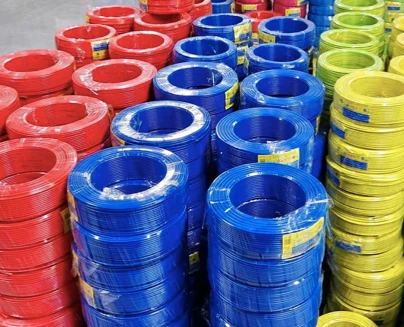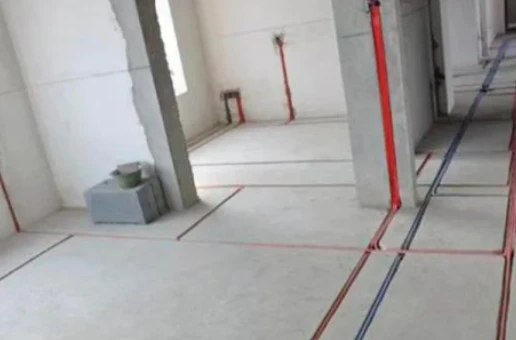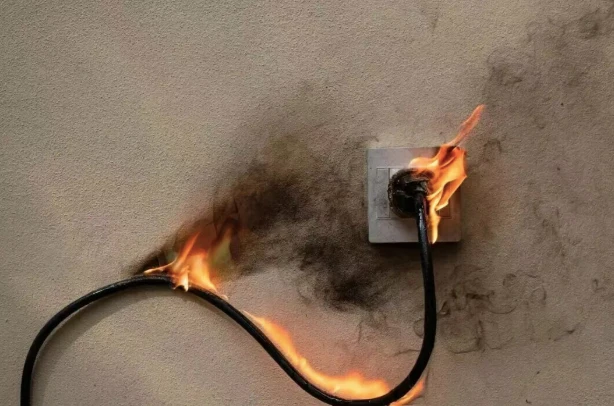
Electrical fires are the most common fire hazards in households, commercial buildings, and old residential areas. And the aging of wires is the number one "invisible killer" that triggers such fires. Why do wires "age"?
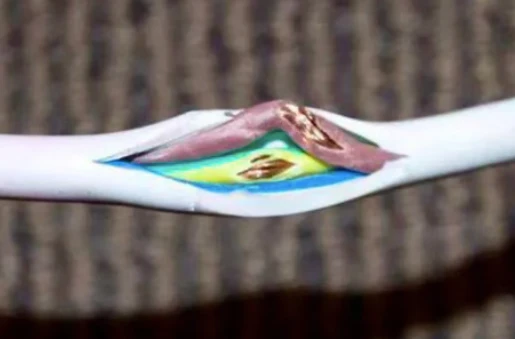
Wire aging refers to the deterioration of the outer insulation and protective materials of the wire. Over time, due to exposure to sunlight, temperature changes, electrical loads, and even corrosive gases, these materials gradually become brittle and crack, eventually losing their insulation and protective functions. As the insulation deteriorates, a short circuit is imminent. Especially in humid weather, moisture in the air can easily invade the cracks in the insulation layer, causing the internal metal wire to short circuit. The instantaneous high-temperature electric sparks generated can be sufficient to ignite nearby combustible materials. Excessive load and overheating can cause spontaneous combustion. As more high-power electrical appliances such as air conditioners and electric heaters are used in the home, the aging wires, due to increased resistance, will overheat under high loads and accumulate heat that does not dissipate, eventually leading to spontaneous combustion.
Brand Quality Service