Many people shopping for mineral-insulated cables tend to assume one thing right away: the name "mineral-insulated" means the cable cannot burn, so it can be installed outdoors with no extra protection. This assumption is wrong. In real engineering design, a cable cannot be classified as non-combustible simply based on its name or marketing claims. Its combustion rating is confirmed only after passing specified fire performance tests. Under existing standards, only cables reaching Class A performance qualify as non-combustible. Whether a cable can be installed in direct exposure must be judged case by case.
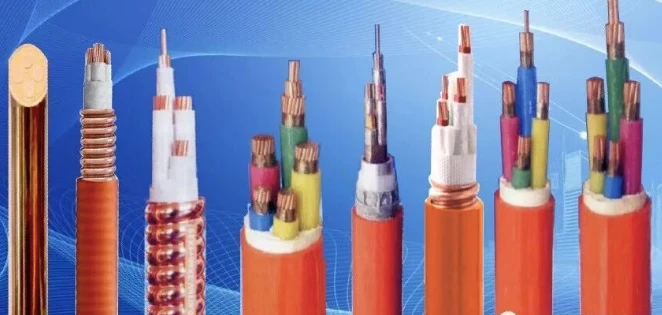
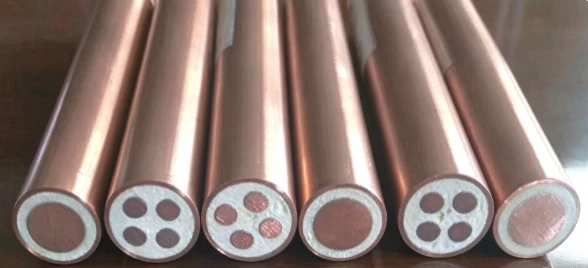
So why does "mineral-insulated" not automatically equal "non-combustible"? Classic mineral-insulated cables consist of copper conductors, magnesium oxide insulation and copper sheathing. There is no plastic between conductor and sheath; insulation relies entirely on inorganic materials, which makes the cable inherently non-combustible in terms of construction. But today's commercially available mineral-insulated cables come in multiple designs. Some are fitted with outer plastic jackets, some incorporate plastic films, while others replace the organic binders within mica tapes with alternative materials. Even though these products share a similar name, their material compositions differ greatly.
This brings up a frequently missed point: organic ingredients present in a cable can compromise its fire resistance. Per GB 31247, Classification of Combustion Performance for Electric and Optical Cables, a Class A fire rating requires all materials making up the cable to deliver total heat release no higher than 2.0 MJ/kg. Put another way, the "non-combustible" rating comes from full-scale testing of the finished cable assembly. It cannot be assumed just because one component is claimed to be inorganic. Mineral insulation refers to a cable's material and structural category. By contrast, a non-combustible cable is a designation earned through fire testing. These two descriptions cannot be treated as identical.