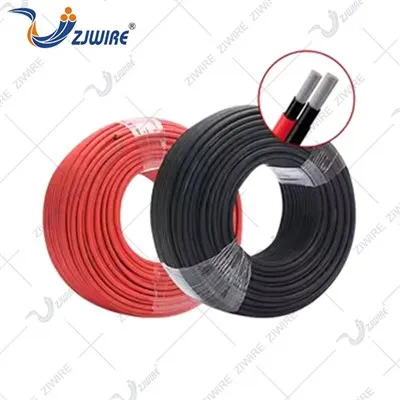
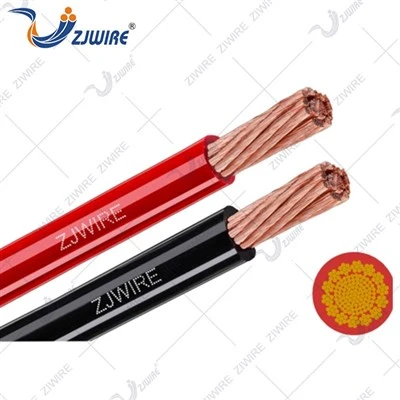
Using an audio/video cable in a humid environment can pose several issues that both consumers and professionals in the AV industry should be aware of. As an audio/video cable supplier, I've encountered many scenarios where humidity has affected the performance and longevity of our cables. In this blog, I'll delve into these problems, explain the underlying scientific principles, and offer some solutions to mitigate the risks.
Impact on Electrical Conductivity
One of the primary concerns when using audio/video cables in a humid environment is the effect on electrical conductivity. Water is a conductor of electricity, and when it comes into contact with the conductive parts of a cable, such as the copper wires inside, it can cause a short - circuit or interference.
In a normal, dry environment, the electrical signals travel through the cable's conductors with minimal resistance. However, when moisture accumulates on the surface of the conductors or seeps into the cable insulation, it can create alternative paths for the electrical current. This results in signal loss, distortion, and a decrease in the overall quality of the audio or video transmission.
For example, in a home theater system, if the HDMI cable is exposed to high humidity, you might notice pixelation on the screen or a loss of audio clarity. The same goes for Network Cable used in a network - connected AV setup. Humidity can disrupt the data transfer, leading to slower speeds and intermittent connectivity.
Corrosion of Cable Components
Another significant issue is corrosion. Metals, especially copper, which is commonly used in audio/video cables, are prone to corrosion when exposed to moisture and oxygen. Corrosion occurs when the metal reacts with the water and oxygen in the air to form metal oxides.
Over time, the corrosion can eat away at the conductors, reducing their cross - sectional area. This increases the resistance of the cable, further degrading the signal quality. In extreme cases, the corrosion can cause the conductors to break, rendering the cable useless.
Our Red And Black Audio Cable, which often has exposed metal connectors, is particularly vulnerable to corrosion in a humid environment. The connectors may start to turn green or develop a powdery substance, indicating the presence of copper oxide. This not only affects the electrical connection but also makes it difficult to insert or remove the cable from the devices.
Damage to Cable Insulation
The insulation of audio/video cables is designed to protect the conductors from external interference and prevent electrical leakage. However, humidity can have a detrimental effect on the insulation material.
Many cable insulations are made of polymers, which can absorb water over time. When the insulation absorbs moisture, its dielectric properties change. This can lead to an increase in capacitance, which in turn affects the impedance of the cable. Impedance matching is crucial for proper signal transmission, and any deviation can result in signal reflections and loss.
For instance, in Transparent Cable, where the insulation is often more visible, you may notice a change in its appearance when exposed to humidity. It might become cloudy or develop small bubbles, indicating that the moisture has penetrated the material.
Mold and Mildew Growth
Humid environments are a breeding ground for mold and mildew. These fungi can grow on the surface of audio/video cables, especially in areas where there is poor ventilation.
Mold and mildew not only look unsightly but can also cause physical damage to the cable. They can break down the insulation material, making it more brittle and prone to cracking. In addition, the presence of mold can release spores into the air, which can be a health hazard, especially for people with allergies or respiratory problems.
Solutions to Mitigate the Risks
While using audio/video cables in a humid environment presents challenges, there are several steps that can be taken to minimize the impact.


Choose the Right Cable
When selecting cables for a humid environment, look for those that are specifically designed to be moisture - resistant. Some cables come with a waterproof or water - repellent coating on the insulation, which can help prevent moisture from seeping in. Additionally, cables with corrosion - resistant connectors, such as gold - plated connectors, can provide better protection against corrosion.
Proper Installation
Proper installation is crucial to protect cables from humidity. Make sure that cables are installed in areas with good ventilation to prevent the accumulation of moisture. Avoid running cables through areas where there is a high risk of water exposure, such as near leaky pipes or in basements prone to flooding.
Use Cable Management Systems
Cable management systems, such as cable trays and conduits, can provide an extra layer of protection for audio/video cables. These systems can keep the cables organized and shielded from direct contact with moisture.
Regular Maintenance
Regular maintenance is essential to ensure the longevity of audio/video cables in a humid environment. Inspect the cables periodically for signs of damage, corrosion, or mold growth. Clean the connectors with a dry cloth to remove any moisture or debris. If you notice any problems, replace the cable immediately to avoid further damage to your AV equipment.
Conclusion
Using audio/video cables in a humid environment can lead to a variety of issues, including reduced electrical conductivity, corrosion, damage to insulation, and mold growth. However, by understanding these problems and taking appropriate measures, such as choosing the right cable, proper installation, using cable management systems, and regular maintenance, these risks can be effectively mitigated.
As an audio/video cable supplier, we are committed to providing high - quality cables that can withstand various environmental conditions. If you have any questions about our products or need advice on using audio/video cables in a humid environment, please don't hesitate to contact us for a procurement discussion. We are here to help you find the best solutions for your AV needs.
References
- "Electrical Properties of Materials" by Charles Kittel
- "Corrosion Science and Engineering" by David A. Jones
- "Polymer Science: A Comprehensive Reference" edited by Martyn P. Stevens