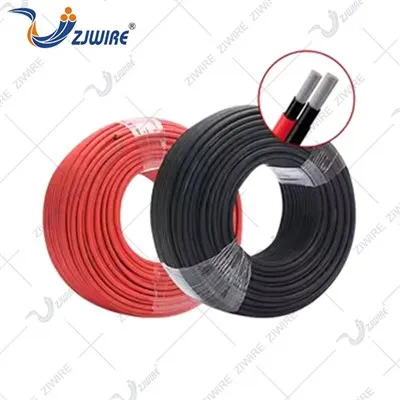
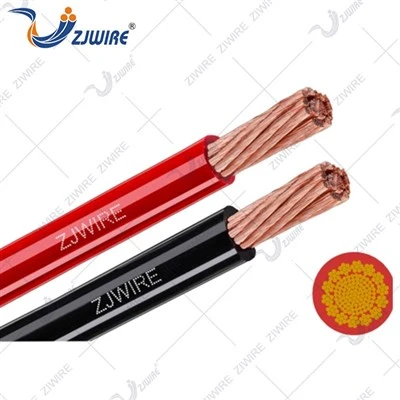
Hey there! As a supplier of PVC insulated nylon sheathed cable, I've been getting a lot of questions lately about the limitations of this type of cable. So, I thought I'd take a few minutes to share some insights on this topic.
First off, let's talk about what PVC insulated nylon sheathed cable is. It's a type of electrical cable that consists of a copper or aluminum conductor, insulated with polyvinyl chloride (PVC), and then covered with a nylon sheath. This combination offers several advantages, such as good electrical insulation, flexibility, and resistance to abrasion, moisture, and chemicals. That's why it's widely used in various applications, including automotive, industrial, and household electrical systems.
However, like any other product, PVC insulated nylon sheathed cable also has its limitations. One of the main limitations is its temperature resistance. PVC has a relatively low melting point, typically around 100 - 150°C. This means that in high - temperature environments, the PVC insulation can start to soften, deform, or even melt. If the cable is exposed to excessive heat for a prolonged period, it can lead to electrical shorts, insulation breakdown, and potentially pose a fire hazard. For example, in some industrial furnaces or near engines with high heat output, PVC insulated nylon sheathed cable might not be the best choice.
Another limitation is its resistance to ultraviolet (UV) radiation. When exposed to direct sunlight or other sources of UV light over an extended time, the PVC insulation and nylon sheath can degrade. The UV rays can break down the chemical bonds in the materials, causing them to become brittle, crack, and lose their protective properties. This is a significant issue for outdoor applications, like in solar power systems or outdoor lighting installations. If you're planning to use PVC insulated nylon sheathed cable outdoors, you'll need to take extra precautions, such as installing it in conduit or using UV - resistant coatings.
Flammability is also a concern. While PVC is self - extinguishing to some extent, it can release toxic fumes and smoke when it burns. In enclosed spaces or areas where fire safety is a top priority, such as in buildings, hospitals, or airplanes, the use of PVC insulated nylon sheathed cable might be restricted. There are other types of cables with better fire - resistant properties that are preferred in these situations.
In terms of mechanical strength, although the nylon sheath provides some protection against abrasion, it may not be sufficient for extremely harsh environments. In applications where the cable is subjected to heavy mechanical stress, such as in mining operations or construction sites with rough handling, the sheath can be damaged easily. Once the sheath is compromised, the underlying PVC insulation is exposed, increasing the risk of electrical faults.
It's also worth mentioning the high - frequency performance. PVC insulated nylon sheathed cable is not ideal for high - frequency applications. The dielectric properties of PVC can cause signal attenuation and interference at high frequencies, which can affect the quality of data transmission. So, for applications like high - speed data networks or radio frequency systems, other types of cables, such as coaxial cables or fiber - optic cables, are usually more suitable.
But don't get me wrong. Despite these limitations, PVC insulated nylon sheathed cable still has its place in the market. It's cost - effective, easy to install, and suitable for many general - purpose applications. And if you understand its limitations, you can use it appropriately.
For example, if you're looking for a cable for a low - voltage, indoor electrical circuit in a home or a small office, PVC insulated nylon sheathed cable can be a great option. Just make sure to keep it away from heat sources and areas with high UV exposure.

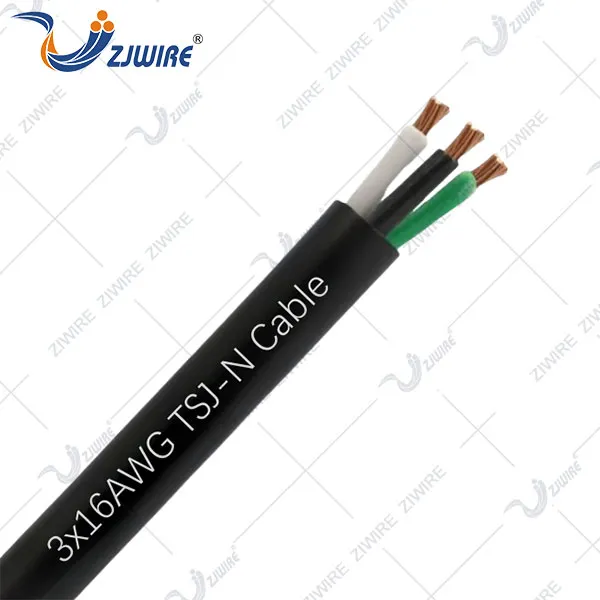
If you're interested in specific types of cables, we also supply UL3512 Cable, UL2587 Cable, and TSJ Cable. These cables are designed to meet specific industry standards and can be used in various specialized applications.
If you're in the market for PVC insulated nylon sheathed cable or any of the other cables I mentioned, I'd love to have a chat with you. We can discuss your specific needs, and I'll do my best to find the right cable solution for you. Whether it's for a small DIY project or a large - scale industrial installation, we've got you covered.
In conclusion, while PVC insulated nylon sheathed cable has some limitations, it's still a versatile and useful product. By understanding its drawbacks and using it within its appropriate application range, you can make the most of its benefits. So, don't hesitate to reach out if you have any questions or need help with your cable requirements.
References
- Electrical Cable Handbook
- Standards and Guidelines for PVC Insulated Cables
- Industry - specific Studies on Cable Performance