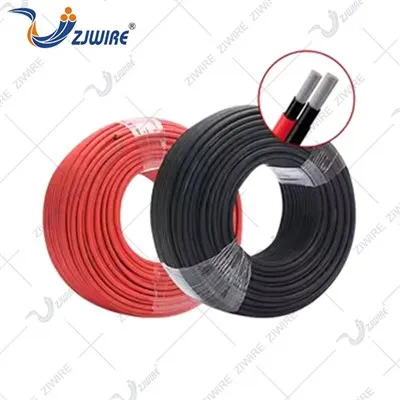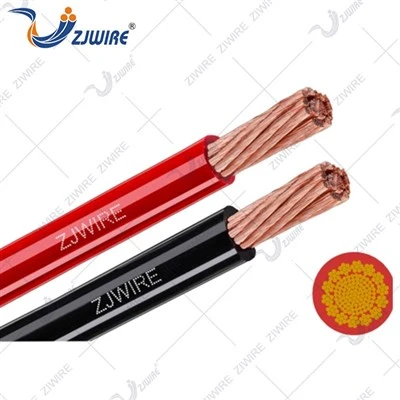
Hey there! As a supplier of audio/video cables, I often get asked about safety concerns when using these cables. It's a valid question, especially considering how integral these cables are to our daily lives, whether it's for home entertainment systems, professional audio setups, or even in educational institutions. So, let's dive right in and explore if there are any safety issues you should be worried about.
First off, let's talk about the most common types of audio/video cables. We've got the Audio Cable, which is used to transmit sound from one device to another. Then there's the HDMI Cable, a real game - changer in the world of high - definition audio and video transmission. And for those who like a bit of style, the Transparent Cable not only looks cool but also does its job well.
Electrical Safety
One of the primary concerns people have is electrical safety. Audio/video cables are designed to carry low - voltage signals. Unlike high - voltage electrical wires in your home's electrical system, the risk of electric shock from these cables is extremely low. However, that doesn't mean you can be completely careless.
If a cable is damaged, say the outer insulation is frayed or the connectors are bent, there's a possibility of short - circuits. A short - circuit can cause the cable to overheat, and in rare cases, it might even lead to a fire. This is why it's crucial to regularly inspect your cables for any signs of wear and tear. If you notice a damaged cable, it's best to replace it immediately.
Another thing to keep in mind is the power source. Some audio/video devices require external power, and if the cable is connected to a faulty power supply, it can cause problems. Always make sure you're using a reliable power source and that the power ratings of your devices and cables are compatible.
Physical Safety
Physical safety is also a factor. Tripping over loose cables is a common hazard, especially in areas with a lot of foot traffic. I've seen it happen in offices and home theaters alike. People can easily catch their feet on a cable lying on the floor, which can lead to falls and injuries. To avoid this, you can use cable management solutions like cable ties, cable clips, or cable channels. These will keep your cables organized and out of the way.
Also, when you're installing cables, be careful not to pinch them between furniture or other objects. Pinched cables can damage the internal wires, leading to signal loss or, as mentioned earlier, potential short - circuits.


Signal Interference and Safety
Signal interference might not seem like a safety concern at first glance, but it can have indirect safety implications. For example, in a professional audio setup, if there's a lot of interference in the audio cable, it can cause distorted sound. In a public address system, this can lead to misunderstandings, especially in emergency situations where clear communication is crucial.
Similarly, in a video setup, interference in the HDMI cable can result in a poor - quality picture. In a security monitoring system, a blurry or pixelated image can make it difficult to identify potential threats. To minimize signal interference, you should keep your audio/video cables away from other electrical devices that generate electromagnetic fields, such as motors, transformers, and fluorescent lights.
Chemical Safety
The materials used in audio/video cables can also be a source of concern. Some older cables may contain harmful chemicals like lead, which was once commonly used in cable insulation. Lead is a toxic substance that can cause serious health problems, especially in children. However, modern cables are usually manufactured in compliance with environmental regulations, and the use of lead and other hazardous substances is strictly limited.
When you're buying audio/video cables, make sure to choose products from reputable suppliers. Reputable suppliers will often provide information about the materials used in their cables and whether they comply with relevant safety standards.
Quality and Safety
The quality of the cable you choose plays a big role in safety. Cheaper, low - quality cables may not be as well - insulated or may have inferior connectors. This can increase the risk of electrical problems, signal interference, and physical damage.
As a supplier, I always recommend investing in high - quality cables. Yes, they may cost a bit more upfront, but they'll last longer and provide a safer and more reliable performance. High - quality cables are usually made with better materials and are tested to meet strict safety and performance standards.
Testing and Certification
Most reliable audio/video cable manufacturers test their products to ensure they meet safety standards. Look for cables that have been certified by recognized organizations. For example, cables with UL (Underwriters Laboratories) certification have been tested for safety and compliance with specific standards. This certification gives you an extra layer of assurance that the cable is safe to use.
Conclusion
So, are there any safety concerns when using audio/video cables? Well, there are some potential risks, but with proper care and the right choice of cables, these risks can be minimized. Regularly inspect your cables for damage, use proper cable management, choose high - quality and certified products, and keep them away from sources of interference and physical damage.
If you're in the market for audio/video cables, whether it's for a new home theater system, a professional audio setup, or just to replace some old cables, I'd love to help. As a supplier, I can offer you a wide range of high - quality cables that meet all the necessary safety standards. Feel free to reach out to discuss your requirements and get the best cables for your needs.
References
- Electrical Safety Standards Handbook
- Consumer Electronics Safety Guidelines
- Cable Manufacturing and Safety Regulations