Hey there! As a supplier of single core PVC insulated cables, I often get asked if these cables can be used in medical equipment applications. It's a super important question, and I'm here to break it down for you.
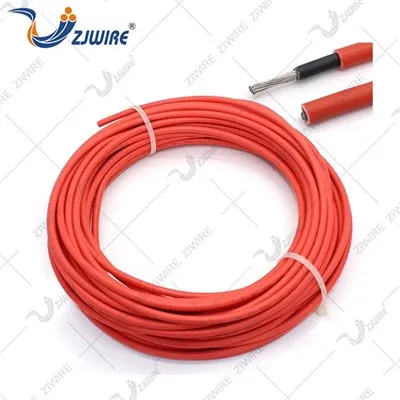
First off, let's talk about what single core PVC insulated cables are. These cables have a single conductor covered with a PVC (polyvinyl chloride) insulation layer. PVC is a widely used material in the cable industry because it's cost - effective, flexible, and offers good electrical insulation properties.
Now, when it comes to medical equipment, the requirements are pretty strict. Medical devices need to meet high - quality and safety standards to ensure patient safety. There are a few factors we need to consider when deciding if a single core PVC insulated cable can be used in this context.
Electrical Performance
Medical equipment often requires stable and reliable electrical performance. Single core PVC insulated cables can offer a decent level of electrical insulation. They can handle a certain amount of voltage and current without significant leakage. However, in some high - precision medical devices, the electrical characteristics need to be extremely precise. For example, in electro - medical equipment like electrocardiographs or MRI machines, even the slightest electrical interference can affect the accuracy of the readings.
Single core PVC cables may have limitations in terms of electromagnetic interference (EMI) shielding. EMI can be a big problem in medical settings as it can disrupt the normal operation of sensitive medical equipment. To combat this, some medical applications may require cables with better shielding capabilities. But, for less sensitive medical devices such as simple medical lighting or some basic monitoring equipment, single core PVC insulated cables can work just fine.
Safety and Durability
Safety is the number one priority in medical applications. PVC insulation has some fire - resistant properties, but in a medical environment, where there may be oxygen - rich atmospheres, the fire safety requirements are even more stringent. There are special fire - resistant PVC formulations available that can meet these higher standards.
Durability is also crucial. Medical equipment may be moved around, bent, or flexed frequently. Single core PVC insulated cables need to be able to withstand these mechanical stresses without damage. They should have good resistance to abrasion, chemicals, and moisture. Some medical environments, like operating rooms or laboratories, may expose the cables to various chemicals and cleaning agents. PVC is generally resistant to many common chemicals, but it's important to choose the right type of PVC insulation based on the specific chemical exposure in the medical setting.
Compatibility with Medical Standards
Medical equipment must comply with various international standards such as IEC 60601. These standards cover aspects like electrical safety, mechanical safety, and electromagnetic compatibility. When using single core PVC insulated cables in medical applications, it's essential to ensure that the cables meet these standards.
Some medical device manufacturers may have their own internal standards as well. As a cable supplier, we need to work closely with these manufacturers to ensure that our cables can be integrated into their products while meeting all the necessary requirements.
Examples of Single Core PVC Cables Suitable for Medical Use
There are different types of single core PVC cables that can be considered for medical applications. For instance, the H07VV - F is a popular choice. It's a European standard cable with good electrical and mechanical properties. It's flexible and can be used in a variety of medical equipment where moderate electrical performance and durability are required.
Another option is the H07V2 - K Cable. This cable is known for its enhanced mechanical strength and can withstand more rigorous handling. It may be suitable for medical equipment that is subject to frequent movement or vibration.
The NH RVV Cable is also worth mentioning. It has fire - resistant properties, which is a significant advantage in medical settings. This cable can be used in applications where fire safety is a major concern.
Conclusion
So, can a single core PVC insulated cable be used in a medical equipment application? The answer is yes, but with some caveats. For less sensitive medical devices with moderate electrical and mechanical requirements, single core PVC insulated cables can be a cost - effective and practical choice. However, for high - precision and high - risk medical applications, additional considerations such as EMI shielding, fire safety, and compliance with strict standards are necessary.


If you're in the medical equipment manufacturing business and are looking for single core PVC insulated cables, I'd love to have a chat with you. We can discuss your specific requirements and see how our cables can fit into your products. Whether it's a simple lighting system or a more complex monitoring device, we have the expertise to provide you with the right cable solutions.