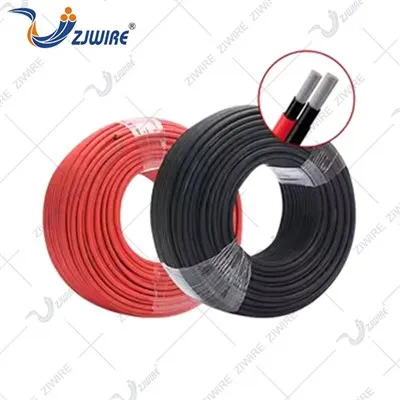
When it comes to high - frequency applications, choosing the right cable is crucial. As a supplier of European standard cables, I often get asked whether these cables can be used for high - frequency scenarios. In this blog, I'll delve into the technical aspects, advantages, limitations, and real - world applications of using European standard cables in high - frequency situations.
Technical Characteristics of European Standard Cables
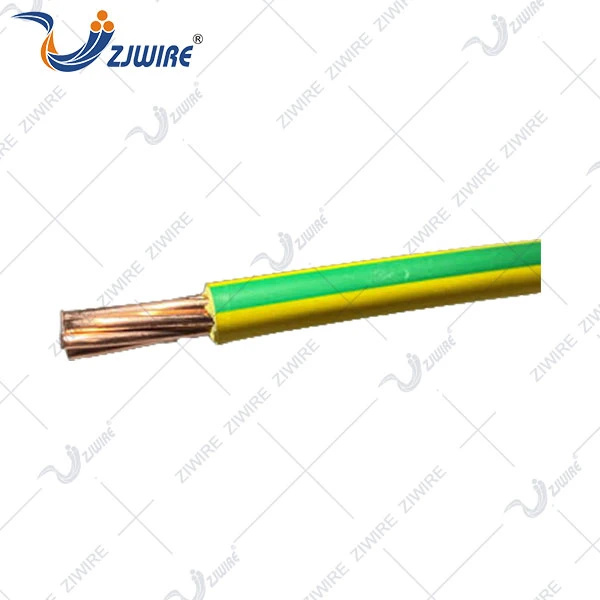
European standard cables are designed and manufactured according to a set of strict regulations and norms. Some of the well - known European standard cables include H07VV - F, H07V - R, and H03VVH2 - F. These cables are built to meet specific electrical, mechanical, and environmental requirements.
In terms of electrical properties, European standard cables typically have well - defined insulation resistance, capacitance, and impedance characteristics. The insulation materials used in these cables are chosen for their ability to provide good electrical isolation and minimize signal loss. For example, the insulation of H07VV - F cable is made of PVC (Polyvinyl Chloride), which offers a certain level of dielectric strength and stability at normal operating frequencies.
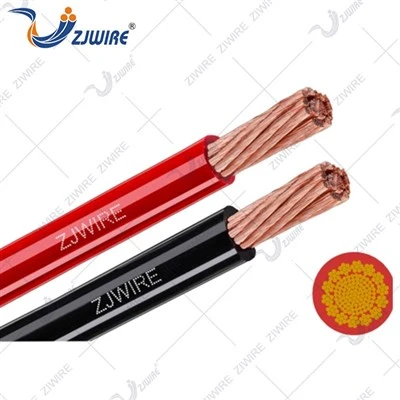
However, high - frequency applications demand more from cables. At high frequencies, the skin effect becomes more prominent. The skin effect causes the current to flow mainly near the surface of the conductor, increasing the effective resistance of the cable. European standard cables are usually designed with solid or stranded conductors. Solid conductors are more suitable for low - frequency applications as they have lower resistance at low frequencies. Stranded conductors, on the other hand, can provide some advantages in high - frequency applications as they increase the surface area of the conductor, reducing the impact of the skin effect to some extent.
Advantages of Using European Standard Cables in High - Frequency Applications
One of the main advantages of European standard cables is their high - quality manufacturing process. These cables are produced under strict quality control, which ensures consistent performance. The materials used in European standard cables are carefully selected and tested to meet specific standards. This means that in high - frequency applications, the cables are less likely to experience sudden failures or performance degradation.
Another advantage is the wide range of available cable types. European standard cables come in various sizes, configurations, and insulation materials. This allows engineers to choose the most suitable cable for their specific high - frequency application. For instance, if an application requires a cable with high flexibility, the H07V - R cable, which is designed for flexible use, can be a good option.
European standard cables also offer good mechanical protection. They are often designed to withstand harsh environmental conditions, such as temperature variations, moisture, and mechanical stress. In high - frequency applications where the cables may be installed in challenging environments, this mechanical robustness can be a significant advantage.

Limitations of European Standard Cables in High - Frequency Applications
Despite their many advantages, European standard cables also have some limitations when it comes to high - frequency applications. One of the main limitations is the relatively high attenuation at high frequencies. Attenuation refers to the loss of signal strength as it travels through the cable. European standard cables, especially those designed for general - purpose use, may not have the low - attenuation characteristics required for very high - frequency applications.
The impedance characteristics of European standard cables may also not be optimized for high - frequency signals. In high - frequency circuits, impedance matching is crucial to ensure maximum power transfer and minimize signal reflections. If the cable's impedance does not match the impedance of the source and load, significant signal losses can occur.
Another limitation is the susceptibility to electromagnetic interference (EMI). High - frequency signals are more prone to interference from external sources. European standard cables may not have sufficient shielding to protect the high - frequency signals from EMI, especially in environments with high levels of electromagnetic noise.
Real - World Applications and Case Studies
In some real - world high - frequency applications, European standard cables can be used with certain modifications or in less demanding scenarios. For example, in some industrial automation systems where the high - frequency signals are in the range of a few megahertz, European standard cables can provide a cost - effective solution.
Let's consider a case study of a small - scale radio communication system. The system operates at a frequency of around 10 MHz. The engineers initially considered using specialized high - frequency cables, but due to budget constraints, they decided to test European standard cables. They chose the H03VVH2 - F cable, which has a relatively thin insulation and good flexibility. After some adjustments to the system, such as adding external shielding to reduce EMI, the European standard cable was able to meet the basic requirements of the radio communication system.
However, in more demanding high - frequency applications, such as microwave communication systems operating at frequencies above 1 GHz, European standard cables may not be suitable without significant modifications. In these cases, specialized high - frequency cables with low attenuation, precise impedance control, and high - quality shielding are usually required.
Conclusion and Call to Action
In conclusion, European standard cables can be used in high - frequency applications, but their suitability depends on the specific requirements of the application. In less demanding high - frequency scenarios, with proper modifications and considerations, these cables can offer a cost - effective and reliable solution. However, in very high - frequency and critical applications, specialized high - frequency cables may be necessary.
If you are considering using European standard cables for your high - frequency applications, I encourage you to contact us for more detailed information. Our team of experts can help you choose the most suitable cable type, provide technical support, and offer solutions to overcome any challenges you may face. We have a wide range of European standard cables in stock and can also customize cables according to your specific needs.
References
- "Electrical Engineering Handbook" by Richard C. Dorf
- "Cable Design and Installation Handbook" by John H. Carr
- European standards related to cable manufacturing, such as EN 50525 series.