


Hey there! As a supplier of PVC insulated copper core wire, I often get asked if this type of wire can be used in marine environments. It's a great question, and one that deserves a detailed answer. So, let's dive right in and explore the ins and outs of using PVC insulated copper core wire at sea.

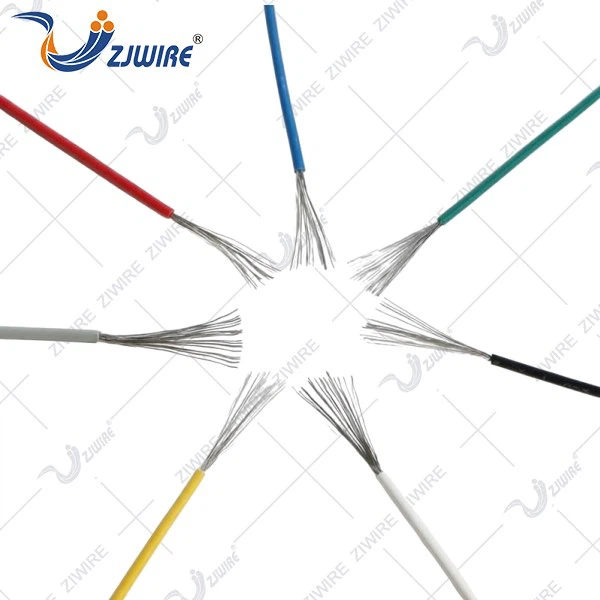
Understanding PVC Insulated Copper Core Wire
First off, let's talk a bit about what PVC insulated copper core wire is. PVC, or polyvinyl chloride, is a type of plastic that's commonly used as insulation for electrical wires. It's popular because it's relatively inexpensive, flexible, and provides a good level of electrical insulation. The copper core, on the other hand, is an excellent conductor of electricity, which means it can efficiently carry electrical current.
This combination of PVC insulation and a copper core makes PVC insulated copper core wire a go - to choice for a wide range of electrical applications, from residential wiring to industrial machinery. But when it comes to the harsh conditions of the marine environment, things get a little more complicated.
The Challenges of Marine Environments
Marine environments are tough on everything, including electrical wires. Here are some of the main challenges:
Saltwater Exposure
Saltwater is highly corrosive. When electrical wires are exposed to saltwater, the salt can react with the metal components, causing corrosion. This can weaken the wire over time, leading to issues like reduced conductivity and even wire breakage.
Humidity and Moisture
The air in marine environments is often saturated with moisture. High humidity levels can cause the insulation to absorb water, which can degrade its performance. Moisture can also lead to the growth of mold and mildew, which can further damage the wire.
Temperature Fluctuations
Marine environments can experience significant temperature changes, from hot sunny days to cold nights. These temperature fluctuations can cause the materials in the wire to expand and contract, putting stress on the insulation and potentially leading to cracks.
Physical Stress
On boats and other marine vessels, wires are often subject to physical stress from vibrations, bending, and tugging. This can cause the insulation to wear down, exposing the copper core and increasing the risk of electrical shorts.
Can PVC Insulated Copper Core Wire Handle It?
Now, the big question: Can PVC insulated copper core wire stand up to these challenges? Well, it depends.
The Good News
PVC insulation does have some properties that make it somewhat suitable for marine use. It's relatively waterproof, so it can provide a degree of protection against moisture. It's also flexible, which means it can withstand some bending and movement without breaking.
However, standard PVC insulated copper core wire isn't specifically designed for the extreme conditions of the marine environment. Over time, the saltwater, humidity, and physical stress can take a toll on it.
The Bad News
The main issue with using standard PVC insulated copper core wire in marine environments is its susceptibility to corrosion and moisture damage. The copper core can corrode when exposed to saltwater, and the PVC insulation can degrade if it absorbs too much moisture.
If the insulation breaks down, it can no longer provide adequate protection for the copper core. This can lead to electrical shorts, which are not only dangerous but can also cause damage to the electrical equipment on the vessel.
Alternatives to Consider
If you're looking for wires to use in a marine environment, there are some better options available. Here are a few:
UL2501 Cable
The UL2501 Cable is designed to meet the specific requirements of marine applications. It's built to resist corrosion, moisture, and physical stress, making it a much more reliable choice for use on boats and other marine vessels.
UL1185 Cable
The UL1185 Cable is another great option. It's engineered to provide excellent performance in harsh environments, including those found in the marine industry.
UL111828 Cable
The UL111828 Cable is specifically designed for marine and offshore applications. It offers high - level protection against corrosion and other environmental factors.
UL20549 Multi - conductor AWM Cable
The UL20549 Multi - conductor AWM Cable is a multi - conductor cable that's suitable for use in marine environments. It provides good electrical performance and is resistant to the elements.
UL1330 FEP High Temperature Wire
The UL1330 FEP High Temperature Wire is designed to withstand high temperatures, which can be a common issue in some marine applications. It also has excellent resistance to chemicals and moisture.
Conclusion and Call to Action
So, while PVC insulated copper core wire can technically be used in marine environments, it's not the best choice. To ensure the safety and reliability of your marine electrical systems, it's recommended to use cables specifically designed for marine use, like the ones mentioned above.
As a supplier, I'm here to help you find the right wire for your needs. Whether you're working on a small boat or a large marine vessel, I can provide you with high - quality cables that will stand up to the harsh marine environment. If you're interested in learning more about our products or have any questions, don't hesitate to reach out. We can discuss your specific requirements and find the perfect solution for your project.


