Can PVC insulated double sheathed cable be used in explosive environments? That's a question I get asked a lot as a supplier of PVC insulated double sheathed cables. In this blog, I'll dive into this topic, sharing some insights based on my experience in the industry.
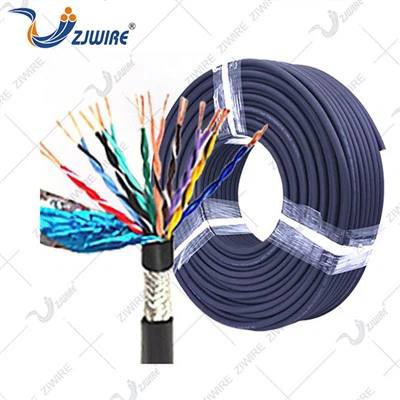
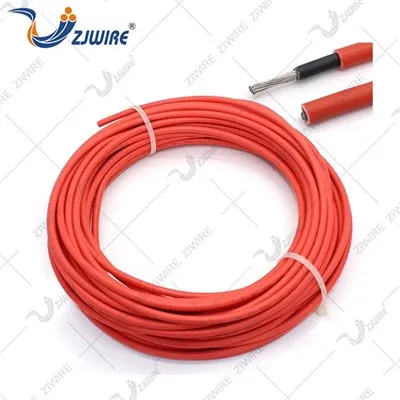
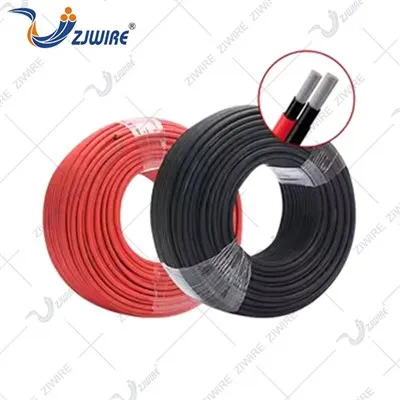
First off, let's understand what PVC insulated double sheathed cables are. These cables have a PVC insulation layer and an additional outer sheath, which provides extra protection. They're commonly used in a variety of applications, from residential wiring to industrial setups. The PVC insulation offers good electrical insulation properties, and the double - sheathing enhances the cable's durability, protecting it from mechanical damage, moisture, and other environmental factors.
Now, explosive environments are a whole different ballgame. These are areas where there's a risk of an explosion due to the presence of flammable gases, vapors, dusts, or fibers. Think of oil refineries, chemical plants, grain silos, and mines. In such places, safety is of the utmost importance, and the electrical equipment used must meet strict safety standards.
So, can our PVC insulated double sheathed cables be used in these explosive zones? Well, it's not a straightforward yes or no answer.
Factors to Consider
1. Ignition Risk
One of the main concerns in explosive environments is the potential for the cable to cause an ignition. PVC, like any other material, can burn. When exposed to high temperatures or an open flame, PVC can catch fire and release toxic fumes. In an explosive environment, even a small spark or a rise in temperature from the cable can trigger an explosion.


Most PVC insulated double sheathed cables are not designed to prevent the ignition of flammable substances. They may not have the necessary features to contain an internal arc or short - circuit within the cable, which could lead to a dangerous situation. For example, if there's a fault in the cable and it generates a spark, it could ignite the surrounding flammable atmosphere.
2. Certification
Certification is key when it comes to using cables in explosive environments. There are specific standards and certifications that cables must meet to be considered safe for such areas. For instance, the ATEX directive in Europe and the NEC (National Electrical Code) in the United States have strict requirements for cables used in hazardous locations.
Most of our standard PVC insulated double sheathed cables don't come with these specialized certifications. These certifications ensure that the cable has been tested and proven to operate safely in explosive atmospheres. Without them, it's a big no - no to use these cables in explosive zones.
3. Construction and Design
The construction of PVC insulated double sheathed cables also plays a role. In explosive environments, cables need to be designed to prevent the ingress of flammable gases or dust into the cable. Our regular PVC insulated double sheathed cables may not have the right sealing or construction to keep out these substances.
For example, some specialized cables used in explosive areas have a hermetic seal or a special barrier layer to prevent the entry of flammable materials. Our standard cables lack these features, which makes them unsuitable for direct use in explosive environments.
Alternatives
If you're working in an explosive environment, there are better cable options available.
Specialized Hazardous Location Cables
There are cables specifically designed for use in explosive atmospheres. These cables are built with features to minimize the risk of ignition and are certified to meet the relevant safety standards. They often have special insulation materials and construction techniques to ensure safe operation.
For example, some cables use mineral insulation, which is non - combustible and can withstand high temperatures. These cables are designed to prevent the spread of fire and are much safer in explosive environments compared to PVC insulated double sheathed cables.
Other Common Cable Types and Their Suitability
There are also other well - known cable types like SPT - 1, THHN/THWN/THWN - 2, and TW Cable. SPT - 1 cables are commonly used for light - duty applications like lamp cords. They are not suitable for explosive environments as they are not designed to handle the risks associated with such areas.
THHN/THWN/THWN - 2 cables are popular in general electrical wiring. While they have good electrical properties, they are not typically certified for explosive atmospheres. Their PVC insulation may pose an ignition risk in these high - risk areas.
TW Cable, on the other hand, has a thermoplastic insulation. Similar to our PVC insulated double sheathed cables, it may not have the necessary features to be used safely in explosive environments without proper certification.
When PVC Insulated Double Sheathed Cables Might Be Used
There are some situations where PVC insulated double sheathed cables could potentially be used in areas adjacent to explosive zones. For example, in a control room that is separated from the explosive area by a proper barrier. In such cases, the risk of exposure to the flammable atmosphere is significantly reduced.
However, even in these situations, it's crucial to consult with a qualified electrical engineer or a safety expert. They can assess the specific conditions and determine if our PVC insulated double sheathed cables can be used safely.
Conclusion
In most cases, our PVC insulated double sheathed cables are not suitable for use in explosive environments. The risks associated with ignition, lack of proper certification, and inadequate construction make them a poor choice for these high - risk areas.
If you're in an industry that deals with explosive atmospheres, it's essential to invest in specialized cables that are designed and certified for such conditions. Safety should always be the top priority, and using the wrong cable can have serious consequences.
But don't worry, as a supplier, I'm here to help. If you have any questions about cable selection for your specific application, whether it's in an explosive environment or not, feel free to reach out. We can discuss your needs and find the right cable solution for you. Whether you need a cable for a regular installation or a specialized project, I'm ready to assist you in making the best choice. If you're interested in learning more about our cable products or need to discuss a potential purchase, just get in touch. We can start a conversation about how our cables can meet your requirements and keep your operations running smoothly.
References
- ATEX Directive (European Union)
- National Electrical Code (NEC), United States
- Industry standards for cables in explosive environments