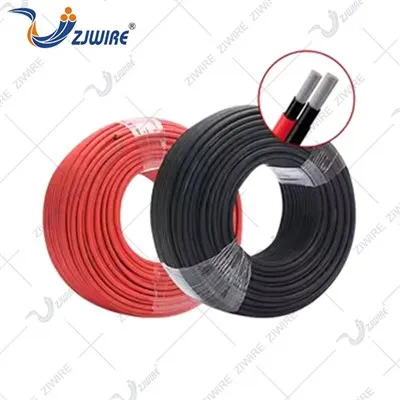
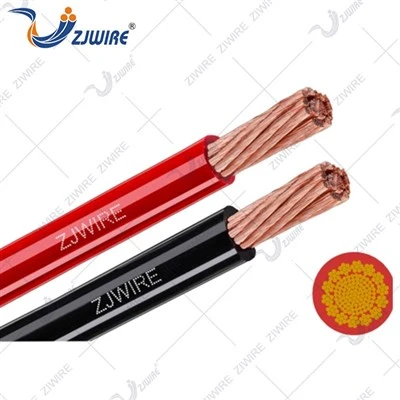
Hey there! I'm a supplier of PVC insulated double sheathed cables, and I often get asked if these cables can be used in low - temperature areas. It's a super important question, especially for those working in places where the mercury really drops. So, let's dig into this topic and find out the ins and outs.
First off, let's understand what PVC insulated double sheathed cables are. These cables have a core conductor, usually made of copper or aluminum, which is surrounded by a PVC insulation layer. Then, there's an additional outer sheath, also made of PVC in most cases. This double - sheathed design offers extra protection against mechanical damage, moisture, and other environmental factors.
Now, the big question: how does PVC hold up in cold weather? PVC is a thermoplastic material. At normal temperatures, it's flexible and provides great electrical insulation. But when the temperature drops, PVC starts to become stiffer. This stiffness can lead to a few problems.
One of the main issues is the risk of cracking. As PVC gets stiffer, it loses its ability to bend and flex without damage. If the cable is subjected to any kind of movement or vibration in low - temperature conditions, the outer sheath or even the insulation layer could crack. Once there are cracks, moisture and other contaminants can seep in, which can cause short - circuits or other electrical problems.
Another concern is the change in electrical properties. While PVC is a good insulator at normal temperatures, its insulating properties can change in the cold. The dielectric constant and loss tangent of PVC can be affected by low temperatures, which might lead to a decrease in the cable's overall electrical performance.
However, it's not all doom and gloom. There are ways to make PVC insulated double sheathed cables suitable for low - temperature areas. Some manufacturers, including us, use special formulations of PVC that are designed to be more flexible at lower temperatures. These formulations often include additives that improve the cold - resistance of the PVC.
For example, we have products like the SPT - 1 which has been engineered to withstand relatively low temperatures compared to standard PVC cables. This cable is commonly used in a variety of applications, and its design takes into account the challenges of cold environments.
We also offer the UL3302 Cable and UL2587 Cable. These cables are built with high - quality PVC materials that have enhanced cold - resistance features. They are tested rigorously to ensure that they can perform well even in freezing conditions.
When installing PVC insulated double sheathed cables in low - temperature areas, proper installation practices are crucial. The cables should be installed in a way that minimizes stress on them. For instance, avoid sharp bends and ensure that there is enough slack in the cable to allow for any expansion or contraction due to temperature changes.


It's also a good idea to protect the cables from direct exposure to the cold. This can be done by installing them in conduits or enclosures that provide some insulation. Additionally, using heat - tracing systems can help maintain the temperature of the cables within an acceptable range.
Before choosing a PVC insulated double sheathed cable for a low - temperature application, it's important to consider the specific temperature range of the area. Different cables have different minimum operating temperatures. You need to make sure that the cable you select can handle the coldest temperatures that it will be exposed to.
In some extremely cold areas, you might need to consider alternative cable materials. For example, some rubber - insulated cables have better cold - resistance properties than PVC. But rubber cables can be more expensive and might not be as suitable for all applications.
If you're still not sure whether PVC insulated double sheathed cables are the right choice for your low - temperature project, don't hesitate to reach out to us. We have a team of experts who can help you evaluate your needs and recommend the best cable solution.
We understand that every project is unique, and we're committed to providing high - quality cables that meet your specific requirements. Whether you're working on a small residential project or a large industrial installation in a cold climate, we have the products and knowledge to support you.
So, if you're in the market for PVC insulated double sheathed cables for low - temperature areas, give us a shout. We can discuss your project in detail, provide you with samples, and offer competitive pricing. Let's work together to find the perfect cable solution for your needs.
References:
- Electrical Cable Handbook, various editions
- Industry standards related to cable performance in low - temperature conditions