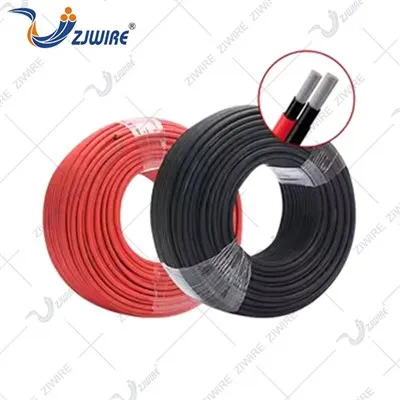
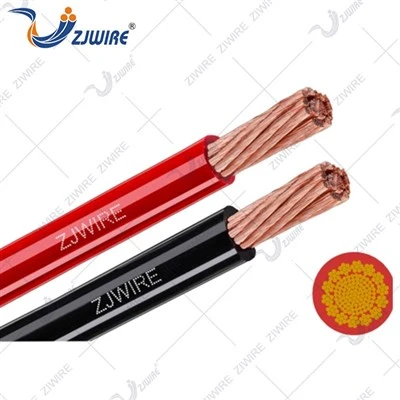
Hey there! As a supplier of PVC insulated wire, I often get asked if PVC insulated wire can be used in elevator electrical systems. It's a super important question, given the safety - critical nature of elevators. So, let's dig deep into this topic.
First off, let's understand what PVC insulated wire is. PVC (Polyvinyl Chloride) is a type of plastic that's commonly used as insulation for electrical wires. It's got several great properties. It's relatively cheap, flexible, and it offers good electrical insulation. These features make PVC insulated wire a popular choice in many electrical applications.
Now, let's talk about elevator electrical systems. Elevators are complex machines that rely on a whole bunch of electrical components to function safely and smoothly. The electrical system controls everything from the elevator's movement to the operation of the doors, lighting, and safety features. So, the wiring used in these systems needs to meet some pretty strict standards.
The main requirements for wiring in elevator electrical systems include:
- Safety: The most crucial factor. The wire must be able to prevent electrical short - circuits, which could lead to fires or malfunctions in the elevator. It also needs to have good resistance to heat and chemicals that it might be exposed to in the elevator shaft.
- Durability: Elevators operate non - stop for long periods. The wiring has to be able to withstand constant vibrations, mechanical stress, and temperature changes without degrading.
- Compliance: There are a bunch of local and international safety standards that elevator wiring must meet, like the UL (Underwriters Laboratories) standards in the United States.
So, can PVC insulated wire meet these requirements? Well, it depends.
On the positive side, PVC insulated wire has some features that make it potentially suitable for elevator electrical systems.
- Insulation performance: PVC provides good electrical insulation, which helps prevent current leakage and short - circuits. This is essential for the safe operation of the elevator's electrical system.
- Flexibility: Elevator wiring often needs to be routed through tight spaces and around corners. The flexibility of PVC insulated wire makes it easier to install in these complex setups.
However, there are also some drawbacks.
- Heat resistance: PVC has a relatively low melting point compared to some other insulation materials. In an elevator, the electrical components can generate a significant amount of heat. If the temperature rises too high, the PVC insulation could melt, leading to a short - circuit and potentially a fire.
- Flammability: PVC is flammable. In the event of a fire, it can release toxic gases, which is a major safety concern in an enclosed space like an elevator.
But don't worry! There are ways to make PVC insulated wire more suitable for elevator use. For example, some manufacturers produce PVC insulated wire with enhanced heat - resistant and flame - retardant properties. These wires are designed to meet the strict safety requirements of elevator electrical systems.
Let's look at some specific types of PVC insulated wire that might be used in elevators.
- THW2: This type of wire is known for its good electrical performance and relatively high heat resistance. You can find more details about it THW2. It's often used in various electrical systems, and it could potentially be a good choice for elevator wiring if it meets the necessary safety standards.
- UL2501 Cable: The UL2501 cable is designed to comply with certain safety standards. You can check out UL2501 Cable for more information. It might be a suitable option for elevator electrical systems as it has been tested to meet specific safety requirements.
- SPT - 1: This is a commonly used PVC insulated wire. It's flexible and affordable. You can click SPT - 1 to learn more. While it might work in some less - critical parts of the elevator electrical system, it may not be suitable for the main power - carrying wires due to its limited heat and mechanical resistance.
In many cases, it's a good idea to consult with an electrician or an elevator engineer. They can assess the specific needs of your elevator system and determine if PVC insulated wire is the right choice. They'll also be able to tell you if the wire meets all the necessary safety and performance standards.
If you're in the market for PVC insulated wire for your elevator electrical systems, I'm here to help. As a supplier, I've got a wide range of PVC insulated wires that are designed to meet different requirements. Whether you need wires with high heat resistance, flame - retardant properties, or just something that's easy to install, I've got you covered.
If you're interested in learning more about our products and seeing if they're a good fit for your elevator project, don't hesitate to reach out. We can have a detailed discussion about your needs, and I can provide you with the technical specifications and pricing information. We can work together to ensure you get the right PVC insulated wire for your elevator electrical systems.


Let's make your elevator project a success by using the best - suited wiring. Get in touch, and let's start that business conversation!
References
- Electrical safety standards for elevators from relevant local and international authorities
- Technical data sheets of PVC insulated wire manufacturers