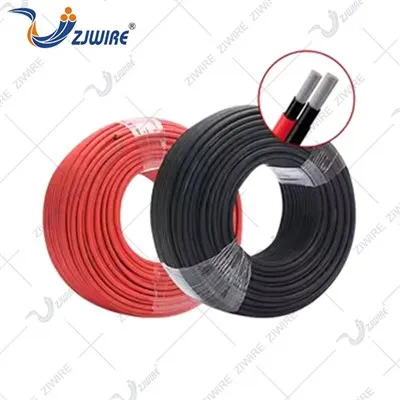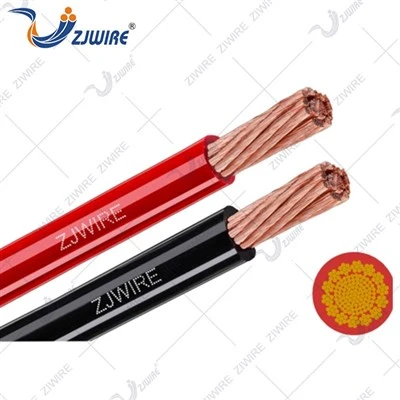
In the world of audio and video technology, enthusiasts and professionals alike are constantly seeking the perfect setup to achieve the highest quality sound and visuals. One often debated topic is whether audio/video cables can affect the power consumption of devices. As a leading audio/video cable supplier, we've delved deep into this subject to provide you with a comprehensive and scientifically sound analysis.
Understanding Power Consumption Basics
Before we explore the relationship between audio/video cables and power consumption, it's essential to understand the fundamentals of power consumption in electronic devices. Power consumption is typically measured in watts (W) and represents the rate at which an electrical device uses energy. It is determined by the device's internal components, such as processors, displays, and amplifiers, as well as its operating conditions.
For audio and video devices, power consumption can vary significantly depending on factors like screen size, resolution, and audio output levels. For example, a large - screen 4K TV will generally consume more power than a smaller 1080p TV. Similarly, a high - end audio amplifier with powerful speakers will draw more power when playing at high volumes compared to a low - power portable speaker.
The Role of Audio/Video Cables
Audio/video cables are primarily designed to transmit signals between devices. They come in various types, including HDMI, RCA, optical, and coaxial cables, each with its own characteristics and applications. The main function of these cables is to carry data, such as audio frequencies and video images, from a source device (e.g., a DVD player or a computer) to a destination device (e.g., a TV or a sound system).
In theory, the direct impact of audio/video cables on power consumption is minimal. These cables are passive components, meaning they do not actively consume power to function. Unlike active components like amplifiers or power supplies, which require electrical energy to operate, cables simply provide a pathway for signals to travel.
However, there are some indirect ways in which audio/video cables could potentially influence power consumption.
Signal Loss and Compensation
One of the key factors to consider is signal loss. As a signal travels through a cable, it can experience attenuation, which is the reduction in signal strength. This is more likely to occur in longer cables or cables of poor quality. When a device detects a weak or degraded signal, it may attempt to compensate for it.


For example, in an audio system, if the amplifier receives a weak audio signal through a sub - standard cable, it may increase its gain to boost the sound. This increase in gain requires additional power, thereby increasing the overall power consumption of the amplifier. Similarly, a TV may boost the brightness or contrast settings to compensate for a poor - quality video signal, leading to higher power consumption.
In contrast, high - quality cables [such as our Audio Cable] are designed to minimize signal loss. They use better materials, such as high - purity copper conductors and advanced insulation, to ensure that the signal remains strong and clear throughout its journey. By reducing the need for devices to compensate for signal degradation, high - quality cables can help keep power consumption in check.
Impedance Matching
Another aspect that can affect the interaction between cables and power consumption is impedance matching. Impedance is the opposition that a circuit presents to the flow of an alternating current (AC). For audio and video signals, proper impedance matching is crucial for efficient signal transfer.
When the impedance of a cable does not match the impedance of the source or destination device, it can lead to signal reflections. These reflections can cause interference and distortion in the signal, which may again prompt the device to compensate. A device trying to correct for these issues may end up consuming more power.
High - quality audio/video cables are engineered to have precise impedance values that match the requirements of the devices they are used with. This ensures smooth and efficient signal transfer, reducing the likelihood of power - consuming signal compensation mechanisms being activated. Our Network Cable is an example of a product that is carefully designed with impedance matching in mind.
The Impact of Cable Length
Cable length also plays a role in power consumption. As mentioned earlier, longer cables are more prone to signal loss. The resistance of a cable is directly proportional to its length, and as the resistance increases, the signal strength decreases. This means that longer cables require devices to work harder to transmit and receive signals effectively.
For example, in a home theater system with a long HDMI cable connecting a media player to a distant TV, the media player may need to use more power to push the video signal through the cable. By using the shortest cable length possible without sacrificing functionality, you can minimize signal loss and potentially reduce power consumption.
Evaluating the Evidence
While the above factors suggest that audio/video cables can have an indirect impact on power consumption, it's important to note that the overall effect is usually quite small. In most consumer - grade audio and video setups, the power savings achieved by using high - quality cables are likely to be negligible in terms of monthly electricity bills.
However, for large - scale installations, such as commercial theaters, data centers, or corporate AV systems, the cumulative effect of power consumption across multiple devices can be significant. In these scenarios, investing in high - quality cables can lead to long - term cost savings and more efficient operation.
Our Product Offerings
As a trusted audio/video cable supplier, we offer a wide range of products designed to meet the diverse needs of our customers. Our Transparent Cable is not only aesthetically pleasing but also engineered to provide excellent signal transmission with minimal loss. Our cables are rigorously tested to ensure they meet the highest standards of quality and performance.
Whether you are a home audio enthusiast looking to enhance your listening experience or a professional in the AV industry, our cables can help you achieve optimal results while potentially minimizing power consumption.
Conclusion and Call to Action
In conclusion, while audio/video cables do not directly consume power, they can have an indirect impact on the power consumption of devices through factors such as signal loss, impedance matching, and cable length. By choosing high - quality cables from a reliable supplier, you can reduce the need for devices to compensate for signal degradation, leading to more efficient operation.
If you are interested in learning more about our audio/video cable products or would like to discuss your specific requirements, we invite you to contact us for a procurement discussion. Our team of experts is ready to assist you in finding the perfect cables for your setup.
References
- Horowitz, P., & Hill, W. (1989). The Art of Electronics. Cambridge University Press.
- Toole, F. E. (2008). Sound Reproduction: The Acoustics and Psychoacoustics of Loudspeakers and Rooms. Focal Press.
- Electronics Tutorials. (n.d.). Impedance Matching. Retrieved from various online electronics resources.