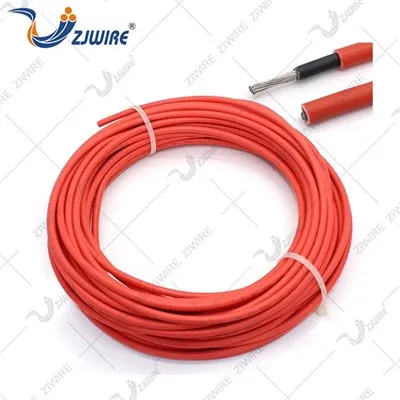
Hey there! I'm a supplier of European standard cables, and today I want to dig into a question that often pops up: Do European standard cables comply with international safety standards?
First off, let's talk about what European standard cables are. These cables are designed and manufactured according to the specific requirements set by European regulations. They come in a variety of types, each with its own unique features and applications. For example, the H05S-K Cable is known for its flexibility and durability, making it suitable for a wide range of industrial and commercial uses. Another popular type is the H05VVH2-F, which offers excellent electrical insulation and is often used in indoor wiring systems. And then there's the H07V-K, which is designed for heavy-duty applications and can withstand harsh environmental conditions.
Now, let's get to the main question: Do these European standard cables comply with international safety standards? The short answer is yes, in most cases. European standards are generally very strict when it comes to safety, and many of them are recognized and adopted by international organizations. For example, the International Electrotechnical Commission (IEC) sets global standards for electrical equipment, including cables. Many European cable manufacturers ensure that their products meet or exceed IEC standards, which means they are also compliant with international safety requirements.
One of the key aspects of safety in cable manufacturing is the use of high-quality materials. European cable manufacturers typically use top-grade insulation and conductor materials to ensure the safety and reliability of their products. These materials are tested and certified to meet specific safety standards, such as flame retardancy, resistance to electrical shock, and protection against environmental factors.
Another important factor is the manufacturing process. European cable manufacturers follow strict quality control procedures to ensure that every cable they produce meets the highest safety standards. This includes rigorous testing at every stage of production, from raw material inspection to final product testing. By adhering to these strict quality control measures, European cable manufacturers can guarantee that their products are safe and reliable.
However, it's important to note that not all European standard cables are created equal. Just because a cable is labeled as a European standard cable doesn't necessarily mean it complies with all international safety standards. There are some cases where a cable may meet European standards but not international ones, or vice versa. This is why it's crucial to do your research and make sure you're purchasing cables from a reputable supplier.
As a European standard cable supplier, I take pride in offering high-quality cables that comply with both European and international safety standards. I work closely with my manufacturers to ensure that all of our cables are tested and certified to meet the highest safety requirements. We also provide detailed product information and technical support to help our customers make informed decisions about which cables are best for their specific applications.
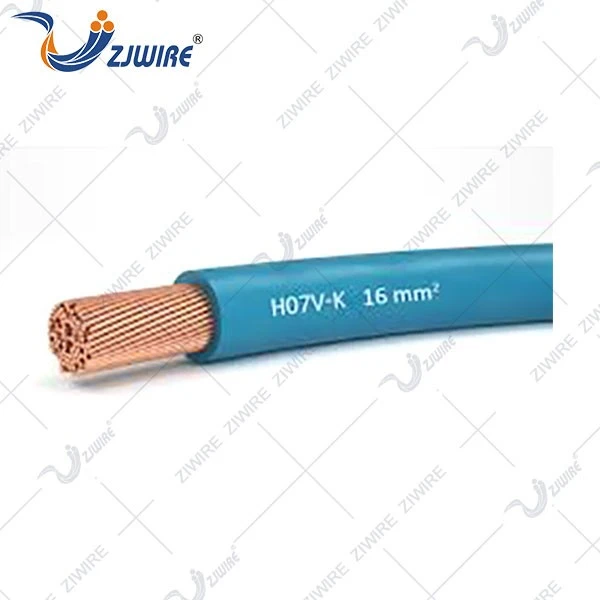

If you're in the market for European standard cables, I encourage you to reach out to me. Whether you need cables for industrial, commercial, or residential applications, I can help you find the right solution. I offer a wide range of cables, including the H05S-K Cable, H05VVH2-F, and H07V-K, and I'm always happy to provide samples and technical advice.
In conclusion, European standard cables generally comply with international safety standards, thanks to the strict regulations and high-quality manufacturing processes in Europe. However, it's important to do your due diligence and choose a reputable supplier to ensure that you're getting the safest and most reliable cables for your needs. If you have any questions or need further information, don't hesitate to contact me. I'm here to help you find the perfect cable solution for your project.