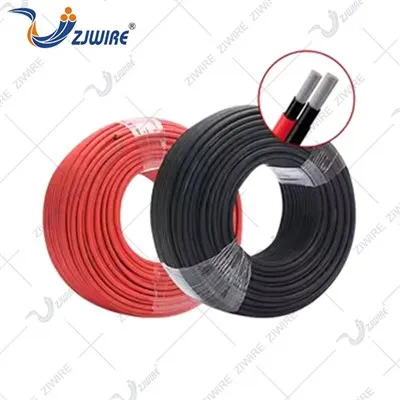
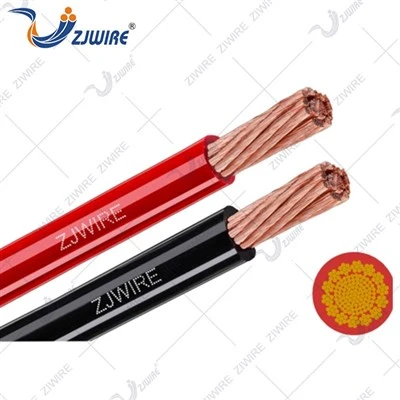
Double sheathed cables are a crucial component in various electrical systems, providing enhanced protection and durability. As a supplier of double sheathed cables, I often get asked about how long these cables last. In this blog post, I'll delve into the factors that influence the lifespan of double sheathed cables and provide some insights based on industry knowledge and experience.
Understanding Double Sheathed Cables
Double sheathed cables, as the name suggests, have two layers of insulation. The inner layer protects the conductors, while the outer layer provides additional mechanical and environmental protection. This design makes them suitable for a wide range of applications, from residential wiring to industrial installations.
Factors Affecting the Lifespan of Double Sheathed Cables
1. Quality of Materials
The quality of the materials used in the manufacturing of double sheathed cables plays a significant role in determining their lifespan. High - quality conductors, such as copper or aluminum with proper purity levels, offer better conductivity and resistance to corrosion. The insulation materials, which can be made of substances like PVC (Polyvinyl Chloride), XLPE (Cross - linked Polyethylene), or rubber, should have excellent electrical and mechanical properties. For example, XLPE insulation is known for its high - temperature resistance and long - term stability. When we source materials for our double sheathed cables, we ensure that they meet strict quality standards to guarantee a longer lifespan.


2. Installation Conditions
Proper installation is essential for the long - term performance of double sheathed cables. If cables are installed in a cramped space where they are bent at sharp angles or subjected to excessive tension, it can damage the insulation over time. Additionally, the environment in which the cables are installed matters. Cables installed in areas with high humidity, extreme temperatures, or exposure to chemicals are more likely to experience degradation. For instance, in a chemical plant, the cables need to be resistant to chemical corrosion. We always recommend following the manufacturer's installation guidelines to maximize the cable's lifespan.
3. Electrical Load
The amount of electrical current flowing through the cable affects its lifespan. If a cable is continuously overloaded, it will generate more heat. Excessive heat can cause the insulation to degrade faster, leading to a shorter lifespan. It's important to choose the right cable size based on the expected electrical load. For example, in a large industrial facility with high - power equipment, using a cable with an appropriate ampacity is crucial. Our technical team can assist customers in selecting the right double sheathed cable for their specific electrical load requirements.
4. Maintenance
Regular maintenance can significantly extend the lifespan of double sheathed cables. This includes visual inspections for signs of damage, such as cracks in the insulation or exposed conductors. In some cases, testing the electrical properties of the cable, like insulation resistance, can help detect early signs of degradation. If any issues are detected during maintenance, prompt repairs or replacements should be carried out.
Typical Lifespan of Double Sheathed Cables
On average, well - installed and maintained double sheathed cables can last anywhere from 20 to 30 years. However, this is a general estimate, and the actual lifespan can vary depending on the factors mentioned above.
In residential applications, where the electrical load is relatively stable and the environment is less harsh, double sheathed cables can often reach the upper end of this lifespan range. For example, in a single - family home, the cables used for lighting and small appliances may last for 25 - 30 years if installed and maintained properly.
In industrial settings, the lifespan may be shorter due to the more demanding conditions. High - power machinery, exposure to chemicals, and frequent start - stop cycles can all contribute to faster cable degradation. In these cases, the cables may need to be replaced every 15 - 20 years.
Comparison with Other Cable Types
Let's compare double sheathed cables with some other common cable types in terms of lifespan.
- UL3173 Cable: UL3173 cables are designed for specific applications, often in the telecommunications and data - transmission fields. They are built to meet certain safety and performance standards. While they can have a long lifespan, typically around 20 - 25 years, double sheathed cables may offer better mechanical protection in some cases. You can find more information about UL3173 Cable here.
- UL1061 Cable: UL1061 cables are commonly used in low - voltage applications, such as control circuits. Their lifespan is usually in the range of 15 - 20 years. Double sheathed cables, with their additional layer of protection, may outlast UL1061 cables in environments where there is a higher risk of physical damage. Check out UL1061 Cable for more details.
- THHW Cable: THHW cables are known for their high - temperature resistance and are often used in wet or dry locations. They generally have a lifespan of 20 - 25 years. Double sheathed cables can provide an extra level of protection, especially in more challenging environments. You can learn more about THHW Cable.
Extending the Lifespan of Double Sheathed Cables
To help our customers get the most out of their double sheathed cables, we recommend the following steps:
- Proper Sizing: Ensure that the cable is sized correctly for the electrical load. Our team can assist in calculating the appropriate cable size based on your specific requirements.
- Quality Installation: Hire a professional electrician who is familiar with the installation of double sheathed cables. They should follow all the installation guidelines to prevent damage during installation.
- Regular Inspections: Conduct visual inspections at regular intervals and perform electrical tests as needed. This can help detect any potential issues early on.
- Environmental Protection: If possible, install the cables in a protected environment. For example, use cable trays or conduits to shield the cables from physical damage and environmental factors.
Contact Us for Your Double Sheathed Cable Needs
As a leading supplier of double sheathed cables, we are committed to providing high - quality products and excellent customer service. If you have any questions about the lifespan of our double sheathed cables, need assistance in selecting the right cable for your project, or are interested in a purchase, please don't hesitate to contact us. Our experienced sales team is ready to help you with all your cable requirements. Whether it's a small residential project or a large industrial installation, we have the right double sheathed cable solution for you.
References
- Electrical Installation Handbook, Siemens
- National Electrical Code (NEC)
- IEEE Standards for Electrical Cables