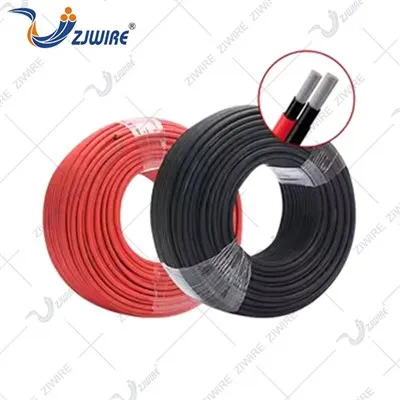
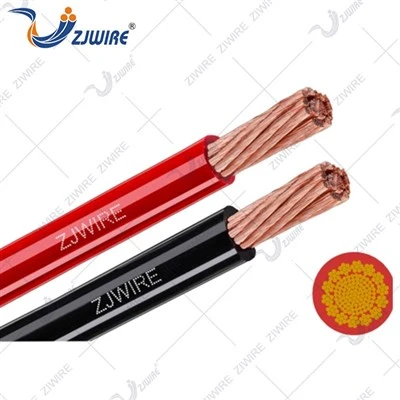
As a solar cable supplier deeply entrenched in the renewable energy industry, I often encounter inquiries regarding the lifespan of solar cables. This topic is of paramount importance as it directly impacts the efficiency, reliability, and overall cost - effectiveness of solar power systems. In this blog, I will delve into the factors that influence the lifespan of solar cables, explore the typical lifespans of different types of solar cables, and offer insights on maximizing their longevity.
Factors Affecting the Lifespan of Solar Cables
Environmental Conditions
One of the most significant factors that affect the lifespan of solar cables is the environmental conditions in which they are installed. Solar cables are often exposed to harsh outdoor elements, including extreme temperatures, UV radiation, moisture, and chemical pollutants.


Extreme temperatures can cause the insulation material of the cable to expand and contract, leading to cracks and degradation over time. High - temperature environments can accelerate the aging process of the cable insulation, while freezing temperatures can make the insulation brittle and more prone to damage. UV radiation from the sun can break down the molecular structure of the cable insulation, reducing its electrical and mechanical properties. Moisture can penetrate the cable insulation, causing corrosion of the conductors and increasing the risk of electrical short - circuits. Chemical pollutants, such as industrial emissions and salt spray in coastal areas, can also corrode the cable insulation and conductors.
Installation Quality
The quality of the installation of solar cables plays a crucial role in determining their lifespan. Improper installation, such as incorrect cable routing, inadequate support, or poor termination, can lead to mechanical stress on the cables. This stress can cause the insulation to crack, the conductors to break, or the connections to loosen over time. Additionally, if the cables are not installed in accordance with the manufacturer's specifications, they may be more susceptible to environmental damage.
Cable Material and Design
The material and design of the solar cable are fundamental to its lifespan. High - quality cables are typically made from materials that are resistant to UV radiation, heat, moisture, and chemicals. For example, some solar cables use cross - linked polyethylene (XLPE) insulation, which offers excellent electrical and mechanical properties, as well as resistance to environmental factors. The design of the cable, including the number and size of conductors, the thickness of the insulation, and the type of outer sheath, also affects its durability and lifespan.
Typical Lifespans of Different Types of Solar Cables
PV1 - F 6.0
The PV1 - F 6.0 is a widely used solar cable known for its reliability and performance. Under normal environmental conditions and proper installation, PV1 - F 6.0 cables can have a lifespan of 25 to 30 years. These cables are designed to withstand high temperatures, UV radiation, and moisture, making them suitable for a variety of solar power applications. Their cross - linked insulation provides excellent electrical insulation properties and resistance to aging, ensuring long - term performance.
RADOX Cable
RADOX Cable is another popular choice in the solar industry. These cables are engineered with high - quality materials and advanced manufacturing techniques. RADOX cables can typically last between 20 and 25 years. They are known for their flexibility, which makes them easy to install, and their resistance to mechanical stress. The special insulation material used in RADOX cables provides good protection against environmental factors, contributing to their relatively long lifespan.
H1Z2Z2 - K
The H1Z2Z2 - K solar cable is designed for use in both residential and commercial solar power systems. With proper installation and in suitable environmental conditions, H1Z2Z2 - K cables can have a lifespan of 20 years or more. These cables are characterized by their good electrical properties and resistance to abrasion and chemicals. The double - layer insulation design provides an extra layer of protection, enhancing the cable's durability.
Maximizing the Lifespan of Solar Cables
Regular Inspections
Regular inspections of solar cables are essential for detecting any signs of damage or wear early on. Inspections should include checking for cracks in the insulation, loose connections, and signs of corrosion. By identifying and addressing issues promptly, you can prevent further damage and extend the lifespan of the cables.
Proper Maintenance
Proper maintenance of solar cables involves keeping them clean and free from debris. Additionally, any damaged cables should be repaired or replaced immediately. It is also important to ensure that the cables are not overloaded, as this can cause overheating and accelerate the aging process.
Use of Surge Protectors
Installing surge protectors in the solar power system can help protect the cables from electrical surges caused by lightning strikes or other electrical disturbances. These surges can damage the cable insulation and conductors, reducing their lifespan. Surge protectors can divert the excess electrical energy safely to the ground, protecting the cables and other components of the solar power system.
Conclusion
The lifespan of solar cables is influenced by a variety of factors, including environmental conditions, installation quality, cable material and design. By understanding these factors and taking appropriate measures to maximize the lifespan of solar cables, solar power system owners can ensure the long - term reliability and efficiency of their systems. As a solar cable supplier, I am committed to providing high - quality cables that meet the demanding requirements of the solar industry. If you are in the market for solar cables or have any questions about their lifespan and performance, I encourage you to reach out to me for a detailed discussion and to explore how we can work together to meet your specific needs.
References
- International Electrotechnical Commission (IEC). Standards related to solar cables.
- Manufacturer's specifications for PV1 - F 6.0, RADOX Cable, and H1Z2Z2 - K cables.
- Research papers on the aging and durability of solar cables in different environmental conditions.