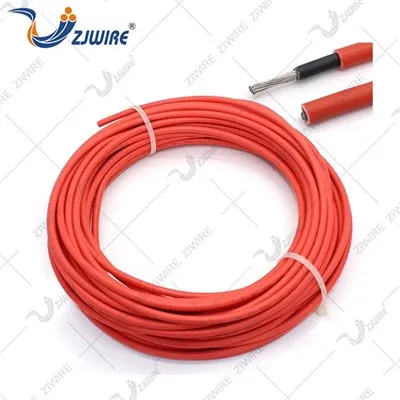
When it comes to electrical wiring, choosing the right parallel twin wire is crucial for ensuring safety, efficiency, and compliance with industry standards. As a parallel twin wire supplier, I understand the importance of making informed decisions in this regard. In this blog post, I will share some key factors to consider when selecting the right parallel twin wire for your specific needs.
Understanding Parallel Twin Wires
Parallel twin wires consist of two insulated conductors running parallel to each other. They are commonly used in a variety of electrical applications, including residential, commercial, and industrial settings. These wires are designed to carry electrical current safely and efficiently, and they come in different sizes, materials, and insulation types to meet various requirements.
Factors to Consider When Choosing Parallel Twin Wires
1. Application Requirements
The first step in choosing the right parallel twin wire is to understand the specific application requirements. Consider the following questions:
- Voltage Rating: What is the voltage of the electrical system where the wire will be used? Make sure to choose a wire with a voltage rating that is appropriate for your application.
- Current Capacity: How much current will the wire need to carry? This will depend on the electrical load of the devices or equipment connected to the wire. Select a wire with a sufficient current capacity to avoid overheating and potential safety hazards.
- Environmental Conditions: Will the wire be exposed to extreme temperatures, moisture, chemicals, or other environmental factors? Choose a wire with insulation that can withstand the specific environmental conditions of your application.
2. Wire Size
The size of the wire, also known as the gauge, is an important factor to consider. The gauge of a wire determines its current-carrying capacity and resistance. Generally, the larger the gauge number, the smaller the wire diameter and the lower the current-carrying capacity. Here are some common wire gauges and their typical applications:

- 14 AWG: Commonly used for general lighting and outlet circuits in residential applications.
- 12 AWG: Suitable for circuits that require higher current, such as kitchen appliances and air conditioners.
- 10 AWG: Used for heavy-duty appliances and circuits with high current demands.
3. Insulation Type
The insulation of the parallel twin wire plays a crucial role in protecting the conductors and ensuring safety. There are several types of insulation materials available, each with its own properties and advantages. Some common insulation types include:
- PVC (Polyvinyl Chloride): A popular choice for general-purpose wiring due to its flexibility, durability, and resistance to moisture and chemicals.
- XLPE (Cross-Linked Polyethylene): Offers excellent electrical properties, high temperature resistance, and mechanical strength. It is commonly used in high-voltage applications.
- Nylon: Provides good abrasion resistance and is often used in applications where the wire may be exposed to mechanical stress.
4. Safety Standards
It is essential to choose parallel twin wires that meet relevant safety standards and regulations. Look for wires that are certified by recognized organizations, such as UL (Underwriters Laboratories) or CSA (Canadian Standards Association). These certifications ensure that the wires have been tested and meet the required safety and performance standards.
Examples of Parallel Twin Wires
Here are some examples of parallel twin wires that are commonly used in different applications:
- XHHW Cable: This type of cable is commonly used in residential and commercial electrical systems. It has a high heat resistance and is suitable for use in wet or dry locations. XHHW Cable
- SPT-1: SPT-1 wires are often used for lamp cords and other low-voltage applications. They are flexible and easy to work with. SPT-1
- UL2464 Cable: UL2464 cables are designed for use in electronic devices and appliances. They have a high level of insulation and are suitable for applications where space is limited. UL2464 Cable
Conclusion
Choosing the right parallel twin wire is essential for ensuring the safety and efficiency of your electrical system. By considering the application requirements, wire size, insulation type, and safety standards, you can make an informed decision and select the wire that best meets your needs. As a parallel twin wire supplier, I am here to help you with any questions or concerns you may have. If you are interested in purchasing parallel twin wires, please feel free to contact me for more information and to discuss your specific requirements.