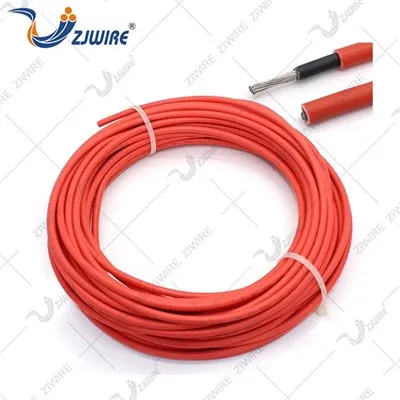
Hey there! As a supplier of PVC insulated double sheathed cables, I often get asked about the return loss of these cables. So, I thought I'd take a few minutes to break it down for you.

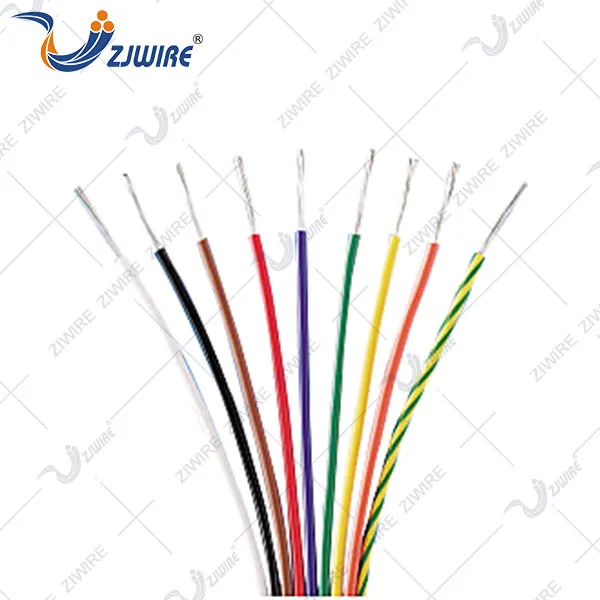
First off, what exactly is return loss? Well, in simple terms, return loss is a measure of how much of the signal that's sent down a cable gets reflected back. It's usually expressed in decibels (dB), and the higher the return loss value, the better. A high return loss means that most of the signal is traveling down the cable as it should, with very little getting reflected back.
Now, let's talk about why return loss is important in PVC insulated double sheathed cables. These cables are commonly used in a variety of applications, from telecommunications to power distribution. In these applications, it's crucial that the signal travels efficiently and without interference. A low return loss can indicate that there are issues with the cable, such as impedance mismatches or damage, which can lead to signal degradation and poor performance.
So, what factors can affect the return loss of PVC insulated double sheathed cables? One of the main factors is the quality of the cable itself. High - quality cables are designed to have a consistent impedance, which helps to minimize signal reflection. The manufacturing process also plays a big role. If the cable is not made to precise specifications, it can lead to variations in impedance and higher return loss.
Another factor is the installation of the cable. If the cable is not installed correctly, for example, if it's bent too sharply or if the connectors are not properly attached, it can cause impedance mismatches and increase the return loss. Environmental factors can also have an impact. Extreme temperatures, humidity, and exposure to chemicals can all affect the performance of the cable and increase the return loss.
Let's take a closer look at how return loss is measured. There are a few different methods, but one of the most common is using a network analyzer. This device sends a signal down the cable and measures the amount of reflected signal. The results are then displayed as a return loss value in dB.
Now, as a supplier of PVC insulated double sheathed cables, we take great care to ensure that our cables have a high return loss. We use high - quality materials and state - of - the - art manufacturing processes to produce cables that meet or exceed industry standards. We also provide detailed testing reports for each cable, so you can be confident in the performance of our products.
If you're in the market for PVC insulated double sheathed cables, you might also be interested in some of the other types of cables we offer. For example, we supply UL2464 Cable, which you can learn more about here: UL2464 Cable. This cable is widely used in various electrical applications and has excellent performance characteristics.
We also have UL2854 Cable, and you can find more information about it at UL2854 Cable. It's designed to meet specific safety and performance requirements.
And of course, we offer a range of UL Cable options. Check out UL Cable for more details.
In conclusion, understanding the return loss of PVC insulated double sheathed cables is crucial for ensuring optimal performance in your applications. Whether you're in telecommunications, power distribution, or any other field that requires reliable cable connections, choosing a cable with a high return loss is essential.
If you're interested in purchasing our PVC insulated double sheathed cables or any of our other products, don't hesitate to reach out. We're here to help you find the right cable for your needs and answer any questions you might have. Let's start a conversation and see how we can work together to meet your cable requirements.