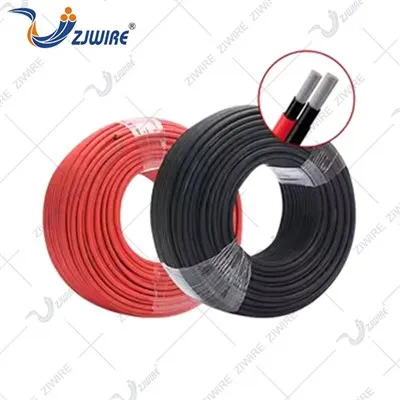
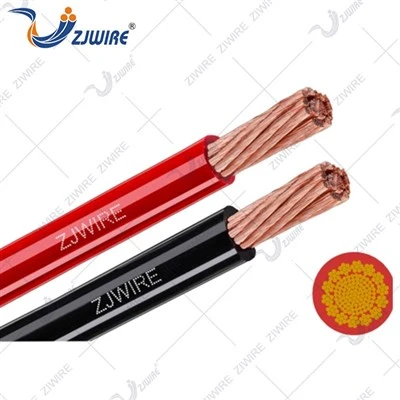
Hey there, folks! As a supplier of PVC insulated copper core wire, I've seen firsthand how crucial it is to pick the right size for your electrical projects. Whether you're a DIY enthusiast or a professional electrician, getting the sizing right can save you from a whole lot of headaches down the road. So, let's dive into how you can choose the perfect size of PVC insulated copper core wire.
Understanding the Basics
First things first, let's talk about why wire size matters. The size of a wire, often referred to as its gauge, determines how much electrical current it can safely carry. If you use a wire that's too small for the amount of current flowing through it, it can overheat, which is not only a fire hazard but can also damage your electrical equipment. On the other hand, using a wire that's too large can be a waste of money and space.
The American Wire Gauge (AWG) system is commonly used to measure the size of wires in North America. The smaller the AWG number, the larger the wire diameter and the more current it can carry. For example, a 10 AWG wire is larger and can handle more current than a 14 AWG wire.
Factors to Consider
1. Current Load
The most important factor when choosing wire size is the amount of current (measured in amperes or amps) that will be flowing through the wire. You can usually find the current requirements of your electrical devices in their user manuals or on their nameplates. For instance, a small lamp might only draw 1 or 2 amps, while a large appliance like a refrigerator could draw 10 amps or more.
As a general rule, you want to choose a wire size that can handle at least 125% of the continuous current load. This extra capacity helps prevent the wire from overheating during normal operation. So, if you have a device that draws 8 amps continuously, you'd want a wire that can handle at least 10 amps (8 x 1.25).
2. Voltage Drop
Another thing to consider is voltage drop. As electricity flows through a wire, there's a small amount of resistance that causes a drop in voltage. If the voltage drop is too high, your electrical devices might not work properly. The longer the wire and the higher the current, the greater the voltage drop will be.
To minimize voltage drop, you can use a larger wire size. The National Electrical Code (NEC) recommends keeping the voltage drop below 3% for branch circuits and 5% for feeders. You can use online voltage drop calculators to determine the appropriate wire size based on your specific length and current requirements.
3. Installation Environment
The environment where the wire will be installed also plays a role in wire size selection. If the wire will be exposed to high temperatures, such as in an attic or near a furnace, it will have a lower ampacity (the maximum amount of current it can carry safely). In this case, you might need to choose a larger wire size to compensate for the heat.
Similarly, if the wire will be installed in a conduit with multiple other wires, the heat generated by the wires can add up, reducing the overall ampacity. You'll need to derate the wire size according to the NEC guidelines to ensure safe operation.
Types of PVC Insulated Copper Core Wires
There are several types of PVC insulated copper core wires available, each designed for specific applications. Here are a few common ones:


- UL1284 Cable: This type of cable is often used in low-voltage applications, such as control circuits and communication systems. It has a thin PVC insulation and is available in various gauges.
- THW Cable: THW stands for Thermoplastic Heat and Water-resistant. This cable is suitable for both wet and dry locations and can withstand higher temperatures. It's commonly used in electrical panels, branch circuits, and feeders.
- UL1332 Cable: UL1332 cable is designed for use in power-limited fire alarm circuits. It has special insulation and construction to meet the requirements of the NEC for fire alarm systems.
How to Select the Right Size
Now that you understand the factors to consider and the different types of wires available, here's a step-by-step guide on how to choose the right size of PVC insulated copper core wire:
- Determine the current load: Find out how much current your electrical device or circuit will draw. Make sure to account for any future expansion or additional loads.
- Calculate the length of the wire: Measure the distance from the power source to the electrical device. This will help you calculate the voltage drop.
- Consider the installation environment: Think about the temperature, humidity, and other conditions where the wire will be installed. This will help you determine if you need to derate the wire size.
- Refer to the NEC or a wire sizing chart: Look up the appropriate wire size based on the current load, length, and installation environment. The NEC provides detailed guidelines for wire sizing, and there are also many online wire sizing charts available.
- Choose the right type of wire: Select the type of PVC insulated copper core wire that's suitable for your application, such as UL1284, THW, or UL1332 cable.
Conclusion
Choosing the right size of PVC insulated copper core wire is essential for the safety and efficiency of your electrical projects. By considering factors like current load, voltage drop, and installation environment, and referring to the NEC or a wire sizing chart, you can ensure that you select the appropriate wire for the job.
If you're still unsure about which wire size or type is right for you, don't hesitate to reach out. As a supplier of PVC insulated copper core wire, I'm here to help you make the best decision. Whether you have questions about our products or need advice on wire sizing, feel free to contact us for a consultation. We're committed to providing high-quality wires and excellent customer service to meet all your electrical needs.
References
- National Electrical Code (NEC)
- Electrical Wiring Handbook
- Manufacturer's product specifications