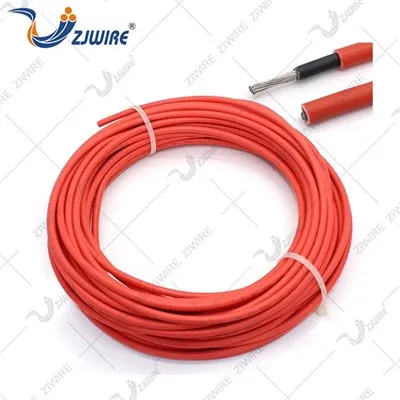
Yo, fellow cable enthusiasts! I'm a supplier of Heat Resistant PVC Insulated Cables, and today I'm gonna share some tips on how to detect faults in these cables. Heat resistant PVC insulated cables are super important in many industries, from electrical to automotive. They can handle high temperatures without breaking down, which is a big plus. But like any other product, they can develop faults over time. So, let's dive into how you can spot those issues.
Visual Inspection
The first step in detecting faults is a good old - fashioned visual inspection. This is the easiest and quickest way to start. When you look at the cable, check for any obvious signs of damage.
- Cracks and Abrasions: Look for cracks on the PVC insulation. These can be caused by physical stress, like bending the cable too much or exposure to sharp objects. Abrasions can also occur if the cable rubs against rough surfaces. If you see any cracks or abrasions, it's a sign that the cable might be compromised.
- Discoloration: Discoloration of the PVC insulation can indicate overheating. If the cable has been exposed to high temperatures for a long time, the insulation might turn yellow or brown. This is a warning sign that the cable's performance could be affected.
- Swelling or Deformation: Check if the cable has any swelling or deformation. This could be due to internal damage, such as a short - circuit or a problem with the conductor. Swelling can also be a sign of moisture ingress, which can lead to corrosion and other issues.
Electrical Testing
Visual inspection is a great start, but it's not enough. You also need to do some electrical testing to really understand the cable's condition.
- Continuity Testing: This is a basic test that checks if there is a continuous electrical path through the cable. You can use a multimeter to perform this test. Set the multimeter to the continuity setting and touch the probes to the two ends of the cable. If the multimeter beeps, it means there is a continuous path. If not, there might be a break in the conductor.
- Insulation Resistance Testing: This test measures the resistance of the insulation. A low insulation resistance value can indicate a fault in the insulation. You can use an insulation resistance tester to perform this test. Connect the tester to the cable and follow the manufacturer's instructions. A healthy cable should have a high insulation resistance value.
- Capacitance Testing: Capacitance testing can help you detect any changes in the cable's electrical properties. A change in capacitance can indicate a problem with the insulation or the conductor. You can use a capacitance meter to perform this test.
Thermal Imaging
Thermal imaging is a great way to detect faults in heat resistant PVC insulated cables. It can show you areas of the cable that are overheating, which could be a sign of a fault.
- How it Works: Thermal imaging cameras detect infrared radiation emitted by objects. When a cable is overheating, it emits more infrared radiation than a normal cable. The thermal imaging camera can detect this difference and create a thermal image of the cable.
- What to Look For: In the thermal image, look for hot spots. These are areas of the cable that are significantly hotter than the rest. Hot spots can indicate a short - circuit, a poor connection, or a problem with the insulation.
Chemical Analysis
Sometimes, the fault in a heat resistant PVC insulated cable might be due to a chemical issue. Chemical analysis can help you identify any problems with the insulation material.
- PVC Degradation: PVC can degrade over time due to exposure to heat, chemicals, or UV radiation. Chemical analysis can detect signs of PVC degradation, such as the presence of certain chemicals or changes in the chemical structure of the PVC.
- Contamination: Contamination can also cause problems in the cable. Chemical analysis can detect the presence of contaminants, such as moisture, oil, or other chemicals, which can affect the cable's performance.
Specialized Cables
We also offer some specialized heat resistant PVC insulated cables, like the UL3239 Cable, UL2854 Cable, and UL11267 Cable. These cables are designed to meet specific industry standards and have unique features. The testing methods we discussed above are also applicable to these specialized cables, but you might need to adjust the testing parameters based on their specific requirements.
Conclusion
Detecting faults in heat resistant PVC insulated cables is crucial to ensure their safe and efficient operation. By using a combination of visual inspection, electrical testing, thermal imaging, and chemical analysis, you can identify and address any issues before they become major problems.
If you're in the market for high - quality heat resistant PVC insulated cables or have any questions about cable fault detection, feel free to reach out. We're here to help you find the right cables for your needs and ensure their proper performance. Let's start a conversation and see how we can work together!