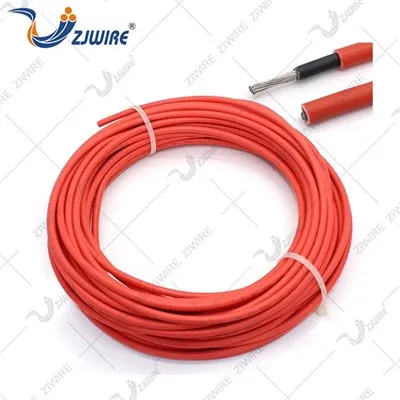
When it comes to electrical systems, the quality of PVC insulated wire is of utmost importance. As a PVC insulated wire supplier, I understand the significance of providing high - quality products to ensure the safety and efficiency of electrical installations. In this blog, I will share some key factors to help you determine if PVC insulated wire is of good quality.
1. Insulation Material Quality
The insulation of PVC insulated wire is the first line of defense against electrical leakage and short - circuits. High - quality PVC insulation should have the following characteristics:
Chemical Resistance
Good PVC insulation is resistant to a variety of chemicals. This is important because wires may be exposed to different substances in different environments. For example, in industrial settings, wires may come into contact with solvents, oils, or acids. A wire with chemical - resistant insulation will not degrade easily, maintaining its electrical properties over time.
Thermal Resistance
PVC insulation should be able to withstand a certain range of temperatures. In normal operating conditions, the wire may generate heat due to the flow of electricity. If the insulation cannot handle the heat, it may melt, crack, or lose its insulating properties. High - quality PVC insulation has a high thermal resistance, which allows it to function properly even in relatively high - temperature environments.
Flexibility
Flexibility is another crucial aspect of PVC insulation. A flexible wire is easier to install, especially in tight spaces or when making complex wiring configurations. However, it should not be so flexible that it loses its structural integrity. Good PVC insulation provides a balance between flexibility and durability.
2. Conductor Quality
The conductor is the part of the wire that carries the electrical current. The quality of the conductor can significantly affect the performance of the wire.
Conductivity
The most important property of a conductor is its conductivity. Copper is the most commonly used conductor material for PVC insulated wires due to its high electrical conductivity. High - quality copper conductors have a low resistance, which means less energy is lost as heat during the transmission of electricity. This results in more efficient electrical systems and lower energy costs.
Purity
The purity of the copper conductor also matters. Impurities in the copper can reduce its conductivity and increase the risk of corrosion. A good quality wire uses high - purity copper, which is typically 99.9% pure or higher.
Cross - sectional Area
The cross - sectional area of the conductor determines the amount of current the wire can carry. A larger cross - sectional area allows for a higher current capacity. When choosing a PVC insulated wire, it is important to select the appropriate cross - sectional area based on the electrical load requirements of the application.
3. Manufacturing Standards and Certifications
Reputable manufacturers follow strict manufacturing standards to ensure the quality of their PVC insulated wires. Certifications are a good indication of a wire's compliance with these standards.
UL Certifications
UL (Underwriters Laboratories) is a well - known organization that provides safety certifications for electrical products. Some of the common UL - certified PVC insulated wires include UL4703 Cable, UL3271 Cable, and UL1061 Cable. These certifications ensure that the wires meet specific safety and performance requirements.
Other International Standards
In addition to UL certifications, there are other international standards such as IEC (International Electrotechnical Commission) standards. Wires that comply with these standards have been tested for various aspects such as electrical performance, mechanical properties, and fire resistance.
4. Physical Appearance
The physical appearance of the PVC insulated wire can also give you some clues about its quality.
Color and Finish
A high - quality PVC insulated wire usually has a uniform color and a smooth finish. Any discoloration, unevenness, or rough spots on the insulation may indicate a manufacturing defect or poor quality control.
Markings
The wire should have clear and legible markings indicating important information such as the wire gauge, voltage rating, and manufacturer's details. These markings are essential for proper installation and identification.
No Cracks or Damages
Inspect the wire for any cracks, cuts, or other damages. Even a small crack in the insulation can compromise its effectiveness and pose a safety risk.
5. Performance Testing
If possible, perform some performance tests on the PVC insulated wire to assess its quality.
Electrical Resistance Test
You can use a multimeter to measure the electrical resistance of the wire. A low and consistent resistance value indicates a good - quality conductor.
Insulation Resistance Test
An insulation resistance test measures the resistance of the insulation to the flow of electrical current. A high insulation resistance value indicates that the insulation is in good condition.
Flexing Test
Flex the wire multiple times to check its flexibility and the integrity of the insulation. A good quality wire should not show any signs of cracking or separation of the insulation from the conductor.
6. Supplier Reputation
The reputation of the supplier is an important factor in determining the quality of the PVC insulated wire. A reliable supplier will have a history of providing high - quality products and excellent customer service.
Customer Reviews
Look for customer reviews and testimonials about the supplier. Positive reviews from satisfied customers are a good indication of the supplier's reliability.
Industry Experience
A supplier with a long - standing presence in the industry is more likely to have the expertise and resources to produce high - quality PVC insulated wires.
Technical Support
A good supplier should be able to provide technical support and answer any questions you may have about the wire's installation, usage, and performance.


In conclusion, determining the quality of PVC insulated wire requires a comprehensive evaluation of the insulation material, conductor quality, manufacturing standards, physical appearance, performance, and the reputation of the supplier. By considering these factors, you can ensure that you are purchasing high - quality PVC insulated wires for your electrical projects.
If you are in the market for PVC insulated wires and want to discuss your specific requirements, I encourage you to reach out. We are committed to providing the best - quality products and excellent service to meet your needs. Let's start a conversation about your procurement needs and find the perfect solution for your electrical applications.