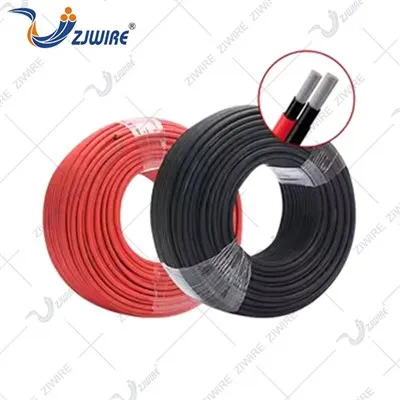
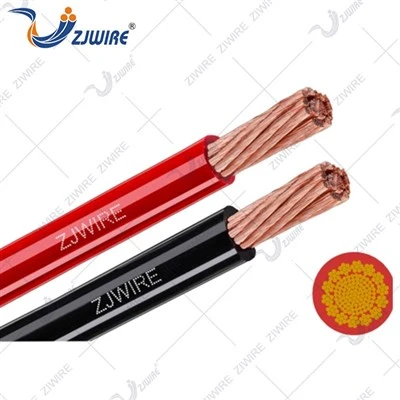
Hey there! As a supplier of American Wire Gauge (AWG) products, I've seen firsthand the importance of ensuring the proper termination of wires of different AWG sizes. In this blog, I'll share some tips and best practices to help you get the job done right.
First off, let's talk about why proper termination matters. When wires aren't terminated correctly, it can lead to a whole bunch of problems. You might experience electrical failures, like short circuits or open circuits, which can cause your equipment to malfunction or even pose a safety hazard. Poor termination can also result in increased resistance, which can lead to overheating and potentially start a fire. So, getting it right from the start is crucial.


Now, one of the first things you need to consider is the AWG size of the wire. The AWG system is used to standardize the diameter of electrical wires, and different AWG sizes have different current - carrying capacities and physical characteristics. For example, a smaller AWG number means a thicker wire. A 10 AWG wire is much thicker than a 22 AWG wire.
When it comes to terminating wires, you've got a few options. One common method is using wire nuts. Wire nuts are great for joining two or more wires together. But here's the thing, you need to make sure you're using the right size wire nut for the AWG of the wires you're working with. A wire nut that's too small won't properly grip the wires, and one that's too large might not create a secure connection.
Another option is soldering. Soldering can create a very strong and reliable connection. However, it requires some skill and the right tools. You need to heat the wire and the solder properly to ensure a good bond. When soldering different AWG wires, you have to be extra careful. Thicker wires will take longer to heat up compared to thinner ones. So, you might need to adjust your soldering technique accordingly.
For larger AWG wires, compression connectors can be a great choice. These connectors use a compression tool to squeeze the connector onto the wire, creating a tight and secure connection. Just like with wire nuts, you need to make sure you're using the correct size compression connector for the wire's AWG.
Let's take a look at some specific cables and how to terminate them. The UL2501 Cable is a popular choice for many applications. This cable might have different AWG sizes within it, depending on what it's used for. When terminating UL2501 Cable, you need to follow the manufacturer's instructions carefully. Usually, it'll involve stripping the outer sheath and then terminating the individual wires inside.
The UL1571 Cable is another common cable. It's often used in low - voltage applications. When working with this cable, you have to be gentle when stripping the insulation. The insulation on UL1571 Cable is usually thin, and you don't want to nick or damage the wire underneath. After stripping, you can use the appropriate termination method based on the AWG of the individual wires.
The UL1061 Cable is used in a variety of electrical systems. It can come in different AWG sizes, and terminating it requires attention to detail. Make sure you clean the wire before termination to remove any dirt or oxidation. This will help create a better connection.
Before you start terminating any wires, it's a good idea to plan ahead. Figure out what type of termination method you'll use, gather all the necessary tools and materials, and make sure you have a clean and safe work area. Also, always double - check your connections. You can use a multimeter to test the continuity of the wires after termination. This will tell you if the connection is good or if there are any issues.
When working with different AWG wires, you might also want to label them. This can be really helpful, especially if you're working on a complex electrical system. You can use small tags or colored tape to mark the wires. This way, you'll know exactly which wire goes where, and it'll make troubleshooting a lot easier if something goes wrong later on.
Another important aspect is insulation. After you've terminated the wires, you need to insulate them properly. You can use electrical tape or heat - shrink tubing. Electrical tape is easy to use, but heat - shrink tubing provides a more durable and professional - looking insulation. Just make sure you're using the right size heat - shrink tubing for the wires' AWG.
If you're not sure about the proper termination method for a particular AWG wire or cable, don't be afraid to consult the manufacturer's documentation. They usually have detailed instructions on how to terminate their products safely and effectively.
In conclusion, ensuring the proper termination of wires of different American Wire Gauges is essential for the safety and performance of your electrical systems. Whether you're using wire nuts, soldering, or compression connectors, make sure you're using the right tools and techniques for the AWG of the wires. And always follow the manufacturer's instructions.
If you're in the market for high - quality AWG wires and termination products, we've got you covered. We're a leading supplier of American Wire Gauge products, and we can provide you with everything you need for your electrical projects. Whether you're a professional electrician or a DIY enthusiast, we can offer the right solutions for your needs. If you're interested in learning more or want to discuss your specific requirements, feel free to reach out and start a procurement discussion.
References
- Electrical Wiring Handbook
- National Electrical Code (NEC)