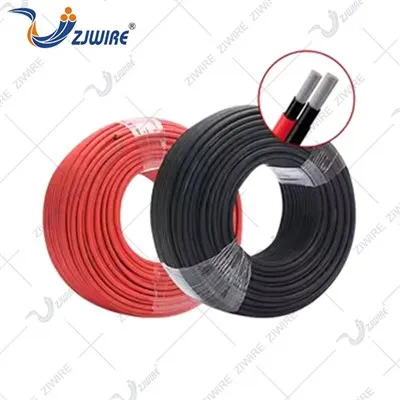
Yo! I'm an automotive wire supplier, and I get it – flexibility in automotive wires is a big deal. Whether you're into car modification or just need reliable wiring for your vehicle, having flexible wires can make a world of difference. So, let's dive into how you can increase the flexibility of automotive wire.
1. Choose the Right Wire Material
First off, the material of the wire plays a huge role in its flexibility. Copper is a top - choice for automotive wires. It's not only an excellent conductor of electricity but also has good ductility, which means it can be bent and shaped easily without breaking.
Aluminum is another option, but it's a bit more brittle compared to copper. If you go for aluminum, make sure it's alloyed properly to enhance its flexibility. Some manufacturers add small amounts of other metals like magnesium or silicon to aluminum to make it more pliable.
When you're looking for the right wire, check out our Car Modification Wire. It's made with high - quality copper and is designed to be super flexible, perfect for all your car modification needs.
2. Pay Attention to Wire Gauge
The gauge of the wire is basically its thickness. Thinner wires are generally more flexible than thicker ones. However, you can't just go for the thinnest wire available because it also needs to carry the right amount of electrical current.
For low - current applications like interior lighting or small sensors, a higher - gauge wire (thinner) will work great. But for high - current applications such as starting the engine or powering large electrical components, you'll need a lower - gauge (thicker) wire.
If you're not sure which gauge to choose, you can always consult with us. We've got a wide range of wires, including the FLRY - B Cable, which comes in different gauges to suit various needs.
3. Stranding Matters
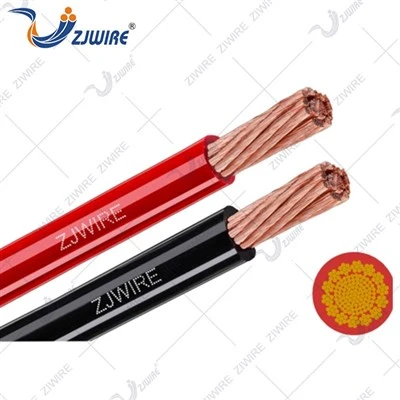
The way the wire is stranded also affects its flexibility. A stranded wire is made up of multiple small wires twisted together. The more strands a wire has, the more flexible it will be.
Solid wires, on the other hand, are just one single piece of wire. They're less flexible and more prone to breaking when bent repeatedly. So, whenever possible, choose stranded wires for your automotive applications.
Our Car Booster Cable is a great example of a well - stranded wire. It's designed to be flexible enough to be easily maneuvered during those emergency jump - starts.
4. Insulation Considerations
The insulation around the wire can either help or hinder its flexibility. Soft and pliable insulation materials are better for flexibility. Rubber and some types of plastics are commonly used for automotive wire insulation.
Avoid insulation that's too hard or brittle. Over time, hard insulation can crack, exposing the wire and causing electrical problems. Make sure the insulation is also resistant to heat, oil, and other chemicals commonly found in a car's environment.
5. Proper Installation
How you install the wire can also impact its long - term flexibility. Don't bend the wire too sharply during installation. Use gentle curves instead. If you need to make a turn, use wire guides or clips to support the wire and prevent it from kinking.
Also, leave some slack in the wire. This allows the wire to move and flex naturally as the vehicle vibrates or as parts of the car shift during operation.
6. Maintenance and Protection
Once the wire is installed, it's important to maintain and protect it. Regularly check the wire for any signs of damage, such as cuts, abrasions, or fraying. If you notice any problems, replace the wire immediately.
You can also use wire looms or protective sleeves to shield the wire from physical damage and environmental factors. This helps to preserve the wire's flexibility over time.
7. Temperature Management
Extreme temperatures can affect the flexibility of automotive wires. In cold weather, wires can become stiff and more likely to break. In hot weather, the insulation can soften and the wire may become more prone to damage.
If you live in an area with extreme temperatures, consider using wires that are designed to withstand those conditions. Some wires are specifically engineered to maintain their flexibility in a wide range of temperatures.
8. Testing and Quality Control
Before using any wire in your automotive project, it's a good idea to test its flexibility. Bend the wire gently and see how easily it moves. Check for any signs of cracking or breaking in the insulation or the wire itself.
As a supplier, we have strict quality control measures in place. Every wire we sell goes through rigorous testing to ensure it meets high standards of flexibility and performance.
Why Flexibility is So Important
Flexible automotive wires are crucial for several reasons. First of all, they're easier to install. You can route them around tight spaces and through complex areas of the vehicle without much hassle.


Secondly, they can withstand the vibrations and movements that occur while the vehicle is in operation. A flexible wire is less likely to break or come loose, which means fewer electrical problems and a more reliable vehicle.
Finally, for car enthusiasts who like to modify their vehicles, flexible wires are essential. They allow for creative wiring setups and make it easier to add new electrical components.
If you're in the market for automotive wires with great flexibility, we're here to help. We've got a wide selection of high - quality wires that are designed to meet all your needs. Whether you're a professional mechanic, a car hobbyist, or just need to replace some wires in your daily driver, we've got you covered.
So, if you're interested in purchasing automotive wires or have any questions about increasing wire flexibility, don't hesitate to reach out. We're always happy to have a chat and help you find the perfect solution for your automotive wiring needs. Let's get your vehicle wired up right!
References
- Automotive Wiring Handbook, various editions.
- Electrical Systems in Vehicles, industry - specific publications.