Hey there! As a supplier of European standard cables, I've seen firsthand how important it is to maintain these cables properly. In this blog, I'll share some tips and tricks on how to keep your European standard cables in top-notch condition.
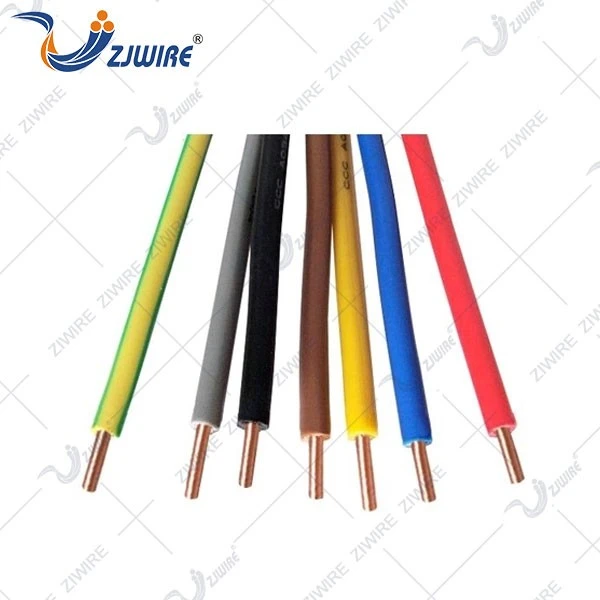
First off, let's talk about what European standard cables are. These cables are designed and manufactured according to the strict standards set by European regulatory bodies. They're used in a wide range of applications, from industrial machinery to home appliances. Some common types of European standard cables include H07V-U, H05S-K Cable, H05VV-F, H07VVH2-F, and H05V-F.
Regular Inspection
One of the most important things you can do to maintain your European standard cables is to inspect them regularly. This means checking for any signs of damage, such as cuts, abrasions, or exposed wires. You should also look for any signs of wear and tear, like fraying or cracking of the insulation.
Inspect your cables at least once a month, or more frequently if they're used in a harsh environment. If you notice any damage, it's important to replace the cable immediately. Using a damaged cable can be extremely dangerous, as it can lead to electrical shorts, fires, or even electrocution.
Proper Storage
Proper storage is another key factor in cable maintenance. When not in use, cables should be stored in a cool, dry place. Avoid storing them in direct sunlight or in areas with high humidity, as this can cause the insulation to degrade over time.
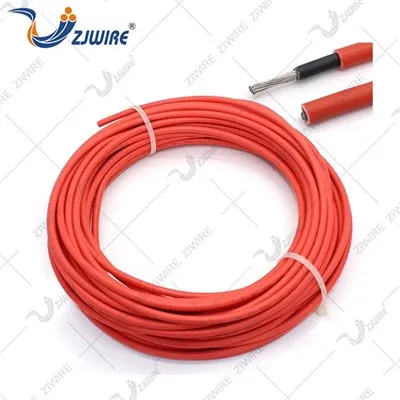
It's also a good idea to coil the cables neatly and secure them with cable ties or Velcro straps. This helps to prevent tangling and damage to the cable. If you have a large number of cables, consider using a cable rack or storage cabinet to keep them organized.
Avoid Overloading
Overloading a cable can cause it to overheat, which can damage the insulation and increase the risk of a fire. Make sure you use the right size of cable for your application. Check the cable's rating to ensure it can handle the electrical load.
If you're not sure what size cable you need, consult with an electrician or a cable expert. They can help you determine the appropriate cable size based on your specific requirements.
Protect from Physical Damage
Physical damage is one of the most common causes of cable failure. To protect your cables, you should avoid pulling, bending, or twisting them too tightly. Also, make sure they're not exposed to sharp edges or heavy objects that could cut or crush them.
If you're installing cables in a workplace or industrial setting, consider using cable guards or conduits to protect them. These can provide an extra layer of protection against physical damage.
Keep Clean
Dirt and debris can accumulate on the surface of cables over time, which can affect their performance. To keep your cables clean, you can use a soft, dry cloth to wipe them down regularly. If the cables are particularly dirty, you can use a mild detergent and water to clean them. Just make sure to dry them thoroughly afterward to prevent corrosion.
Temperature and Humidity Control
Extreme temperatures and high humidity can have a negative impact on the performance and lifespan of European standard cables. High temperatures can cause the insulation to melt or become brittle, while high humidity can lead to corrosion of the conductors.

If possible, try to keep the cables in an environment with a stable temperature and humidity level. In industrial settings, you may need to use air conditioning or dehumidifiers to control the environment.
Training and Awareness
If your employees are using the cables, it's important to provide them with proper training on cable maintenance. Make sure they understand the importance of regular inspections, proper storage, and avoiding overloading.
You can also create awareness campaigns to remind employees about cable safety. This can help to prevent accidents and ensure the long-term performance of your cables.
Professional Maintenance
In addition to regular inspections and basic maintenance, it's a good idea to have your cables professionally maintained every few years. A professional cable technician can perform a more in-depth inspection, including testing the electrical conductivity and insulation resistance of the cables.
They can also identify any potential problems early on and recommend the appropriate solutions. Professional maintenance can help to extend the lifespan of your cables and ensure their safe and reliable operation.
Conclusion
Maintaining European standard cables is crucial for ensuring their safety and reliability. By following these tips, you can keep your cables in good condition and avoid costly repairs or replacements.
If you're in the market for high-quality European standard cables, I'm here to help. I'm a trusted supplier of these cables, and I can provide you with the best products and advice. Don't hesitate to reach out to me for more information or to discuss your cable needs. Let's work together to ensure your electrical systems are running smoothly.