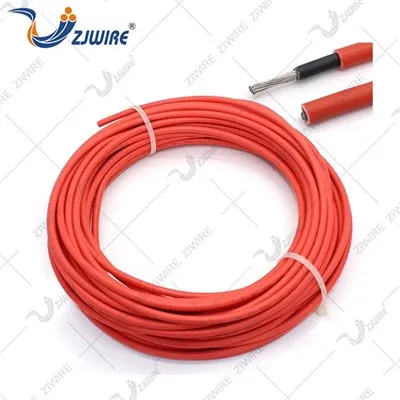
As a supplier of single core PVC insulated cables, I often encounter inquiries about the differences between single core and multi - core PVC insulated cables. In this blog, I will delve into the characteristics, applications, and advantages of both types to help you make an informed decision when it comes to cable selection.
Physical Structure
The most obvious difference between single core and multi - core PVC insulated cables lies in their physical structure. A single core PVC insulated cable consists of a single conductor covered with a layer of PVC insulation. This simple design makes the cable relatively thin and flexible. For example, the H05V - R single core cable is known for its flexibility, which makes it easy to install in tight spaces.
On the other hand, multi - core PVC insulated cables contain multiple conductors, each with its own insulation layer, and then all are wrapped in an outer PVC sheath. This construction results in a thicker and more rigid cable. The H07VVH2 - F multi - core cable, for instance, is a good example of a cable with multiple cores, which provides more complex wiring solutions in a single cable.
Electrical Performance
In terms of electrical performance, single core cables are typically used for applications that require the transmission of a single electrical signal or power supply. They offer low resistance and high current - carrying capacity for a given cross - sectional area. This is because the single conductor allows for a more direct path for the electrical current, reducing energy losses due to resistance.
Multi - core cables, however, are designed to transmit multiple electrical signals or power supplies simultaneously. Each core within the cable can carry a different electrical current or signal. For example, in a control panel, a multi - core cable can carry power, control signals, and feedback signals all at once. The H05VVH2 - F multi - core cable is often used in complex electrical systems where multiple lines of communication or power distribution are required.
Installation and Flexibility
Single core cables are much easier to install compared to multi - core cables. Their flexibility allows them to be easily bent and routed through conduits, cable trays, or other wiring channels. This makes them ideal for applications where cables need to be installed in tight spaces or where frequent re - routing is required. For example, in the installation of household electrical appliances, single core cables such as H05V - K can be quickly and easily connected to the electrical circuit.
Multi - core cables, due to their larger size and stiffness, require more careful planning during installation. They need to be properly supported to prevent damage to the individual cores. However, their ability to carry multiple signals or power supplies in a single cable reduces the overall number of cables that need to be installed, which can save space and reduce installation time in large - scale electrical systems.
Applications
Single core PVC insulated cables are widely used in a variety of applications. They are commonly found in household electrical wiring, where they are used to connect light fixtures, switches, and electrical outlets. In industrial settings, single core cables are used for powering small motors, control circuits, and other single - phase electrical equipment.
Multi - core cables have a broader range of applications. They are essential in complex electrical systems such as industrial control panels, automation systems, and telecommunications networks. In these applications, the ability to transmit multiple signals or power supplies in a single cable simplifies the wiring layout and reduces the risk of interference. The H07V - K multi - core cable is often used in industrial machinery for its ability to handle multiple functions simultaneously.
Cost Considerations
The cost of single core and multi - core PVC insulated cables can vary depending on several factors. Generally, single core cables are less expensive than multi - core cables. This is because they require less material and have a simpler manufacturing process. However, when considering the overall cost of an electrical installation, the number of cables required also plays a significant role. In some cases, using a multi - core cable can be more cost - effective, as it reduces the need for multiple single core cables and the associated installation costs.
Durability and Maintenance
Single core cables are relatively simple in structure, which makes them less prone to internal damage. The single conductor is less likely to be affected by internal stress or movement compared to the multiple conductors in a multi - core cable. However, they are more vulnerable to external damage, such as cuts or abrasions, due to their thinner insulation and single - conductor design.
Multi - core cables, with their outer sheath protecting multiple cores, offer better protection against external damage. However, if one of the cores within the cable is damaged, it can be more difficult to identify and repair compared to a single core cable. Regular inspection and maintenance are essential to ensure the proper functioning of multi - core cables, especially in applications where the cable is subject to mechanical stress or environmental factors.
Conclusion
In conclusion, the choice between single core and multi - core PVC insulated cables depends on the specific requirements of your electrical application. Single core cables are suitable for simple, low - complexity applications where flexibility and ease of installation are key. They are often more cost - effective for small - scale projects.
Multi - core cables, on the other hand, are designed for complex applications that require the transmission of multiple electrical signals or power supplies. They offer a more compact and efficient wiring solution but may require more careful installation and maintenance.
If you are still unsure which type of cable is right for your project, or if you are interested in purchasing high - quality single core PVC insulated cables, I encourage you to contact me for a consultation. I can provide you with detailed product information and help you select the most appropriate cable for your specific needs.