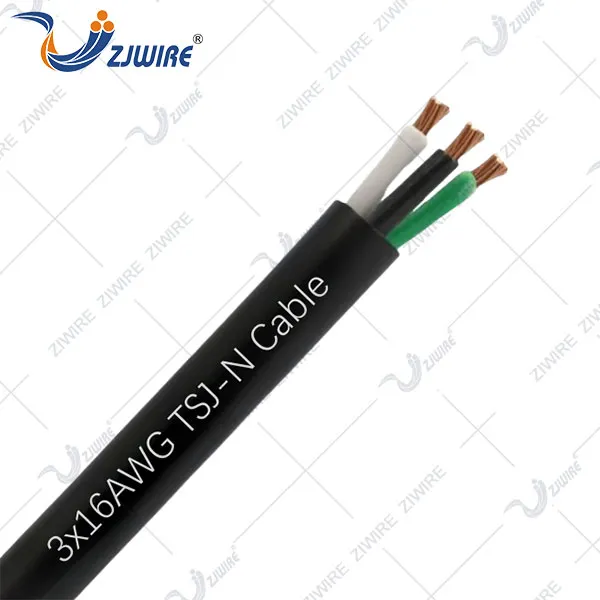
Rodents can be a real pain in the neck when it comes to PVC insulated double sheathed cables. As a supplier of these cables, I've seen firsthand the havoc these critters can wreak. But don't worry, I've got some tips and tricks to help you prevent rodents from damaging your cables.
First off, let's understand why rodents are so attracted to cables in the first place. Rodents have a natural urge to chew. Their teeth are constantly growing, and chewing on things helps keep them trimmed. PVC insulated double sheathed cables, with their soft outer sheaths, are like a tempting chew toy for these little guys. Plus, the warmth that cables can generate can also make them an appealing spot for rodents to nest.
Seal Entry Points
One of the most effective ways to keep rodents out is to seal off any possible entry points. Rodents can squeeze through surprisingly small holes. Check your building for cracks, gaps around pipes, and holes in the walls. Use caulk, steel wool, or wire mesh to seal these openings. Make sure to pay special attention to areas where cables enter the building. A small gap here can be an open invitation for rodents.
Keep the Area Clean
Rodents are attracted to food sources. If you have a cluttered area around your cables, it can provide hiding places and even potential food for them. Keep the area clean and free of debris. Remove any food scraps, crumbs, or spilled liquids. This will make your cable area less appealing to rodents.
Use Rodent-Resistant Cables
When it comes to preventing rodent damage, choosing the right cable is crucial. Some cables are designed to be more rodent-resistant than others. For example, UL1283 Cable is known for its durability and resistance to rodent bites. The outer sheath of this cable is made of a tough material that rodents find difficult to chew through.
Another option is SPT-2 cable. This cable has a double sheathed design that provides an extra layer of protection against rodent damage. The inner and outer sheaths work together to create a barrier that rodents have a hard time getting through.
TSJ Cable is also a great choice. It is designed with a special coating that makes it less appealing to rodents. The coating can deter rodents from chewing on the cable, reducing the risk of damage.
Install Rodent Deterrents
There are several types of rodent deterrents that you can use to keep rodents away from your cables. One option is to use ultrasonic devices. These devices emit high-frequency sounds that are unpleasant to rodents but are inaudible to humans. You can place these devices near your cables to keep rodents at bay.
Another option is to use natural deterrents. Peppermint oil, for example, is known to repel rodents. You can soak cotton balls in peppermint oil and place them around your cables. The strong smell will discourage rodents from coming near.
Regular Inspections
Regular inspections are key to preventing rodent damage. Check your cables regularly for signs of chewing or damage. Look for small holes, frayed wires, or any other signs that rodents have been nibbling on your cables. If you notice any damage, take action immediately. Replace the damaged cable and take steps to prevent further damage.
Storage
Proper storage of your cables can also help prevent rodent damage. Store your cables in a dry, clean area. Keep them off the ground and away from walls where rodents can easily access them. You can use cable racks or storage containers to keep your cables organized and protected.
Educate Your Staff
If you have employees or staff who work with the cables, it's important to educate them about the importance of rodent prevention. Teach them how to identify signs of rodent activity and what to do if they notice any damage. Encourage them to report any issues immediately so that you can take action.
Work with a Professional
If you're having a persistent rodent problem, it may be a good idea to work with a professional pest control company. They have the expertise and tools to effectively deal with rodent infestations. They can also provide you with advice on how to prevent future problems.
In conclusion, preventing rodent damage to PVC insulated double sheathed cables requires a combination of strategies. By sealing entry points, keeping the area clean, using rodent-resistant cables, installing deterrents, conducting regular inspections, storing cables properly, educating your staff, and working with a professional, you can significantly reduce the risk of rodent damage.
If you're in the market for high-quality PVC insulated double sheathed cables, we've got you covered. Our cables are designed to be durable and resistant to rodent damage. Whether you need UL1283 Cable, SPT-2, or TSJ Cable, we can provide you with the right solution for your needs. Contact us today to discuss your cable requirements and start protecting your cables from rodent damage.