


Hey there, fellow solar enthusiasts! I'm a supplier of solar cables, and today I'm gonna talk about how to properly ground solar cables. Grounding is a crucial aspect of any solar power system, and getting it right can make a huge difference in terms of safety and performance.
First off, let's understand why grounding is so important. When you're dealing with solar panels and cables, there's always a risk of electrical faults. These faults can lead to dangerous situations, like electric shocks or even fires. Grounding provides a safe path for electrical current to flow in case of a fault, diverting it away from people and equipment.
Now, let's get into the nitty - gritty of how to ground solar cables.
Step 1: Choose the Right Cables
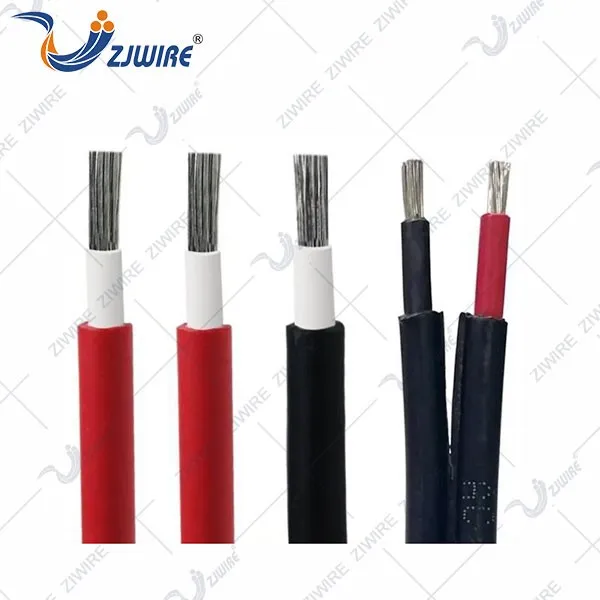
As a solar cable supplier, I know how important it is to pick the right cables for your system. We offer a range of high - quality cables like PV1 - F - AL, PV1 - F, and Solar PV Cables(Single). These cables are designed to withstand the harsh conditions of solar installations, including UV radiation, temperature variations, and moisture.
When it comes to grounding, you need cables that are specifically designed for this purpose. Grounding cables should have a low resistance to ensure that electrical current can flow easily to the ground. They also need to be durable and able to handle the electrical load.
Step 2: Determine the Grounding Point
The next step is to find the right grounding point. This is usually a metal rod or plate that is buried in the ground. The grounding point should be located in an area where the soil has good conductivity. Moist soil is better than dry soil because it allows for better electrical flow.
You can use a soil resistivity meter to measure the resistivity of the soil at different locations. A lower resistivity means better conductivity. Once you've found a suitable location, drive the grounding rod into the ground. It should be at least 8 feet deep to ensure a good connection with the earth.
Step 3: Connect the Cables to the Grounding Point
Now that you have your grounding point, it's time to connect the solar cables to it. First, you'll need to strip the insulation from the end of the grounding cable. Make sure you expose enough of the conductor to make a good connection.
Then, use a grounding clamp to attach the cable to the grounding rod. The clamp should be tight to ensure a low - resistance connection. You can also use a bonding jumper to connect multiple grounding points together if needed.
Step 4: Check the Grounding System
After you've connected the cables, it's important to check the grounding system to make sure it's working properly. You can use a ground resistance tester to measure the resistance of the grounding system. The resistance should be as low as possible, ideally less than 5 ohms.
If the resistance is too high, you may need to add more grounding rods or improve the soil conductivity. You can do this by adding salt or water to the soil around the grounding rod.
Step 5: Follow Local Codes and Regulations
It's crucial to follow local codes and regulations when grounding solar cables. Different areas may have different requirements, so make sure you check with your local electrical authority before starting your installation.
Some codes may require specific types of grounding materials or installation methods. By following these regulations, you can ensure that your solar power system is safe and compliant.

Common Mistakes to Avoid
- Inadequate Grounding: One of the most common mistakes is not grounding the system properly. This can lead to electrical hazards and damage to your equipment. Make sure you follow the steps I've outlined above to ensure a proper grounding.
- Using the Wrong Cables: Using cables that are not designed for grounding can also be a problem. Make sure you use cables that are specifically rated for grounding applications.
- Poor Connections: Loose or corroded connections can increase the resistance of the grounding system. Make sure all connections are tight and free of corrosion.
Conclusion
Properly grounding solar cables is essential for the safety and performance of your solar power system. By following these steps and avoiding common mistakes, you can ensure that your system is well - grounded and operating safely.
If you're in the market for high - quality solar cables, I'm here to help. As a solar cable supplier, I can provide you with the right cables for your project. Whether you need PV1 - F - AL, PV1 - F, or Solar PV Cables(Single), I've got you covered.
If you have any questions or want to discuss your solar cable needs, feel free to reach out. Let's work together to make your solar project a success!


