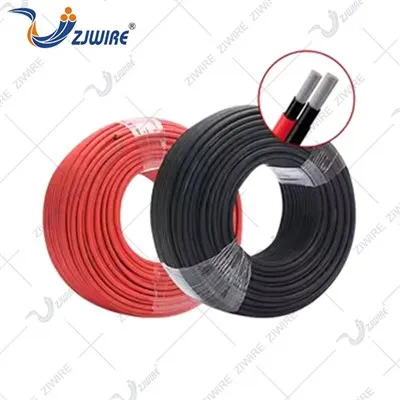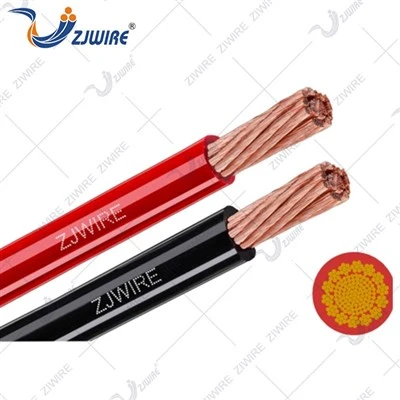
Non-metallic sheathed cable, also known as NM cable, is a popular choice for electrical wiring in residential and light commercial applications due to its flexibility, ease of installation, and cost - effectiveness. However, it is vulnerable to physical damage, which can lead to safety hazards and costly repairs. As a non - metallic sheathed cable supplier, I understand the importance of protecting this cable from physical damage. In this blog, I'll share some effective strategies to safeguard non - metallic sheathed cables.
Understanding the Risks of Physical Damage
Before delving into protection methods, it's crucial to recognize the common sources of physical damage to non - metallic sheathed cables. These include mechanical stress, such as being pinched, crushed, or cut during installation or subsequent construction work. Rodents and insects can also pose a significant threat, as they may chew through the cable's outer sheath, exposing the conductors. Additionally, environmental factors like extreme temperatures, moisture, and UV radiation can degrade the cable's insulation over time.
Proper Installation Techniques
The foundation of protecting non - metallic sheathed cable starts with proper installation. Here are some key installation practices:
- Use Appropriate Fasteners: When securing the cable, use approved fasteners such as cable staples or clips. These should be sized correctly to avoid pinching or damaging the cable. For example, staples should have a wide enough crown to distribute the pressure evenly along the cable's surface.
- Maintain Proper Bending Radius: Non - metallic sheathed cables have specific bending radius requirements. Bending the cable too sharply can cause internal damage to the conductors and insulation. Refer to the manufacturer's guidelines to ensure the cable is bent within the recommended radius during installation.
- Avoid Overcrowding: In junction boxes and conduit systems, avoid overcrowding the cables. Overcrowding can lead to abrasion between cables and increase the risk of damage. Ensure that there is enough space for each cable to move freely without being compressed.
Protection in the Installation Environment
The environment where the non - metallic sheathed cable is installed plays a significant role in its protection.
- Conduit and Raceway Installation: In areas where the cable is exposed to potential physical damage, such as in unfinished basements or crawl spaces, consider installing the cable in a conduit or raceway. Conduits provide a protective barrier against impacts, abrasions, and moisture. Metal or rigid PVC conduits are commonly used for this purpose.
- Cable Trays: For longer cable runs in commercial or industrial settings, cable trays can be an excellent option. Cable trays support the cable and prevent it from being dragged or crushed. They also allow for easy access and maintenance.
- Sealing and Gasketing: In areas where moisture or dust is a concern, use proper sealing and gasketing techniques. Seal all penetrations in walls, floors, and ceilings where the cable passes through to prevent water and debris from entering. This helps to protect the cable from corrosion and other forms of damage.
Protection Against Rodents and Insects
Rodents and insects can cause significant damage to non - metallic sheathed cables. Here are some ways to protect against them:
- Rodent - Resistant Cables: Some manufacturers offer rodent - resistant non - metallic sheathed cables. These cables are designed with a tough outer layer that is less likely to be chewed through by rodents. Consider using these cables in areas where rodent infestation is a common problem.
- Physical Barriers: Install physical barriers such as wire mesh or metal shields around the cable. This can prevent rodents and insects from accessing the cable directly. Make sure the barriers are properly installed and maintained.
- Pest Control Measures: Implement regular pest control measures in the building. This includes keeping the area clean, sealing any entry points for pests, and using traps or baits as necessary.
Protection from Environmental Factors
Environmental factors can have a long - term impact on the integrity of non - metallic sheathed cables.
- Temperature Control: Extreme temperatures can cause the cable's insulation to expand or contract, leading to cracks and other forms of damage. In areas with high or low temperatures, consider using cables with appropriate temperature ratings. For example, in hot environments, cables rated for higher temperatures should be used.
- Moisture Protection: Moisture can cause corrosion of the conductors and degradation of the insulation. Use moisture - resistant cables in damp areas and ensure proper drainage around the cable installation. Additionally, consider using waterproof enclosures for junction boxes and other electrical components.
- UV Protection: If the cable is exposed to sunlight, UV radiation can damage the outer sheath. Use UV - resistant cables or provide shading for the cable to prevent UV damage.
Regular Inspection and Maintenance
Regular inspection and maintenance are essential for detecting and preventing physical damage to non - metallic sheathed cables.


- Visual Inspections: Conduct regular visual inspections of the cable installation. Look for signs of physical damage such as cuts, abrasions, or bulges in the cable sheath. Check for any signs of rodent or insect activity, such as chew marks or droppings.
- Testing: Periodically test the cable's electrical properties to ensure its integrity. This can include insulation resistance testing and continuity testing. If any issues are detected, take immediate action to repair or replace the damaged cable.
Product - Specific Considerations
As a non - metallic sheathed cable supplier, I also want to highlight the features of some specific cable types. For instance, TW Cable is known for its flexibility and is suitable for a variety of applications. It is important to follow the installation and protection guidelines specific to this cable type. Similarly, UL1332 Cable and UL2587 Cable have their own unique characteristics, and proper protection measures should be taken based on their specific requirements.
Conclusion
Protecting non - metallic sheathed cable from physical damage is crucial for ensuring the safety and reliability of electrical systems. By following proper installation techniques, providing protection in the installation environment, guarding against pests and environmental factors, and conducting regular inspections, you can significantly reduce the risk of damage to the cable.
As a non - metallic sheathed cable supplier, we are committed to providing high - quality cables and offering comprehensive support to our customers. If you are interested in purchasing non - metallic sheathed cables or need more information on cable protection, please feel free to contact us for further discussions. We look forward to working with you to meet your electrical wiring needs.
References
- National Electrical Code (NEC)
- Manufacturer's installation and maintenance guidelines for non - metallic sheathed cables
- Industry standards for cable protection and installation