Hey there! As a supplier of PVC insulated nylon sheathed cables, I often get asked a bunch of questions about the products we offer. One question that pops up quite a bit is, "Is PVC insulated nylon sheathed cable resistant to salt spray?" Well, let's dig into this topic and find out.
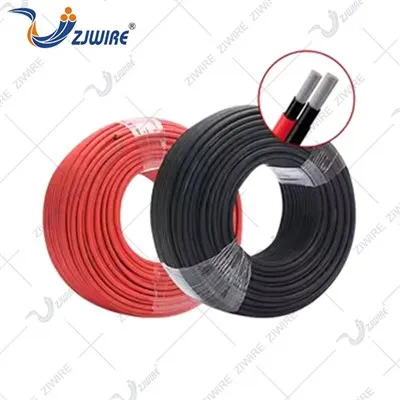
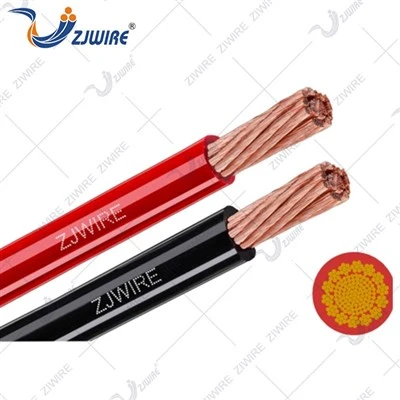
First off, let's understand what PVC insulated nylon sheathed cables are. These cables have a core that's insulated with PVC (polyvinyl chloride), which is a widely used plastic known for its electrical insulation properties. The outer layer is made of nylon, a strong and durable synthetic polymer. This combination gives the cable some great features like flexibility, abrasion resistance, and good mechanical strength.
Now, let's talk about salt spray. Salt spray is basically a mist of salty water, and it's a common problem in coastal areas, ships, and some industrial settings. When metal parts are exposed to salt spray, they can rust and corrode over time. But we're not talking about metal here; we're talking about PVC and nylon.
PVC is a pretty stable material. It doesn't react easily with most chemicals, including the salts in salt spray. It has good chemical resistance, which means it can withstand the corrosive effects of salt to a certain extent. The nylon sheath also adds an extra layer of protection. Nylon is known for its toughness and resistance to wear and tear. It can act as a barrier, preventing the salt spray from directly reaching the PVC insulation.
However, saying that these cables are completely resistant to salt spray would be a bit of an overstatement. Over a long period of time and under harsh conditions, the salt spray can still have some impact. For example, if the cable is constantly exposed to high - concentration salt spray, the nylon sheath might start to degrade slightly. The salt can cause some discoloration and might even affect the surface smoothness of the nylon.
In the case of the PVC insulation, although it's chemically resistant, the long - term presence of salt can potentially affect its electrical properties. The salt can absorb moisture from the air, and if this moisture gets into the cable, it can increase the conductivity and reduce the insulation resistance. This can be a problem, especially in applications where high - quality electrical insulation is crucial.
To test the salt - spray resistance of our PVC insulated nylon sheathed cables, we usually conduct salt - spray tests. These tests involve exposing the cables to a controlled environment with a specific concentration of salt spray for a set period of time. We then check for any signs of damage, such as corrosion, cracking, or changes in electrical properties.
Based on our test results, our cables can withstand salt - spray exposure for a reasonable amount of time. But for applications in extremely harsh salt - spray environments, like on offshore oil rigs or in ships that are constantly at sea, we might recommend some additional protective measures. For example, we can apply a special coating on the nylon sheath to enhance its salt - spray resistance.
Now, let's take a look at some of the specific types of cables we offer. We have the UL1007 Cable, which is a popular choice for general - purpose electrical wiring. It has a PVC insulation and a nylon sheath, and it performs well in normal salt - spray conditions. The UL1007 Cable is designed to meet certain safety and performance standards, and its salt - spray resistance is within the acceptable range for most common applications.
Another option is the UL2426 Cable. This cable is often used in more demanding applications, such as in automotive wiring. It has a more robust construction, and its salt - spray resistance is also quite good. The nylon sheath on the UL2426 Cable provides an extra layer of protection against the corrosive effects of salt spray.
We also offer the UL2468 Cable. This cable is suitable for high - temperature and high - voltage applications. It has been tested for salt - spray resistance, and it can handle salt - spray exposure in environments where other cables might fail.
If you're in an industry where salt - spray resistance is a major concern, like the marine industry or coastal construction, you need to carefully consider the type of cable you choose. You should also think about the level of salt - spray exposure. If it's a mild exposure, our standard PVC insulated nylon sheathed cables should work just fine. But if it's a severe exposure, you might want to have a chat with us to see if we can customize a cable with enhanced salt - spray resistance.


We understand that every customer's needs are different. That's why we're always ready to work with you to find the best cable solution for your specific application. Whether you need a cable for a small - scale project or a large - scale industrial installation, we have the expertise and the products to meet your requirements.
So, if you're interested in our PVC insulated nylon sheathed cables and want to know more about their salt - spray resistance or any other features, don't hesitate to reach out. We're here to answer all your questions and help you make the right choice. You can start a conversation with us to discuss your project details and get a quote. We're confident that we can provide you with high - quality cables that will perform well in your salt - spray environment.
In conclusion, while PVC insulated nylon sheathed cables have a certain level of salt - spray resistance, it's important to understand the limitations. By considering the application environment and taking appropriate measures, we can ensure that these cables work effectively and safely. If you're in the market for a reliable cable solution, give us a chance to show you what we can do.
References
- "Plastics in Electrical Applications" - A technical guide on the properties and uses of plastics in electrical wiring.
- "Salt - Spray Testing Standards" - Industry standards for testing the corrosion resistance of materials.