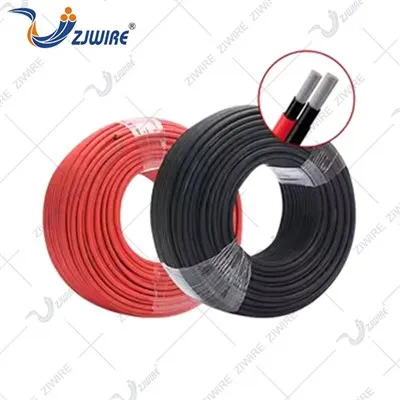
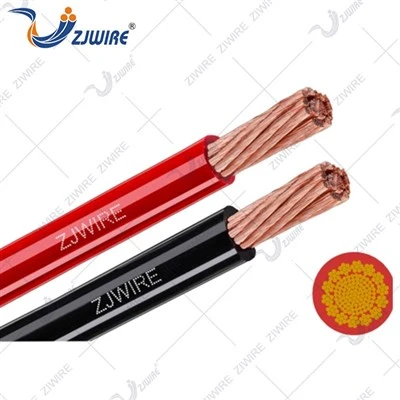
Is PVC Insulated Nylon Sheathed Cable Suitable for Home Appliances?


Hey there! I'm a supplier of PVC insulated nylon sheathed cables, and I often get asked whether these cables are a good fit for home appliances. Well, let's dig into this topic and find out.
First off, let's talk about what PVC insulated nylon sheathed cables are. PVC, or polyvinyl chloride, is a widely used plastic material. It's known for its excellent electrical insulation properties, which means it can prevent electricity from leaking out and causing short - circuits or other electrical hazards. The nylon sheath, on the other hand, adds an extra layer of protection. Nylon is tough, abrasion - resistant, and can withstand a certain amount of mechanical stress.
When it comes to home appliances, safety is always the top priority. PVC insulated nylon sheathed cables have a lot going for them in terms of safety. The PVC insulation helps to keep the electrical current flowing within the cable, reducing the risk of electric shock. And the nylon sheath can protect the cable from being damaged by sharp objects or being rubbed against rough surfaces in the home environment. For example, in a household where there are children or pets, the nylon sheath can prevent them from accidentally chewing through the cable and getting electrocuted.
Another important factor is durability. Home appliances are expected to last for a long time, and so are the cables that power them. PVC insulated nylon sheathed cables are built to last. The PVC insulation is resistant to heat, chemicals, and moisture to a certain degree. This means that in a kitchen environment, where there might be steam, grease, and occasional spills, the cable can still function properly without getting damaged easily. The nylon sheath further enhances the cable's durability by providing an extra barrier against wear and tear.
In terms of flexibility, these cables are also quite good. Most home appliances need cables that can be bent and maneuvered easily. PVC insulated nylon sheathed cables are flexible enough to be routed around corners and through small spaces. This makes them suitable for a wide range of home appliances, from small table lamps to larger appliances like refrigerators and washing machines.
Now, let's compare PVC insulated nylon sheathed cables with some other types of cables commonly used in home appliances. For instance, TW Cable. TW cables are also used in various electrical applications, but they might not have the same level of mechanical protection as PVC insulated nylon sheathed cables. The nylon sheath in our cables gives an added edge in terms of withstanding physical abuse.
UL758 Cable is another type of cable. UL758 cables are designed to meet certain safety standards, but PVC insulated nylon sheathed cables can also meet or even exceed some of these standards, especially when it comes to mechanical protection and flexibility.
UL20276 Cable is often used in low - voltage applications. While it has its own advantages, PVC insulated nylon sheathed cables can be used in a wider range of voltage levels and are more versatile for different home appliances.
However, it's not all sunshine and rainbows. There are a few limitations to consider. PVC insulated nylon sheathed cables might be a bit more expensive than some other basic cables. But when you think about the long - term benefits in terms of safety and durability, the extra cost is often worth it. Also, in extremely high - temperature environments, the PVC insulation might start to degrade over time. But in normal home use, this is rarely a problem.
So, overall, PVC insulated nylon sheathed cables are highly suitable for home appliances. They offer a good balance of safety, durability, and flexibility. Whether you're a homeowner looking to replace the cables in your appliances or an appliance manufacturer looking for a reliable cable solution, these cables are definitely worth considering.
If you're interested in learning more about our PVC insulated nylon sheathed cables or are thinking about making a purchase, I'd love to have a chat with you. We can discuss your specific needs and find the best cable solution for your home appliances. Don't hesitate to reach out and start a conversation about procurement.
References
- Electrical Wiring Handbook, various editions
- Industry reports on cable materials and their applications in home appliances