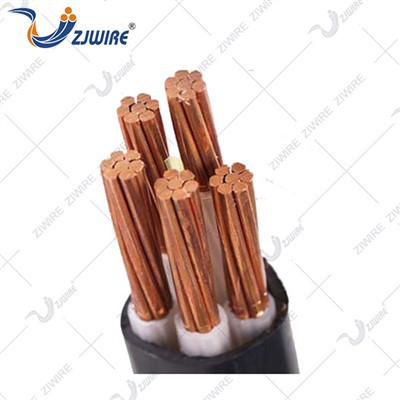
If you've ever stood in front of a wiring project-whether you're rewiring a kitchen, setting up industrial machinery, or troubleshooting a home automation system-you know how overwhelming it can be to pick the right cable. Every type has its quirks: some are too fragile for rough environments, others can't handle temperature swings, and a few just don't hold up when you need consistent performance. As a supplier of PVC insulated nylon sheathed cable, I've spent years walking customers through their options, and the truth is, this cable isn't just another pick-it's a workhorse that solves a lot of the common pain points people face with wiring. Let's break down why PVC insulated nylon sheathed cable has become a go-to for professionals and DIYers alike, and why it might be the right fit for your next project.
First, let's start with the basics, because understanding the core materials is key to its advantages. PVC (polyvinyl chloride) is one of the most widely used insulation materials in wiring for a reason. It's flexible, resistant to moisture, and can be formulated to handle a range of temperatures, making it ideal for indoor and many covered outdoor applications. The nylon sheath, on the other hand, adds a tough, abrasion-resistant outer layer that's a step up from standard PVC jacketing. Together, these two materials create a cable that's balanced for durability and functionality, but the advantages go far beyond just the materials themselves.
One of the biggest draws of PVC insulated nylon sheathed cable is its exceptional durability, especially when it comes to physical wear. Nylon is known for being scratch-resistant, tear-resistant, and tough enough to stand up to rough handling, tight spaces, or installations where the cable might rub against walls, studs, or other surfaces. I've had customers tell me they've used this cable in basement remodels where nails and screws are a constant risk-unlike thinner, unprotected cables that often get nicked during installation, the nylon sheath holds up without fraying or exposing the inner PVC insulation. This durability doesn't just make installation easier; it also reduces the risk of future damage. A nicked cable can lead to shorts, electrical failures, or even fire hazards, so that extra layer of protection is a big win for anyone looking for long-term reliability.
Temperature resistance is another key advantage that sets this cable apart. PVC insulation can be engineered to perform across a moderate temperature range, typically from around -20°C (-4°F) to 80°C (176°F), which covers most indoor and outdoor environments where wiring is common. The nylon sheath adds a boost here too-it resists melting, warping, or becoming brittle when exposed to extreme heat or cold. For example, if you're running wiring in an attic that gets hot in the summer, or a basement that gets chilly in the winter, this cable won't lose its flexibility or insulation properties. Compare that to some older wiring types that become stiff and brittle in cold weather, making them hard to pull through walls or prone to cracking over time, or others that soften in high heat, risking insulation breakdown. This consistent performance across temperature extremes makes PVC insulated nylon sheathed cable versatile for a wide range of settings.
Electrical performance is non-negotiable when it comes to wiring, and this cable delivers there too. The PVC insulation provides excellent dielectric strength, meaning it can withstand voltage without breaking down, which is critical for preventing electrical leaks or shorts. The nylon outer layer doesn't interfere with this insulation; if anything, it adds an extra barrier against environmental factors that could compromise electrical performance, like moisture, dust, or chemicals. Many customers use this cable for general-purpose applications, and they appreciate that it meets industry standards for electrical safety-from residential wiring to small industrial setups. It's also worth noting that PVC insulated nylon sheathed cable is available in various gauges and configurations, so it can be tailored for different voltage and current needs, from low-voltage signal applications to higher-voltage power circuits.
Flexibility is another underrated advantage. While the nylon sheath is tough, the combination with PVC insulation keeps the cable flexible enough to work with. Some thick, heavily insulated cables can be stiff, making them hard to maneuver through tight corners, around pipes, or through conduit. PVC insulated nylon sheathed cable, however, retains a good bend radius-you don't have to force it around sharp turns, which makes installation faster and reduces the risk of damaging the cable during pulling. I often recommend it for DIYers who might not have professional tools or experience with rigid cables, as it's easier to work with than many alternatives, while still being tough enough to hold up once installed.
Cost-effectiveness is a big selling point too. Compared to specialized cables designed for extreme conditions (like high-temperature silicone cables or heavy-armored industrial cables), PVC insulated nylon sheathed cable is more affordable, making it a budget-friendly option for large projects. It's also widely available, which means you don't have to wait for special orders or pay premium prices for something that's in stock and ready to use. But don't confuse affordability with low quality-this cable is manufactured to meet strict safety standards, so you're not cutting corners on reliability to save money. It's a middle ground that balances performance and cost, which is why it's popular with homeowners, electricians, and small business owners alike.
Let's talk about real-world use cases to put these advantages in perspective. A few months ago, a customer who runs a small appliance repair business came to me looking for a reliable cable to replace old wiring in refrigerators and washing machines. He had tried a cheaper PVC-only cable, but it kept getting damaged when he pulled it through the tight spaces in appliance frames, leading to returns and repairs. Switching to PVC insulated nylon sheathed cable solved that problem-its tough nylon sheath held up to the tight corners and sharp edges inside appliances, and the PVC insulation handled the temperature fluctuations from the appliance's motor. Another customer was wiring a workshop, where cables would be run near power tools, metal shelves, and areas where there might be occasional spills. The nylon sheath resisted scratches from tool casings and minor spills of oil or cleaning supplies, and the PVC insulation protected against electrical shorts from the tools.
It's also worth noting that PVC insulated nylon sheathed cable fits well alongside other common wiring types in the industry. For example, if you need a flexible, insulated wire for low-voltage signal applications, our Semi‑Rigid PVC Hook‑up Wire / SR‑PVC Hook‑up Wire is a complementary option that works well for control circuits or small signal loads. If you're working on a multi-conductor signal project, our Multi‑Conductor AWM Signal Cable is designed for applications that need multiple conductors in a single cable, while our Multi‑conductor Signal Cable is another reliable choice for signal transmission. For appliance and general hook-up needs, our General‑Purpose Appliance Hook‑up Wire is a perfect match for smaller, simpler circuits, and for industrial control setups, our Multi‑Core PVC Equipment Control Cable handles higher-load control applications. These options make it easy to pair PVC insulated nylon sheathed cable with other solutions for larger projects, so you don't have to compromise on performance for different parts of your wiring job.
Of course, no cable is perfect for every job, and it's important to note where PVC insulated nylon sheathed cable excels. It's ideal for indoor use, covered outdoor applications (like under porches or in utility sheds), and general-purpose wiring where durability, flexibility, and cost-effectiveness are priorities. It's not designed for direct burial in soil, for use in extremely high-temperature environments (like near furnaces or in industrial ovens), or for underwater applications-for those, we recommend specialized cables designed for those specific conditions. But for 80% of the wiring projects I work on, PVC insulated nylon sheathed cable is the first pick because it checks all the key boxes.
As someone who's been in the cable industry for years, the biggest value I see in this cable is its reliability. Too often, wiring is an afterthought until something goes wrong-then you realize how important it is to have a product that will last. PVC insulated nylon sheathed cable doesn't just meet basic safety standards; it's built to withstand the everyday wear and tear of installation and use, which means fewer callbacks, fewer repairs, and peace of mind that your wiring will work when you need it.
Whether you're a homeowner tackling a DIY project, an electrician working on a commercial build, or a business owner maintaining equipment, choosing the right cable is critical. PVC insulated nylon sheathed cable offers a unique combination of durability, electrical performance, flexibility, and cost-effectiveness that's hard to beat. If you're ready to learn more about how this cable can work for your project, or if you'd like to discuss specific gauges, configurations, or applications, feel free to reach out for a consultation and pricing. We're here to help you find the right wiring solution for your needs, so you can get your project done safely and efficiently.