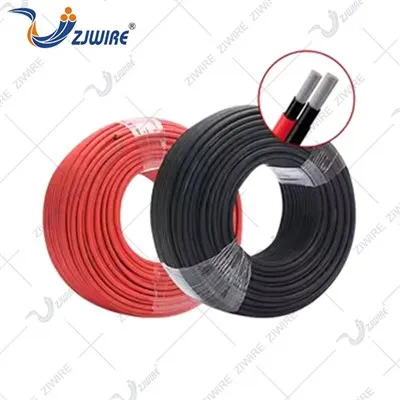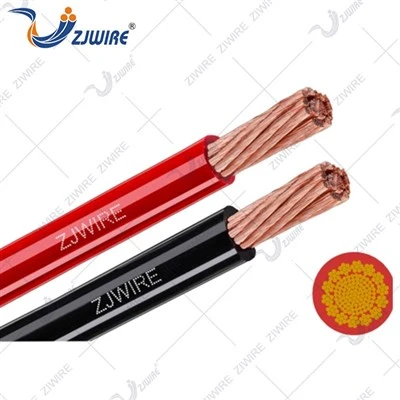
Non-metallic sheathed cable, commonly known as NM cable, is a type of electrical wiring that is widely used in residential and light commercial buildings. As a leading supplier of non-metallic sheathed cables, I have had the opportunity to work closely with these products and understand their various characteristics, especially those related to insulation. In this blog post, I will delve into the key characteristics of non-metallic sheathed cable insulation, highlighting its importance and how it contributes to the overall performance and safety of the cable.
1. Material Composition
The insulation of non-metallic sheathed cable is typically made from thermoplastic materials. These materials are chosen for their excellent electrical insulating properties, flexibility, and resistance to environmental factors. One of the most commonly used thermoplastics in NM cable insulation is polyvinyl chloride (PVC). PVC insulation offers a good balance of mechanical strength and electrical insulation. It is resistant to moisture, chemicals, and abrasion, which makes it suitable for a wide range of indoor applications.
Another material that may be used in more specialized non-metallic sheathed cables is cross-linked polyethylene (XLPE). XLPE insulation has superior electrical properties compared to PVC, especially at higher temperatures. It has a higher melting point and better resistance to heat aging, which allows the cable to carry more current without overheating. XLPE-insulated non-metallic sheathed cables are often used in applications where higher power ratings are required, such as in industrial or commercial buildings.
2. Electrical Insulation Properties
The primary function of the insulation in non-metallic sheathed cable is to prevent the flow of electric current between the conductors and to the surrounding environment. Good electrical insulation is crucial for the safety and proper functioning of the cable. The insulation resistance of non-metallic sheathed cable is typically very high, which means that it offers a large amount of opposition to the flow of current through the insulation.
The dielectric strength of the insulation is another important electrical property. Dielectric strength is the maximum electric field that the insulation can withstand without breaking down and allowing current to flow through it. Non-metallic sheathed cable insulation is designed to have a high dielectric strength to ensure that it can safely insulate the conductors under normal operating conditions and even under transient voltage surges.
3. Thermal Resistance
Thermal resistance is an important characteristic of non-metallic sheathed cable insulation. As the cable carries electrical current, it generates heat due to the resistance of the conductors. The insulation must be able to withstand this heat without degrading or losing its insulating properties.
PVC insulation, for example, has a relatively low continuous operating temperature rating, typically around 60°C to 75°C. This means that it can safely operate at these temperatures without significant degradation. However, if the temperature exceeds this rating, the PVC insulation may start to soften, become brittle, or even melt, which can lead to a short circuit or other electrical hazards.
XLPE insulation, on the other hand, has a much higher continuous operating temperature rating, often up to 90°C or even higher. This makes it more suitable for applications where the cable may be exposed to higher temperatures, such as in areas close to heat sources or in high-power electrical systems.
4. Mechanical Properties
The insulation of non-metallic sheathed cable also needs to have good mechanical properties to withstand the stresses and strains that it may encounter during installation and use. It should be flexible enough to allow for easy bending and routing of the cable, especially in tight spaces. At the same time, it should be strong enough to resist abrasion, impact, and tearing.
PVC insulation is known for its flexibility, which makes it easy to install. It can be bent around corners and through conduits without cracking or breaking. However, it may be more prone to damage from sharp objects or excessive pulling compared to XLPE insulation.
XLPE insulation is generally more rigid than PVC insulation, but it also has better resistance to mechanical damage. It can withstand higher levels of impact and abrasion, which makes it more suitable for applications where the cable may be exposed to harsh physical conditions.
5. Flame Resistance
Flame resistance is a critical characteristic of non-metallic sheathed cable insulation, especially in buildings where fire safety is a major concern. Non-metallic sheathed cables are often required to meet certain flame resistance standards to ensure that they do not contribute to the spread of fire in case of an electrical fault.
Many non-metallic sheathed cables are designed with flame-retardant insulation materials. These materials are formulated to self-extinguish when the source of ignition is removed, which helps to prevent the fire from spreading along the cable. For example, PVC insulation can be made flame-retardant by adding special additives during the manufacturing process.
In addition to self-extinguishing properties, some non-metallic sheathed cables may also have low smoke and toxicity characteristics. This means that in the event of a fire, they produce less smoke and fewer toxic gases, which can improve the safety of occupants in the building.
6. Chemical Resistance
Non-metallic sheathed cable insulation may be exposed to various chemicals during its service life, such as cleaning agents, solvents, and environmental pollutants. Therefore, it is important for the insulation to have good chemical resistance to prevent damage and degradation.
PVC insulation has good resistance to many common chemicals, including water, acids, and alkalis. However, it may be affected by some organic solvents and oils. XLPE insulation generally has better chemical resistance than PVC insulation, especially to solvents and oils. It can withstand exposure to a wider range of chemicals without significant degradation.
7. Environmental Considerations
In recent years, there has been an increasing focus on environmental sustainability in the electrical industry. Non-metallic sheathed cable insulation should be designed to have minimal environmental impact. Some manufacturers are now using more environmentally friendly materials in their insulation, such as bio-based polymers or recyclable plastics.


Recyclability is an important aspect of environmental sustainability. Non-metallic sheathed cables with recyclable insulation can be easily separated from the conductors and recycled at the end of their service life, which helps to reduce waste and conserve resources.
Conclusion
As a supplier of non-metallic sheathed cables, I understand the importance of the insulation characteristics in ensuring the safety, performance, and reliability of the cables. The insulation of non-metallic sheathed cable must have a combination of good electrical, thermal, mechanical, flame-resistant, chemical-resistant, and environmentally friendly properties.
Whether you are looking for a standard NM Cable for residential wiring or a specialized UL10276 Cable or UL10269 Cable for industrial applications, we can provide you with high-quality non-metallic sheathed cables that meet your specific requirements. Our cables are manufactured using the latest technology and strict quality control measures to ensure that they have the best insulation characteristics.
If you are interested in purchasing non-metallic sheathed cables or have any questions about our products, please feel free to contact us for a detailed discussion. We are committed to providing you with the best solutions for your electrical wiring needs.
References
- Electrical Wiring Handbook, McGraw-Hill
- National Electrical Code (NEC)
- UL Standards for Electrical Cables