


Automotive wire terminals are crucial components in the electrical systems of vehicles. As an automotive wire supplier, I've had the opportunity to work with a wide range of these terminals, each designed for specific applications and requirements. In this blog, I'll explore the different types of automotive wire terminals, their characteristics, and their uses.
Blade Terminals
Blade terminals are one of the most common types of automotive wire terminals. They are flat and have a blade-like shape, which allows them to be easily inserted into corresponding sockets or connectors. Blade terminals come in various sizes, typically ranging from 0.25 inches to 0.4 inches in width. The size of the blade terminal is determined by the amperage rating it can handle. For example, smaller blade terminals are suitable for low - current applications such as dashboard lights or radio connections, while larger ones are used for high - current circuits like starter motors or power windows.
One of the advantages of blade terminals is their simplicity and ease of installation. They can be quickly connected and disconnected, making them ideal for applications where frequent maintenance or component replacement is required. Additionally, blade terminals provide a secure electrical connection, reducing the risk of loose connections that could lead to electrical failures.
Ring Terminals
Ring terminals are circular in shape with a hole in the center. They are designed to be connected to a stud or bolt, providing a reliable and permanent electrical connection. Ring terminals are commonly used in applications where a wire needs to be attached to a grounding point or a power source. For instance, in a car's battery connection, ring terminals are used to connect the battery cables to the battery posts.
The size of a ring terminal is determined by the diameter of the hole in the center, which must match the size of the stud or bolt it will be connected to. Ring terminals are available in different materials, such as copper and brass. Copper ring terminals are preferred for their excellent electrical conductivity, while brass ring terminals are more corrosion - resistant and are often used in harsh environments.
Spade Terminals
Spade terminals, also known as fork terminals, have a flat, spade - shaped end. They are similar to blade terminals but are wider and have a more open design. Spade terminals are easy to install and can be used in a variety of applications, including connecting wires to switches, relays, and other electrical components.
One of the key features of spade terminals is their ability to provide a quick and secure connection. They can be easily snapped onto a terminal post or inserted into a corresponding connector. Spade terminals are available in different sizes and styles, allowing them to be used in a wide range of automotive electrical systems.
Bullet Terminals
Bullet terminals are cylindrical in shape and have a male and female end. They are designed to be pushed together to form an electrical connection. Bullet terminals are commonly used in applications where a temporary or semi - permanent connection is required, such as in wiring harnesses or for connecting aftermarket accessories.
The advantage of bullet terminals is their ease of installation and removal. They can be quickly connected and disconnected without the need for special tools. However, it's important to ensure that the bullet terminals are properly sized and mated to ensure a secure electrical connection.
Butt Connectors
Butt connectors are used to join two wires together end - to - end. They come in different types, including crimp - type and solder - type butt connectors. Crimp - type butt connectors are the most common and are installed by using a crimping tool to compress the connector onto the wires. Solder - type butt connectors require soldering the wires inside the connector to create a more permanent and reliable connection.
Butt connectors are essential for extending wires or repairing damaged wiring in automotive electrical systems. They ensure that the electrical current can flow smoothly between the connected wires.
Heat - Shrink Butt Connectors
Heat - shrink butt connectors are a variation of traditional butt connectors. They are made of a metal sleeve with a layer of heat - shrink tubing on the outside. When heat is applied to the heat - shrink tubing, it shrinks and seals the connection, providing additional insulation and protection against moisture and corrosion.

Heat - shrink butt connectors are ideal for automotive applications where the wiring needs to be protected from the elements. They are commonly used in areas such as the engine compartment, where the wires are exposed to high temperatures, vibrations, and moisture.
Flare Terminals
Flare terminals have a flared end that provides a larger contact area. They are often used in applications where a high - current connection is required, such as in a vehicle's charging system. Flare terminals can handle a larger amount of electrical current compared to other types of terminals, making them suitable for power - hungry components.
Pin Terminals
Pin terminals are small, cylindrical terminals that are used in connectors and sockets. They are commonly found in multi - pin connectors, such as those used in a car's computer systems or audio equipment. Pin terminals provide a precise and reliable connection, ensuring that the electrical signals are transmitted accurately between different components.
Selecting the Right Terminal for Your Application
When choosing an automotive wire terminal, several factors need to be considered. First, the amperage rating of the terminal must match the electrical load of the circuit. Using a terminal with a lower amperage rating than required can lead to overheating and electrical failures.
Second, the environment in which the terminal will be used is also important. For example, in a wet or corrosive environment, corrosion - resistant terminals such as brass or stainless - steel terminals should be selected.
Third, the type of connection required, whether it's a permanent, semi - permanent, or temporary connection, will also influence the choice of terminal. For a permanent connection, ring terminals or soldered butt connectors may be the best option, while for a temporary connection, bullet terminals or spade terminals are more suitable.
Our Product Range
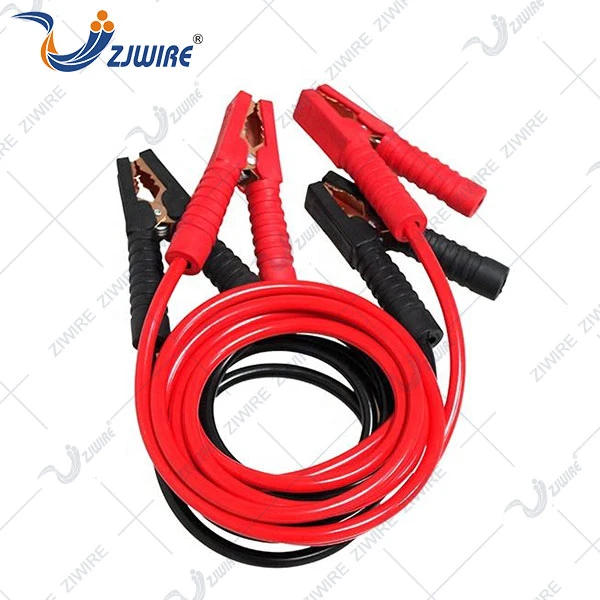
As an automotive wire supplier, we offer a wide range of automotive wire terminals to meet the diverse needs of our customers. In addition to terminals, we also provide high - quality automotive wires such as the FLRY - B Cable, which is known for its excellent insulation properties and durability. Our Car Modification Wire is specifically designed for car enthusiasts who want to customize their vehicles' electrical systems. And our Car Booster Cable is ideal for quickly jump - starting a dead battery.
Contact Us for Your Automotive Wire Needs
If you're in the market for automotive wire terminals or other automotive wires, we'd love to hear from you. Our team of experts can help you select the right products for your specific application. Whether you're a professional mechanic, a car manufacturer, or a DIY car enthusiast, we have the products and knowledge to meet your needs. Don't hesitate to reach out to us for more information or to start a procurement discussion.
References
- "Automotive Electrical Systems Handbook"
- "Electrical Terminal Technology Manual"
- Industry standards and specifications from automotive wire and terminal manufacturers


