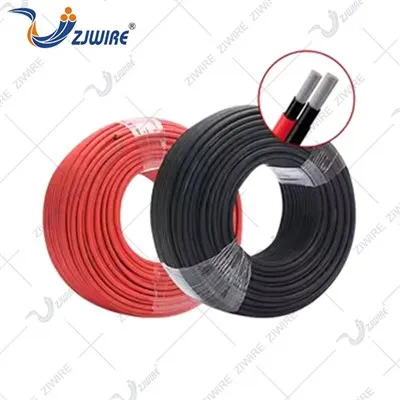
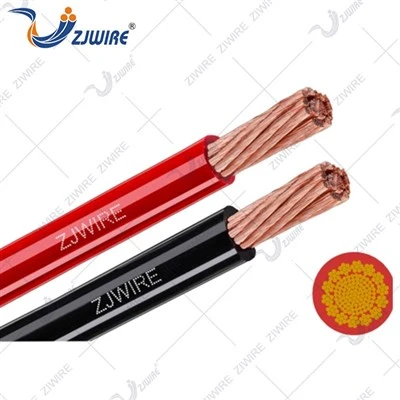
As a solar cable supplier, I understand the critical role that solar cables play in the efficient and reliable operation of solar power systems. One of the most significant threats to the performance and longevity of solar cables is moisture damage. Moisture can lead to a variety of issues, including corrosion, insulation breakdown, and electrical shorts, which can ultimately result in system failures and costly repairs. In this blog post, I will discuss the preventive measures against moisture damage to solar cables, drawing on my experience in the industry and the best practices recommended by experts.
Understanding the Risks of Moisture Damage
Before delving into the preventive measures, it is essential to understand the risks associated with moisture damage to solar cables. Solar cables are typically installed outdoors, where they are exposed to a variety of environmental conditions, including rain, snow, humidity, and condensation. Over time, moisture can penetrate the cable's insulation, leading to corrosion of the conductors and degradation of the insulation material. This can result in a loss of electrical conductivity, increased resistance, and ultimately, a reduction in the efficiency of the solar power system.
In addition to corrosion and insulation breakdown, moisture can also cause electrical shorts, which can be dangerous and potentially lead to fires. When moisture comes into contact with the conductors, it can create a path for electrical current to flow outside of the intended circuit, causing a short circuit. This can damage the solar panels, inverters, and other components of the system, and may even pose a risk to the safety of the installation site.
Preventive Measures Against Moisture Damage
To prevent moisture damage to solar cables, it is important to take a proactive approach and implement a comprehensive moisture management strategy. The following are some of the key preventive measures that I recommend:
1. Choose High-Quality Cables
The first step in preventing moisture damage is to choose high-quality solar cables that are specifically designed to withstand the harsh environmental conditions of outdoor installations. Look for cables that are made from materials with excellent moisture resistance, such as cross-linked polyethylene (XLPE) or ethylene propylene rubber (EPR). These materials provide a high level of insulation and protection against moisture, ensuring the long-term reliability of the cables.
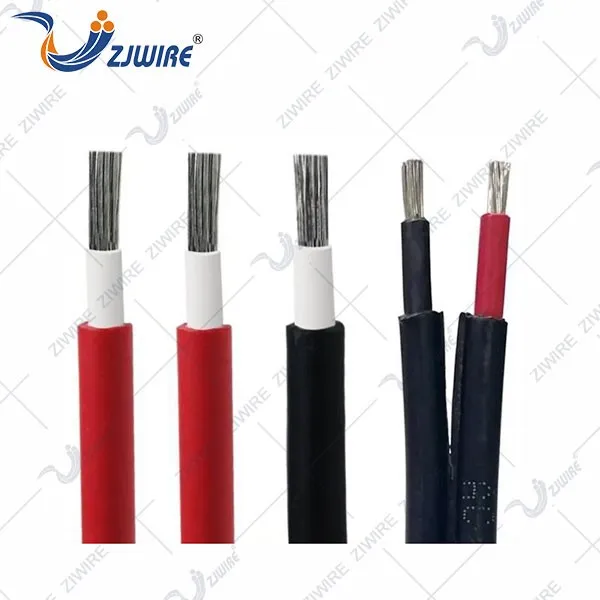
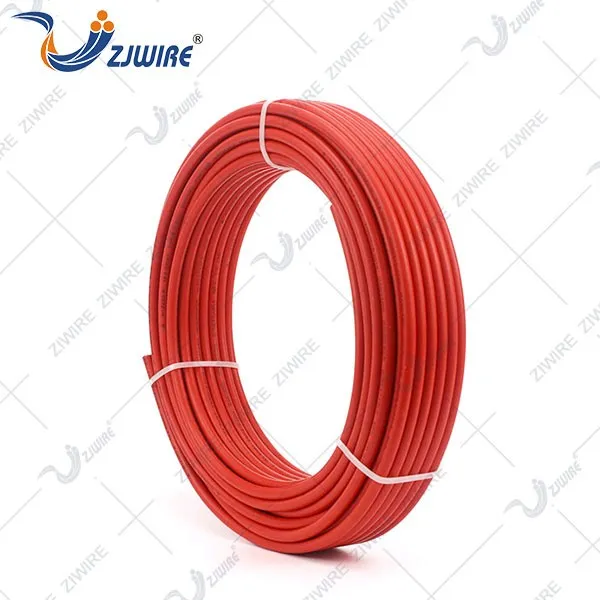
For example, our Solar PV Cables(Single) are manufactured using high-quality XLPE insulation, which offers superior moisture resistance and electrical performance. These cables are designed to meet the strictest industry standards and are suitable for a wide range of solar power applications.
2. Proper Installation Techniques
Proper installation techniques are crucial for preventing moisture from entering the cables. When installing solar cables, it is important to ensure that all connections are properly sealed and insulated. Use waterproof connectors and cable glands to prevent moisture from seeping into the cable joints. Additionally, make sure that the cables are installed in a way that allows for proper drainage, avoiding any low points where water can accumulate.
For instance, when installing RVVP Cable, it is important to follow the manufacturer's instructions carefully. Ensure that the cable is routed away from areas prone to water pooling and that the connectors are tightened securely to prevent moisture ingress.
3. Use Cable Conduits and Trays
Cable conduits and trays provide an additional layer of protection against moisture and other environmental factors. By enclosing the cables in a conduit or tray, you can prevent direct exposure to rain, snow, and other sources of moisture. Choose conduits and trays that are made from materials with good corrosion resistance, such as PVC or stainless steel.
When using cable conduits, make sure that they are properly sealed at both ends to prevent moisture from entering. Additionally, ensure that the conduits are installed with a slight slope to allow for proper drainage.
4. Regular Inspections and Maintenance
Regular inspections and maintenance are essential for detecting and preventing moisture damage to solar cables. Inspect the cables periodically for signs of wear, damage, or moisture ingress. Look for any visible signs of corrosion, insulation breakdown, or water accumulation. If any issues are detected, take immediate action to address them.
In addition to visual inspections, it is also recommended to perform electrical tests on the cables to ensure their proper functioning. These tests can help identify any potential problems before they become major issues.
5. Protect Against Condensation
Condensation can be a significant source of moisture damage to solar cables, especially in areas with large temperature variations. To prevent condensation from forming on the cables, it is important to provide proper ventilation and insulation. Use insulation materials with a low thermal conductivity to reduce the temperature difference between the cable and the surrounding environment.
Additionally, consider installing a dehumidifier or ventilation system in areas where condensation is likely to occur. These systems can help maintain a stable humidity level and prevent moisture from accumulating on the cables.
6. Select Appropriate Cables for the Environment
When selecting solar cables, it is important to consider the specific environmental conditions of the installation site. Different cables are designed to perform better in different environments, so choose cables that are suitable for the temperature, humidity, and other environmental factors of the location.
For example, in areas with high humidity or frequent rainfall, it may be necessary to use cables with a higher level of moisture resistance. Our TUV PV1-F cables are specifically designed for use in harsh outdoor environments and offer excellent protection against moisture and other environmental factors.
Conclusion
Moisture damage is a significant threat to the performance and longevity of solar cables. By implementing the preventive measures discussed in this blog post, you can reduce the risk of moisture damage and ensure the reliable operation of your solar power system. Remember to choose high-quality cables, use proper installation techniques, provide adequate protection, and perform regular inspections and maintenance.
If you are in the market for solar cables or have any questions about preventing moisture damage, I encourage you to contact us for more information. We are a leading supplier of high-quality solar cables and can provide you with the products and expertise you need to ensure the success of your solar power project.