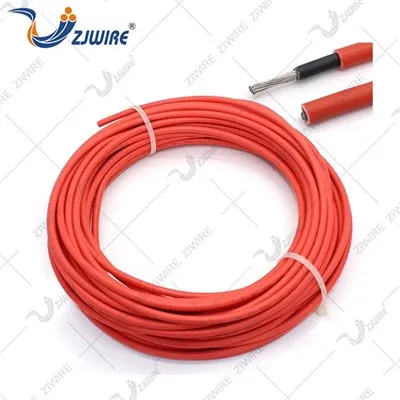
Hey there! As an American Wire Gauge (AWG) supplier, I've seen firsthand how crucial proper wire labeling is. It's not just about slapping on a random tag; there are specific requirements that need to be met. In this blog, I'll break down what those requirements are and why they matter.
Understanding American Wire Gauge
First off, let's quickly go over what American Wire Gauge is. AWG is a standardized system used to measure the diameter of electrical wires. The smaller the AWG number, the larger the wire diameter. This system is widely used in the United States and other countries for electrical wiring applications.
Why Labeling Wires is Important
Labeling wires is essential for several reasons. It helps electricians and technicians quickly identify the purpose, voltage, and other important information about a wire. This can save time during installation, maintenance, and troubleshooting. Additionally, proper labeling ensures safety by reducing the risk of electrical accidents caused by misconnections.
Requirements for Labeling Wires According to AWG
1. Size and AWG Number
The first requirement is to clearly indicate the wire size in AWG. This is usually done by printing the AWG number directly on the wire insulation. For example, a wire labeled "12 AWG" means it has a specific diameter corresponding to the 12th gauge in the AWG system. This information is crucial for determining the wire's current-carrying capacity and compatibility with electrical devices.
2. Voltage Rating
Another important requirement is to label the wire with its voltage rating. This indicates the maximum voltage that the wire can safely handle. For instance, a wire labeled "600V" can be used in electrical systems with a maximum voltage of 600 volts. It's important to use wires with the appropriate voltage rating to prevent electrical failures and safety hazards.
3. Temperature Rating
Wires also need to be labeled with their temperature rating. This indicates the maximum temperature at which the wire can operate safely. Different applications may require wires with different temperature ratings. For example, wires used in high-temperature environments, such as industrial ovens or automotive engines, need to have a higher temperature rating.


4. Insulation Type
The type of insulation used on the wire should also be clearly labeled. Different insulation materials have different properties, such as resistance to heat, chemicals, and moisture. For example, XHHW Cable is a type of wire with a specific insulation material that provides good resistance to moisture and heat.
5. Manufacturer Information
It's important to include the manufacturer's information on the wire label. This includes the name of the manufacturer, the product code, and any other relevant information. This helps in case there are any issues with the wire or if you need to contact the manufacturer for more information.
6. Safety Standards
Wires should be labeled to indicate that they meet certain safety standards. For example, UL2570 Cable is a type of wire that meets the UL 2570 safety standard. This standard ensures that the wire is safe for use in specific applications.
7. Color Coding
In addition to the above requirements, color coding is often used to further identify wires. Different colors can represent different functions or phases in an electrical system. For example, in a three-phase electrical system, the phases are often represented by different colors such as red, yellow, and blue.
How We Ensure Compliance
As an AWG supplier, we take these requirements very seriously. We make sure that all our wires are properly labeled according to the relevant standards. Our manufacturing process includes strict quality control measures to ensure that the labels are accurate and durable. We also keep up-to-date with the latest industry standards and regulations to ensure that our products meet the highest safety and performance requirements.
Benefits of Using Properly Labeled Wires
Using properly labeled wires offers several benefits. Firstly, it makes installation and maintenance easier. Electricians can quickly identify the wires they need, which saves time and reduces the risk of errors. Secondly, it improves safety. By clearly indicating the voltage, temperature, and other important information, the risk of electrical accidents is reduced. Finally, it helps with compliance. In many industries, proper wire labeling is a legal requirement, and using compliant wires ensures that you meet the necessary regulations.
Conclusion
In conclusion, proper wire labeling according to American Wire Gauge is crucial for safety, efficiency, and compliance. By following the requirements for labeling wires, you can ensure that your electrical systems operate smoothly and safely. If you're in the market for high-quality AWG wires, we're here to help. We offer a wide range of wires that are properly labeled and meet all the relevant standards. Whether you need XHHW Cable, UL2570 Cable, or any other type of wire, we've got you covered.
If you're interested in learning more about our products or have any questions, feel free to reach out. We'd love to discuss your specific needs and help you find the right wires for your project. Let's work together to ensure your electrical systems are safe and reliable.