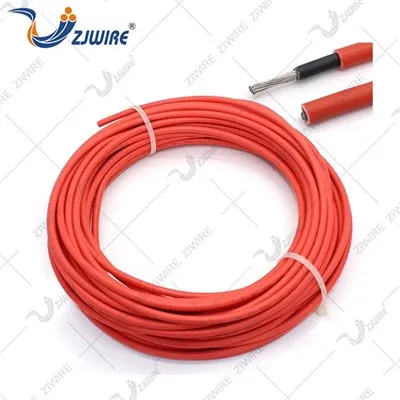
As a supplier of PVC insulated copper core wire, I understand the critical importance of preventing short - circuits in these wires. Short - circuits not only pose significant safety risks but also can lead to equipment damage and costly downtime. In this blog, I will share some effective strategies to prevent short - circuits in PVC insulated copper core wire.
Understanding the Basics of Short - Circuits
A short - circuit occurs when an unintended connection is made between two points in an electrical circuit with different electrical potentials. In the case of PVC insulated copper core wire, this can happen due to various reasons. The copper core is an excellent conductor of electricity, and the PVC insulation is designed to prevent the flow of current outside the intended path. However, if the insulation is damaged, the copper core can come into contact with other conductive materials, leading to a short - circuit.
Common Causes of Short - Circuits in PVC Insulated Copper Core Wire
- Physical Damage: This is one of the most common causes. PVC insulation can be damaged during installation, handling, or due to external factors such as sharp objects, rodents, or excessive bending. For example, if the wire is pinched between two hard surfaces during installation, the insulation may crack or break, exposing the copper core.
- Overheating: Excessive current flowing through the wire can cause it to overheat. Over time, the heat can degrade the PVC insulation, making it more susceptible to damage and short - circuits. This can happen if the wire is overloaded, or if there are issues with the electrical system, such as a malfunctioning appliance or a short - circuit in another part of the circuit.
- Moisture and Humidity: PVC insulation can absorb moisture, which can reduce its insulating properties. If the wire is exposed to high levels of moisture or humidity, the insulation may break down, leading to a short - circuit. This is particularly a concern in areas with high humidity or where the wire is installed in damp locations, such as basements or bathrooms.
- Aging and Wear: Over time, the PVC insulation can deteriorate due to normal wear and tear. This can be accelerated by factors such as exposure to sunlight, chemicals, or high temperatures. As the insulation ages, it becomes more brittle and prone to cracking, increasing the risk of a short - circuit.
Preventive Measures
- Proper Installation:
- Use the Right Tools: Ensure that the installation is done using the appropriate tools. For example, use wire strippers to remove the insulation instead of using a knife, which can damage the copper core.
- Avoid Over - Bending: Do not bend the wire beyond its recommended bending radius. Excessive bending can damage the insulation and the copper core.
- Secure the Wire: Make sure the wire is properly secured to prevent it from being pulled or moved, which can cause physical damage to the insulation.
- Load Management:
- Calculate the Load: Before installing the wire, calculate the electrical load that the wire will need to carry. Make sure to choose a wire with the appropriate ampacity (current - carrying capacity) for the intended load.
- Avoid Overloading: Do not exceed the maximum load capacity of the wire. If you need to add more electrical devices, consider upgrading the wire or the electrical system.
- Environmental Protection:
- Keep the Wire Dry: Avoid installing the wire in areas where it will be exposed to moisture or humidity. If it is necessary to install the wire in a damp location, use moisture - resistant insulation or install a protective conduit.
- Protect from Sunlight and Chemicals: If the wire is exposed to sunlight or chemicals, use UV - resistant insulation or a protective coating. This can help prevent the insulation from deteriorating due to environmental factors.
- Regular Inspection and Maintenance:
- Visual Inspection: Regularly inspect the wire for signs of damage, such as cracks, cuts, or discoloration. If any damage is found, replace the wire immediately.
- Testing: Periodically test the wire for continuity and insulation resistance. This can help detect potential short - circuits before they occur.
Importance of Using High - Quality Wires
Using high - quality PVC insulated copper core wire is crucial for preventing short - circuits. High - quality wires are made with better insulation materials and manufacturing processes, which provide better protection against physical damage, overheating, and environmental factors. For example, UL10070 Cable and UL Cable are designed to meet strict safety standards and are less likely to cause short - circuits.
Specific Considerations for Different Types of Wires
- SPT - 3 Wires: SPT - 3 wires are commonly used for appliances and extension cords. These wires have a specific construction and insulation requirements. When using SPT - 3 wires, make sure to follow the manufacturer's instructions for installation and use. Avoid using these wires in high - current applications or in areas where they may be exposed to excessive heat or moisture.
- Thicker Gauge Wires: Thicker gauge wires have a lower resistance and can carry more current without overheating. If you are dealing with high - power applications, consider using thicker gauge PVC insulated copper core wires. However, make sure to choose the appropriate wire size based on the electrical load and the length of the wire run.
Conclusion
Preventing short - circuits in PVC insulated copper core wire is essential for ensuring the safety and reliability of electrical systems. By understanding the common causes of short - circuits and implementing the preventive measures discussed in this blog, you can significantly reduce the risk of short - circuits. As a supplier of PVC insulated copper core wire, I am committed to providing high - quality products and technical support to help you prevent short - circuits and ensure the proper functioning of your electrical systems.
If you are interested in purchasing PVC insulated copper core wire or have any questions about preventing short - circuits, please feel free to contact us for a detailed discussion. We are here to assist you in finding the best solutions for your electrical needs.