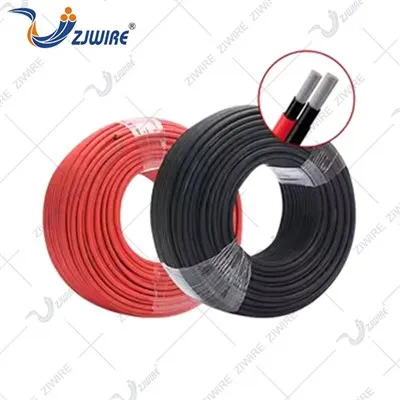
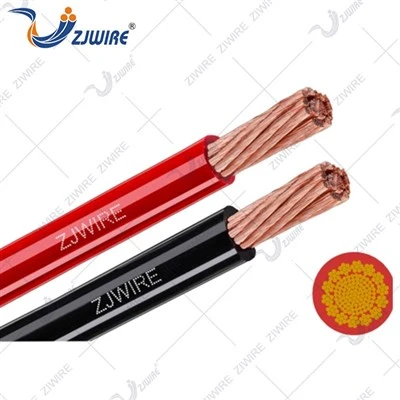
As a supplier of flexible cable PVC insulated cables, I often encounter inquiries from customers regarding the abrasion resistance of these cables. Abrasion resistance is a crucial property, especially for flexible cables that are frequently moved, bent, or exposed to rough surfaces during their service life. In this blog post, I will delve into what abrasion resistance means for flexible cable PVC insulated cables, the factors influencing it, and how we ensure high - quality abrasion - resistant cables for our customers.
Understanding Abrasion Resistance
Abrasion resistance refers to a material's ability to withstand wear and tear caused by friction when it comes into contact with another surface. For flexible cable PVC insulated cables, abrasion can occur in various scenarios. For example, in industrial settings, cables may be dragged across floors, rubbed against machinery parts, or squeezed between objects. In outdoor applications, they might be exposed to rough terrain, rocks, or vegetation.
When a cable's insulation is abraded, it can lead to several issues. Firstly, the protective layer is compromised, which may expose the inner conductors. This not only increases the risk of electrical short - circuits but also makes the cable more vulnerable to environmental factors such as moisture and chemicals. Secondly, continuous abrasion can weaken the cable structure over time, reducing its overall lifespan and reliability.
Factors Affecting Abrasion Resistance of PVC Insulated Flexible Cables
PVC Material Quality
The quality of the PVC used in cable insulation is a primary factor. High - grade PVC compounds are formulated with additives that enhance their mechanical properties, including abrasion resistance. These additives can improve the hardness, toughness, and elasticity of the PVC. For instance, some PVC formulations may contain plasticizers that make the material more flexible while still maintaining its resistance to abrasion. Our company sources the highest - quality PVC materials from trusted suppliers and conducts strict quality control checks to ensure that only the best materials are used in our cables.
Cable Design
The design of the cable also plays a significant role in its abrasion resistance. A well - designed cable will have an appropriate thickness of insulation. If the insulation is too thin, it will be more prone to abrasion. On the other hand, an overly thick insulation may make the cable less flexible, which defeats the purpose of a flexible cable. Additionally, the construction of the cable, such as the arrangement of conductors and the presence of additional protective layers, can impact abrasion resistance. For example, some of our cables are designed with a braided or spiral - wound protective layer over the insulation, which provides an extra barrier against abrasion.
Environmental Conditions
The environment in which the cable is used has a direct impact on its abrasion resistance. In harsh industrial environments with high levels of dust, debris, or chemicals, cables are more likely to experience abrasion. Outdoor environments, especially those with extreme temperatures, UV exposure, and rough terrain, also pose challenges. For example, in mining operations, cables are constantly exposed to abrasive rocks and dust, which require cables with extremely high abrasion resistance. We offer different types of cables tailored to specific environmental conditions to ensure optimal performance.
Testing Abrasion Resistance
To guarantee the quality of our flexible cable PVC insulated cables, we conduct rigorous abrasion - resistance tests. One common test method is the Taber abrasion test. In this test, a sample of the cable insulation is rotated against an abrasive wheel under a specified load. The weight loss of the sample after a certain number of rotations is measured, and this value is used to evaluate the abrasion resistance of the material.
Another test is the sandpaper abrasion test. In this test, the cable is rubbed against a sandpaper surface with a defined pressure and number of strokes. The surface of the cable is then inspected for signs of damage, such as scratches, cuts, or loss of insulation.
We also simulate real - world conditions in our testing facilities. For example, we use a cable - dragging machine to mimic the process of cables being pulled across rough surfaces. By subjecting our cables to these tests, we can accurately assess their performance and make necessary improvements to our manufacturing processes.
Our Product Range and Abrasion Resistance
We offer a wide range of flexible cable PVC insulated cables, each designed with specific applications and abrasion - resistance requirements in mind.
The H07V - F is a popular choice for general - purpose applications. It has a high - quality PVC insulation that provides good abrasion resistance, making it suitable for indoor and outdoor use in environments with moderate levels of abrasion.
The H07VV - F is an upgraded version with enhanced insulation properties. It is designed for more demanding applications where higher levels of abrasion resistance are required. This cable is often used in industrial machinery, power tools, and mobile equipment.
The H07V - K is a highly flexible cable with excellent abrasion resistance. It is commonly used in applications where the cable needs to be frequently moved and bent, such as in robotic systems and automation equipment.
Ensuring Long - Term Performance
To ensure the long - term performance of our cables, we also provide customers with proper installation and maintenance guidelines. Correct installation, such as avoiding sharp bends and ensuring proper support for the cable, can significantly reduce the risk of abrasion. Regular inspection of the cables for signs of wear and tear is also essential. If any damage is detected, the cable should be replaced promptly to prevent further problems.
Contact Us for Your Cable Needs
If you are in need of high - quality flexible cable PVC insulated cables with excellent abrasion resistance, we are here to help. Our team of experts can assist you in selecting the right cable for your specific application. Whether you are working on a small - scale project or a large industrial installation, we have the products and knowledge to meet your requirements. Don't hesitate to contact us to discuss your cable needs and start a procurement negotiation.


References
- Cable Engineering Handbook, Third Edition. This comprehensive handbook provides in - depth knowledge about cable design, materials, and performance, including abrasion resistance.
- International Electrotechnical Commission (IEC) standards related to cable insulation and mechanical properties. These standards set the benchmarks for cable quality and performance, including requirements for abrasion resistance.
- Research papers on polymer materials and their application in cable insulation. These papers offer the latest research findings on improving the abrasion resistance of PVC materials.