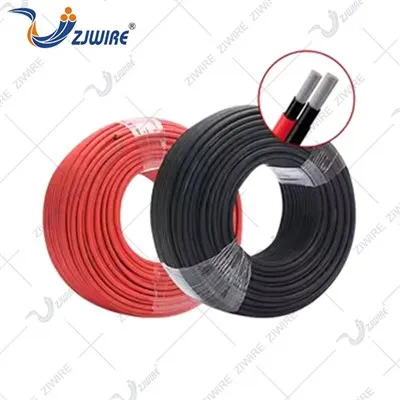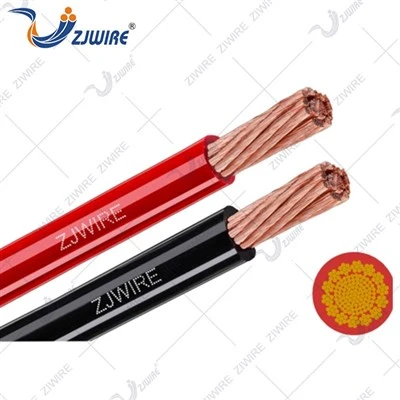
Hey there! I'm a supplier of Nylon Sheathed Wire, and I often get asked if our nylon sheathed wires are resistant to salt spray. It's a super important question, especially for those who plan to use the wires in coastal areas or other environments with high salt content in the air. So, let's dive right in and break this down.
First off, what exactly is salt spray, and why does it matter for wires? Salt spray is basically a mist of saltwater that gets carried by the wind. In coastal regions, industrial areas near the sea, or places with de - icing salts on the roads during winter, salt spray can be pretty common. When this salt spray comes into contact with wires, it can cause all sorts of problems. The salt can corrode the metal conductors inside the wire and also damage the outer insulation. If the insulation gets damaged, it can lead to short - circuits, electrical failures, and even pose a safety risk.
Now, let's talk about our nylon sheathed wire. Nylon is a synthetic polymer that has some really great properties. It's tough, flexible, and has good chemical resistance. But when it comes to salt spray, the resistance isn't absolute. Nylon does have a certain level of inherent resistance to salt spray. The smooth surface of nylon makes it difficult for salt particles to adhere to it. And compared to some other materials, it won't break down as easily when exposed to the corrosive effects of salt.
However, it's not a magic bullet. Over time, if the wire is constantly exposed to a high - concentration salt spray environment, there can still be some wear and tear. The salt can gradually penetrate the nylon sheath, especially if there are any small scratches or defects on the surface. Once the salt gets inside, it can start to corrode the inner conductors.
To understand this better, let's look at some of the factors that affect the salt - spray resistance of our nylon sheathed wire.
1. Thickness of the Nylon Sheath
A thicker nylon sheath provides better protection. It acts as a barrier between the salt spray and the inner conductors. If the sheath is thin, the salt has a shorter distance to travel to reach the conductors. So, when you're choosing our nylon sheathed wire, consider the thickness based on the expected salt - spray exposure. For areas with heavy salt spray, a thicker sheath is definitely a better choice.
2. Quality of the Nylon
Not all nylon is created equal. The quality of the nylon used in our sheaths can have a big impact on salt - spray resistance. High - quality nylon is more uniform in structure and has fewer impurities. This makes it more resistant to the corrosive effects of salt. At our company, we use top - notch nylon materials to ensure the best possible performance of our wires.
3. Environmental Conditions
The frequency and concentration of salt spray in the environment play a huge role. If the area has occasional, light salt spray, our nylon sheathed wire can handle it quite well for a long time. But in areas where there's continuous, heavy salt spray, like on an offshore oil rig or a beachfront power station, additional protective measures might be needed.
4. Presence of Other Chemicals
Salt spray is often not the only thing in the air. There could be other chemicals, like sulfur dioxide in industrial areas, which can react with the salt and make the corrosion process even faster. Our nylon sheathed wire has some resistance to a variety of chemicals, but in a complex chemical environment, it's important to be aware of these potential interactions.
We also offer different types of nylon sheathed wires to meet various needs. For example, our THHN/THWN/THWN - 2 wires are widely used in many electrical applications. These wires have a nylon sheath that provides good mechanical protection and some level of salt - spray resistance. They are suitable for both indoor and outdoor use, but in high - salt - spray areas, you might want to take extra precautions.


Another option is our UL2501 Cable. This cable is designed for more demanding applications. It has a robust nylon sheath that offers enhanced protection against environmental factors, including salt spray. And then there's our UL2570 Cable, which is also engineered to withstand tough conditions.
So, what can you do to make sure your nylon sheathed wire lasts as long as possible in a salt - spray environment?
- Regular Inspections: Check the wires periodically for any signs of damage, such as cracks in the nylon sheath or corrosion on the conductors. If you spot any issues early, you can take action to prevent further damage.
- Cleaning: If possible, clean the wires occasionally to remove any salt deposits. Use a mild cleaning solution and a soft cloth to avoid scratching the sheath.
- Coating: In some cases, applying a protective coating on top of the nylon sheath can provide an extra layer of protection against salt spray.
In conclusion, our nylon sheathed wires do have a certain level of resistance to salt spray, but it's not foolproof. It depends on multiple factors, as we've discussed. If you're in an area with high salt - spray exposure, it's important to choose the right type of wire and take proper maintenance steps.
If you're in the market for nylon sheathed wire and have questions about salt - spray resistance or any other aspect, don't hesitate to reach out. We're here to help you find the best solution for your specific needs. Whether it's for a small DIY project or a large industrial application, we've got the expertise and the products to meet your requirements.
Contact us today to start the procurement process and let's work together to ensure your electrical systems are reliable and safe.
References
- ASTM standards on salt - spray testing of polymers
- Technical literature on nylon materials and their chemical resistance