


The chemical resistance of parallel twin wire is a crucial factor that significantly impacts its performance and durability in various industrial and commercial applications. As a leading supplier of parallel twin wire, I have witnessed firsthand the diverse challenges that different chemical environments pose to the integrity of these wires. In this blog post, I'll delve into the intricate details of chemical resistance, exploring what it means for parallel twin wire and how it relates to our products.
Understanding Chemical Resistance
Chemical resistance refers to a material's ability to withstand the corrosive effects of various chemicals. When it comes to parallel twin wire, this property is essential because wires are often exposed to a wide range of substances in different settings. For instance, in industrial manufacturing plants, wires may come into contact with acids, alkalis, solvents, and oils. In outdoor environments, they can be exposed to moisture, salts, and pollutants. If a wire lacks sufficient chemical resistance, these substances can degrade its insulation and conductor materials, leading to electrical failures, safety hazards, and reduced service life.
Factors Affecting Chemical Resistance of Parallel Twin Wire
Insulation Material
The insulation material is the first line of defense for parallel twin wire against chemical attack. Different types of insulation materials have varying degrees of resistance to different chemicals. For example, polyvinyl chloride (PVC) is a commonly used insulation material in parallel twin wire due to its good general chemical resistance, flexibility, and cost - effectiveness. PVC can resist many common acids, alkalis, and salts at moderate concentrations. However, it may be susceptible to some organic solvents and high - temperature environments.
On the other hand, fluoropolymers such as polytetrafluoroethylene (PTFE) offer excellent chemical resistance. They can withstand a wide range of aggressive chemicals, including strong acids, bases, and organic solvents, even at high temperatures. But PTFE is more expensive and less flexible compared to PVC, which may limit its use in some applications.
Conductor Material
The conductor material also plays a role in chemical resistance. Copper is the most widely used conductor material in parallel twin wire because of its high electrical conductivity and relatively good corrosion resistance. Copper forms a thin oxide layer on its surface when exposed to air, which provides some protection against further oxidation and corrosion. However, in the presence of certain chemicals, such as sulfur - containing compounds, copper can react and corrode more rapidly. Aluminum is another conductor option. While it is lighter and less expensive than copper, it has a lower corrosion resistance in some chemical environments, especially in alkaline solutions.
Environmental Conditions
The conditions under which the parallel twin wire operates can greatly affect its chemical resistance. Temperature, humidity, and the concentration of chemicals all influence the rate of chemical reactions. For example, higher temperatures generally accelerate chemical reactions, so a wire that can withstand a certain chemical at room temperature may degrade more quickly at elevated temperatures. High humidity can also enhance the corrosive effects of some chemicals, as water can act as a medium for chemical reactions.
Our Parallel Twin Wire and Chemical Resistance
At our company, we understand the importance of chemical resistance in parallel twin wire applications. We offer a wide range of products with different insulation and conductor materials to meet the diverse needs of our customers.
For general - purpose applications where cost - effectiveness is a priority, our parallel twin wire with PVC insulation provides a good balance of chemical resistance and affordability. This type of wire is suitable for use in indoor environments where exposure to chemicals is limited, such as in residential and commercial wiring.
In more demanding applications where high - level chemical resistance is required, we offer wires with special insulation materials. For example, we have parallel twin wire with cross - linked polyethylene (XLPE) insulation. XLPE has better chemical resistance than standard PVC, especially in high - temperature and high - humidity environments. It can also withstand some mild solvents and chemicals, making it suitable for industrial applications.
We also supply parallel twin wire with fluoropolymer insulation for the most extreme chemical environments. These wires are ideal for use in chemical processing plants, laboratories, and other settings where exposure to aggressive chemicals is common.
Comparison with Related Products
To better understand the chemical resistance of our parallel twin wire, it's useful to compare it with other types of cables.
UL1284 Cable is designed for use in control circuits and power distribution systems. It typically has good mechanical and electrical properties, and its insulation material is selected to provide a certain level of chemical resistance. However, compared to our specialized parallel twin wire for chemical - resistant applications, UL1284 Cable may not offer the same level of protection in highly corrosive environments.
UL1332 Cable is often used in communication and signal transmission. While it has its own set of performance requirements, its chemical resistance may be tailored more towards protecting against common environmental pollutants rather than aggressive industrial chemicals.
Thin‑Wall PVC Hook‑up Wire is known for its thin insulation and flexibility. It is suitable for low - voltage applications where space is limited. However, the thin - wall PVC insulation may have a lower chemical resistance compared to our thicker - insulated parallel twin wire, especially when exposed to harsh chemicals.

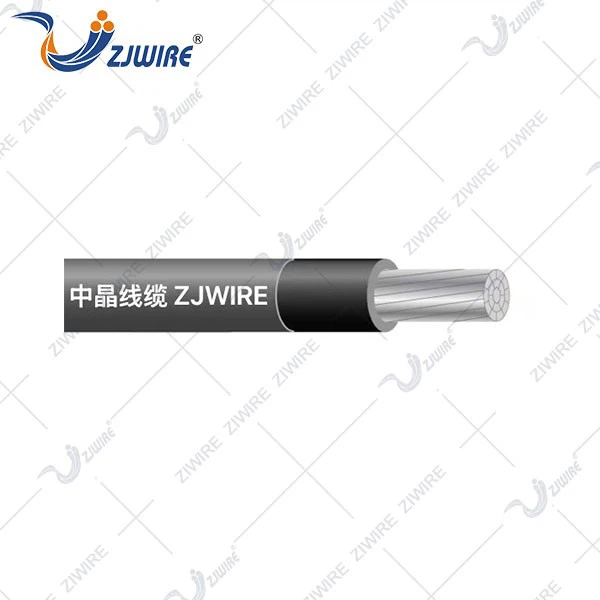
Oil‑Resistant Flexible Portable Cable is specifically designed to resist the effects of oil. While it has excellent oil resistance, its performance in other chemical environments may vary depending on the specific insulation and jacket materials used. Our parallel twin wire can be customized to provide a more comprehensive chemical resistance profile based on the specific needs of the application.
THHN/THWN/THWN - 2 cables are widely used in building wiring. They have good electrical properties and are rated for different temperature and environmental conditions. But when it comes to chemical resistance, our parallel twin wire can be engineered to offer better protection in specific chemical - rich scenarios.
Importance of Chemical Resistance in Different Industries
Chemical Processing Industry
In chemical processing plants, parallel twin wire is exposed to a vast array of aggressive chemicals. Any failure in the wire due to chemical degradation can lead to significant production disruptions, safety incidents, and environmental hazards. Our chemical - resistant parallel twin wire ensures reliable electrical connections in these critical environments, minimizing the risk of system failures.
Automotive Industry
In the automotive industry, wires are exposed to fuels, oils, and cleaning agents. Chemical - resistant parallel twin wire can maintain its integrity over time, reducing the need for frequent replacements and improving the overall reliability of electrical systems in vehicles.
Marine Industry
The marine environment is highly corrosive, with saltwater, humidity, and sea - air pollutants. Parallel twin wire with high chemical resistance can withstand these harsh conditions, making it suitable for use in boats, ships, and offshore platforms.
Conclusion
The chemical resistance of parallel twin wire is a multi - faceted property that depends on factors such as insulation and conductor materials, as well as environmental conditions. As a leading supplier of parallel twin wire, we are committed to providing our customers with high - quality products that meet their specific chemical - resistance requirements.
Whether you are in the chemical processing, automotive, marine, or any other industry, we have the expertise and products to offer you the right solution. If you are interested in learning more about our parallel twin wire and its chemical - resistance capabilities, or if you have a specific application in mind, we encourage you to contact us for a detailed consultation and to discuss your procurement needs. We look forward to partnering with you to ensure the success of your projects.


