Hey there! As a supplier of PVC insulated copper core wire, I often get asked about the differences between our product and other types of wires. So, I thought I'd take a moment to break it down for you.
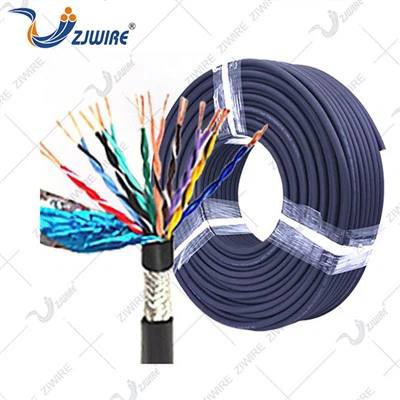
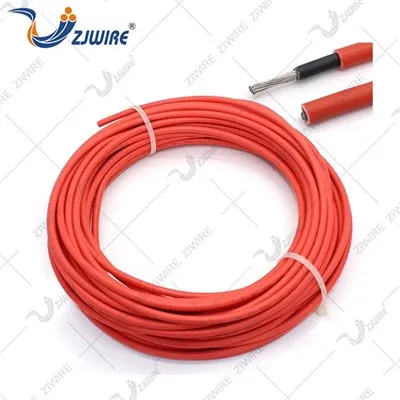
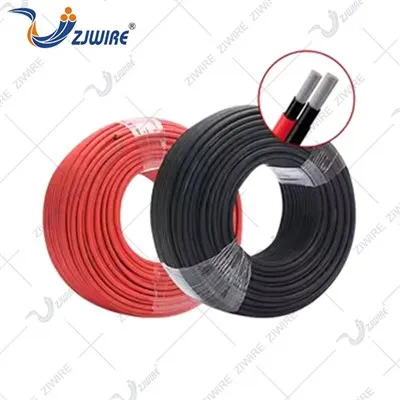
Let's start with the basics. PVC insulated copper core wire is exactly what it sounds like - a copper core that's insulated with polyvinyl chloride (PVC). Copper is used because it's an excellent conductor of electricity. It allows electrical current to flow smoothly with minimal resistance, which means less energy is wasted as heat. This is super important for efficiency, especially in applications where a lot of power is being transmitted.
Now, PVC is used for insulation because it's tough, flexible, and resistant to a bunch of different things. It can stand up to moisture, chemicals, and abrasion, which makes it great for all sorts of environments. Whether it's indoors in a home electrical system or outdoors in a more rugged setting, PVC insulation helps protect the copper core and keeps the wire safe to use.
So, how does it stack up against other types of wires? Let's take a look at a few common ones.
Rubber-insulated Wires
Rubber-insulated wires have been around for a long time. They were once the go-to choice for a lot of electrical applications. Rubber is a natural insulator, and it has some great properties. It's very flexible, which makes it easy to work with, especially in tight spaces. And it can handle a fair amount of heat.
However, rubber has its drawbacks. Over time, it can dry out and crack, especially if it's exposed to high temperatures or harsh chemicals. This can lead to the insulation breaking down, which is a safety hazard. PVC insulated copper core wire, on the other hand, is much more resistant to these kinds of issues. The PVC insulation doesn't dry out or crack as easily, so it has a longer lifespan and is generally more reliable.
Aluminum Core Wires
Aluminum core wires are another option that you might come across. Aluminum is a cheaper alternative to copper, so it's often used in applications where cost is a major factor. It's also lighter than copper, which can be an advantage in some situations, like in large electrical installations where weight needs to be kept down.


But aluminum isn't as good a conductor as copper. It has a higher resistance, which means more energy is lost as heat when electricity flows through it. This can lead to inefficiencies and potentially cause overheating. Additionally, aluminum can react with oxygen in the air to form a layer of oxide on its surface. This oxide layer can increase the resistance even more and cause problems with electrical connections. PVC insulated copper core wire doesn't have these issues. The copper core ensures efficient electrical transmission, and the PVC insulation helps protect the wire from oxidation.
Fiberglass-insulated Wires
Fiberglass-insulated wires are known for their high-temperature resistance. They're often used in applications where the wire will be exposed to extreme heat, like in industrial ovens or some types of lighting fixtures. Fiberglass can withstand much higher temperatures than PVC, so it's a great choice in these situations.
However, fiberglass isn't as flexible as PVC. It can be more difficult to bend and shape, which can make installation a bit of a challenge. And it's also more brittle, so it's more likely to break if it's mishandled. PVC insulated copper core wire offers a good balance of flexibility and durability, making it easier to install in a wider range of applications.
Specific Types of Wires
Let's also touch on a few specific types of wires and how they compare to our PVC insulated copper core wire.
- UL20276 Cable: The UL20276 Cable is designed for specific applications, often in consumer electronics. It has its own set of standards and specifications. While it might be suitable for certain low-power, low-voltage applications, our PVC insulated copper core wire offers more versatility. It can be used in a wider range of voltage and power levels, and the PVC insulation provides better protection against environmental factors.
- SPT-3: The SPT-3 is commonly used for lamp cords and other light-duty electrical applications. It's a relatively thin wire with a basic insulation. Our PVC insulated copper core wire, on the other hand, can handle higher power loads and is more durable. The PVC insulation is thicker and more resistant to damage, making it a better choice for more demanding applications.
- TSJ Cable: The TSJ Cable is often used in automotive and marine applications. It's designed to withstand the harsh conditions in these environments, like vibrations, moisture, and temperature changes. While it's a specialized cable for these specific uses, our PVC insulated copper core wire can also be used in similar situations with proper installation. The PVC insulation provides good protection against moisture and abrasion, and the copper core ensures reliable electrical performance.
In conclusion, PVC insulated copper core wire offers a great combination of conductivity, durability, and flexibility. It's suitable for a wide range of applications, from small household electrical projects to large industrial installations. Whether you're looking for a wire that can handle high power, resist environmental factors, or is easy to install, our PVC insulated copper core wire is a top choice.
If you're in the market for high-quality PVC insulated copper core wire, or if you have any questions about which wire is right for your project, I'd love to help. Just reach out, and we can have a chat about your specific needs. Let's work together to find the perfect wire solution for you.
References
- Electrical Wiring Handbook, various editions
- National Electrical Code (NEC) standards