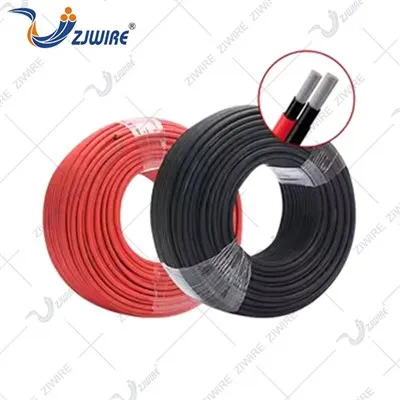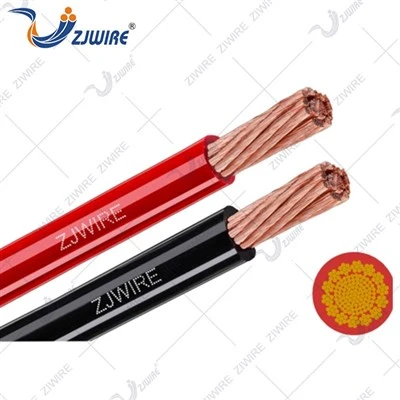
Hey there! As a supplier of Heat Resistant PVC Insulated Cables, I often get asked about the maximum voltage these cables can withstand. It's a crucial question, especially for those in industries where electrical safety and performance are top priorities. So, let's dive right in and explore this topic in detail.
Understanding Heat Resistant PVC Insulated Cables
First off, let's talk a bit about what Heat Resistant PVC Insulated Cables are. PVC, or polyvinyl chloride, is a widely used material in cable insulation due to its excellent electrical properties, flexibility, and cost - effectiveness. When we say "heat resistant," it means these cables are designed to operate in high - temperature environments without degrading the insulation and compromising the cable's performance.
These cables are used in a variety of applications, such as in industrial machinery, heating systems, and some electrical appliances. The heat resistance allows them to maintain their integrity even when exposed to elevated temperatures, which is essential for long - term reliability.
Factors Affecting the Maximum Voltage
The maximum voltage that a Heat Resistant PVC Insulated Cable can withstand isn't a one - size - fits - all number. It depends on several factors:
1. Insulation Thickness
Thicker insulation generally means the cable can handle higher voltages. The insulation acts as a barrier between the conductors and the surrounding environment, preventing electrical breakdown. A thicker layer of PVC can better resist the electrical stress caused by high voltages. For example, in some industrial settings where high - voltage power is required, cables with thicker insulation are used to ensure safety.
2. Temperature Rating
Heat resistant PVC cables come with different temperature ratings. The higher the temperature rating, the more stable the insulation properties are at elevated temperatures. When a cable is operating at high temperatures, the insulation material can degrade more quickly, reducing its ability to withstand voltage. So, a cable with a high - temperature rating can maintain its maximum voltage capacity even in hot environments.
3. Cable Construction
The way the cable is constructed also plays a role. For instance, multi - conductor cables may have different voltage - handling capabilities compared to single - conductor cables. The spacing between conductors, the type of shielding (if any), and the overall design of the cable can all impact its maximum voltage rating.


Typical Maximum Voltage Ratings
In general, Heat Resistant PVC Insulated Cables can have a wide range of maximum voltage ratings. For low - voltage applications, such as in household appliances or small electrical devices, these cables may be rated for 300 volts or less. These are often used in situations where the power requirements are relatively low and the electrical environment is less demanding.
On the other hand, for industrial applications, the maximum voltage rating can go up to 600 volts or even higher in some cases. Industrial machinery, power distribution systems, and other high - power applications require cables that can handle significant electrical loads.
Let's take a look at some specific cable types and their voltage ratings:
-
UL20276 Cable: This type of cable is designed for various applications, including in some consumer electronics and low - to - medium - power systems. You can find more detailed information about it UL20276 Cable. It typically has a maximum voltage rating that is suitable for its intended use, often in the range of 300 - 600 volts, depending on the specific construction and insulation thickness.
-
UL3135 Cable: The UL3135 Cable is used in different electrical installations. It is engineered to meet certain safety and performance standards. Its maximum voltage rating can vary, but it's often designed to handle medium - voltage applications, usually in the 600 - 1000 - volt range, making it suitable for some industrial and commercial settings.
-
UL2426 Cable: UL2426 Cable is another option. It has its own set of characteristics and voltage ratings. This cable may be used in applications where a balance between flexibility and voltage - handling capacity is required. The maximum voltage it can withstand is often in the 300 - 600 - volt range, depending on the specific configuration.
Importance of Staying Within the Voltage Rating
It's super important to use Heat Resistant PVC Insulated Cables within their specified maximum voltage ratings. If you exceed the rating, it can lead to electrical breakdown, which can cause short circuits, fires, and damage to equipment. Electrical breakdown occurs when the insulation can no longer withstand the electrical stress, allowing current to flow where it shouldn't.
For example, if you use a cable rated for 300 volts in a 600 - volt application, the insulation may break down, leading to a dangerous situation. This not only puts the equipment at risk but also endangers the safety of people in the vicinity.
How to Determine the Right Cable for Your Application
When you're looking for a Heat Resistant PVC Insulated Cable for your specific application, here are some steps you can take:
1. Assess Your Voltage Requirements
Figure out the maximum voltage that your application will require. This may involve looking at the electrical specifications of the equipment you're using or the power source.
2. Consider the Environment
Think about the temperature and other environmental conditions where the cable will be installed. If it's a hot environment, you'll need a cable with a high - temperature rating. If there are other factors like moisture or chemical exposure, you may need a cable with additional protective features.
3. Consult a Professional
If you're not sure which cable is right for you, it's always a good idea to consult with an electrical engineer or a cable expert. They can help you select the cable with the appropriate maximum voltage rating and other characteristics based on your specific needs.
Contact Us for Your Cable Needs
If you're in the market for Heat Resistant PVC Insulated Cables, we're here to help. As a supplier, we have a wide range of cables with different maximum voltage ratings to suit various applications. Whether you need a cable for a small - scale project or a large industrial installation, we can provide you with high - quality products.
We understand that every customer's needs are unique, and we're committed to providing personalized solutions. So, if you have any questions about the maximum voltage of our cables or need help selecting the right one for your project, don't hesitate to reach out. We're happy to assist you in making the best choice for your electrical needs.
References
- Electrical Wiring Handbook
- National Electrical Code (NEC)
- UL Standards for Electrical Cables