Can you believe it? A single cable weighs over 7,000 tons! What does that mean? It's like 80 or so train cars fully loaded with goods all pressing down right in front of you. Now the question is, how on earth did this colossal thing quietly sink into the sea and obediently lie at the bottom, dozens of meters deep?
This incident took place on Weizhou Island in Guangxi. You might have visited there for a trip. The scenery is breathtaking, but you might not know that this volcanic island, which is over 24 nautical miles away from the mainland, was previously in "island mode" - generating its own electricity and using oil and gas. Not only was the electricity expensive, but it was also often in short supply. Especially in summer, when air conditioners were turned on, the voltage of the entire island would fluctuate. But now, a "sea dragon" is quietly diving into the deep sea, connecting Weizhou Island to the mainland's power grid. This operation is like installing an "uninterruptible lifeline" for the isolated island!
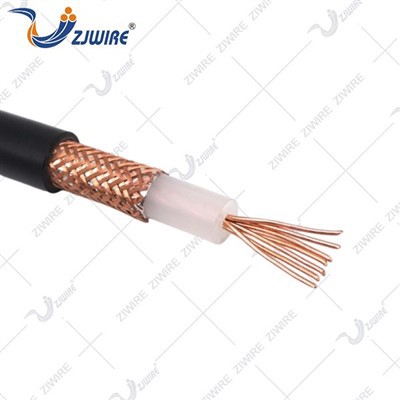
This "dragon", scientifically known as a 220-kilovolt submarine cable, is 44.8 kilometers long. You might have seen cables on land, which are simply wrapped in black insulation. But submarine cables? They are the "Iron Man" of the cable world. The steel and copper armor mixed with asphalt on the outside is specifically designed to withstand the high pressure, corrosion, and even shark bites in the deep sea. This is not just a cable; it's like putting on a "deep-sea battle armor" for the electricity!
Even more impressive is that the "dragon scales" of this "battle armor" - the cross-linked polyethylene insulation material - was previously entirely imported, and the suppliers had a tight grip on the supply. Imagine spending a fortune and still having to kowtow to them. If the supply was cut off, the project would be doomed. This time, the technical team of China Southern Power Grid really went all out and managed to crack this tough nut, developing a domestically produced "dragon scale armor". But having the materials is one thing; getting this 7,000-ton "giant dragon" precisely to the seabed is another matter entirely. Do you think it's as simple as just throwing it into the sea? That's like trying to thread a needle with your eyes closed. The key lies in a ship called "Dejing 106", which is like a "construction maniac" of the seabed. It can navigate while using high-pressure water jets to carve a 4.3-meter-deep trench on the seabed, then lay the cable steadily in it, and finally fill it with sand and mud, completing the entire process seamlessly without leaving a trace.
This engineering team truly has "environmental protection" engraved in their bones. They deliberately drilled through the coral reefs from 25 meters below the seabed, reducing the disturbance to the seabed by 85%. During the construction, a research vessel was monitoring the water quality and corals 24/7. What was the result? The water quality remained at Class I, the corals were thriving, and even 35 whale and dolphin sightings were recorded in the area. The little creatures voted with their feet, proving that these workers didn't cause any trouble for them.


Even more, they came up with a "compensation plan" - releasing 37 million units of fish, shrimp and shellfish larvae into the sea. This is simply implementing the concept of "whoever causes damage, whoever repairs" into "whoever constructs, whoever benefits".After 16 days and nights of underwater work, this "giant dragon" finally crossed the seabed from Beihai and landed steadily on Weizhou Island.
It brings far more than just uninterrupted power supply. Behind this is the complete end of the history of "isolated grid operation", allowing the tens of thousands of residents and tourists on the island to enjoy "electricity freedom" from now on. More importantly, it paves the way for the future offshore wind power in the Beibu Gulf, enabling clean energy to be continuously transmitted from the sea to the land.
Looking back, this 7,000-ton submarine cable lies not only on the seabed but also serves as a microcosm of China's manufacturing journey from catching up to leading. From material independence to intelligent construction, from coexisting with corals to living in harmony with whales and dolphins, it shows us that true strength in the face of the sea is not about conquering it, but learning to coexist gently with this deep blue.