

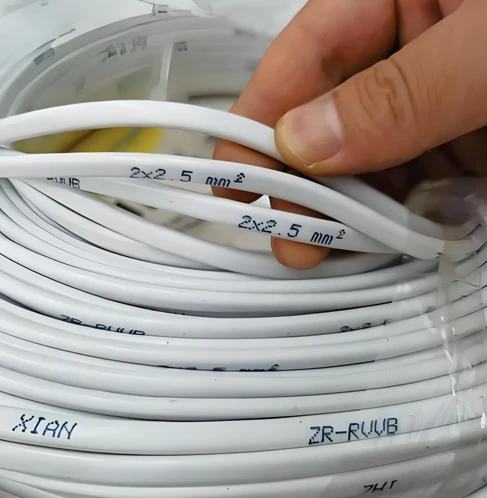
Substandard electrical wires can lead to various hazards such as circuit damage, electrical leakage, and even fires. Oh no! Fake wires are so well disguised-how can you tell them apart? Here's how:
1. Burn test: When burned, fake wires ignite quickly, producing bright flames and thick smoke. Genuine wires burn slowly, emitting little or no smoke and without open flames.
2. Packaging: Authentic wires have clear markings on the insulation layer, including wire specifications, model numbers, and 3C certification labels with legible text. These marks usually resist washing and cannot be easily rubbed off; only banana oil can remove them. Each coil should include a certificate of conformity containing the manufacturer's address and phone number, 3C marking, quality system certification, voltage rating, and wire model and specifications. Counterfeit wires either lack these details or have incomplete information.
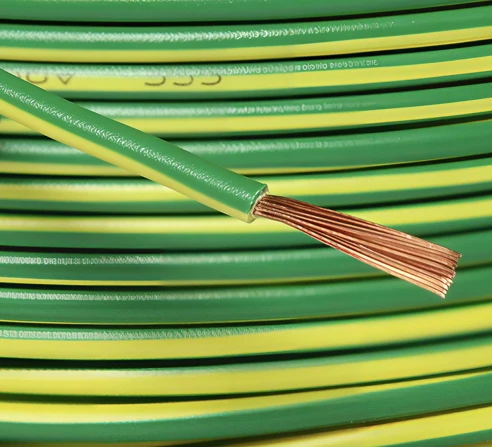
3. Copper quality: The higher the brightness and uniformity of the copper surface, the better its quality. Genuine copper cores are bright purple-red, shiny, smooth, and soft to the touch. If you strip a small section of the plastic coating and examine the inner copper strands closely, gently touching the tip with your palm should feel smooth and non-irritating, with a soft texture. Inferior copper cores appear dark purple, yellowish, or whitish, contain more impurities, and have poor mechanical strength and toughness. They break easily under slight pressure and often show internal breaks. To check, peel back about 2 cm of the wire and rub it lightly against a white sheet of paper. If black residue appears on the paper, the copper core contains excessive impurities. Additionally, although substandard insulation may look thick, it is often made from recycled plastic, which ages over time and leads to insulation failure and leakage.

4. Length: While there is no national requirement for meter markings, many manufacturers still use them. However, the presence of meter markings does not guarantee compliance with national standards-most standard wires do not have them. Non-standard wires use meter markings merely as a marketing tactic. Generally, standard wires come in 100-meter lengths.
5. Testing by hand: Take one end of the wire and repeatedly bend it manually. High-quality wires feel soft, exhibit excellent fatigue resistance, and have elastic plastic or rubber insulation that shows no cracking.


