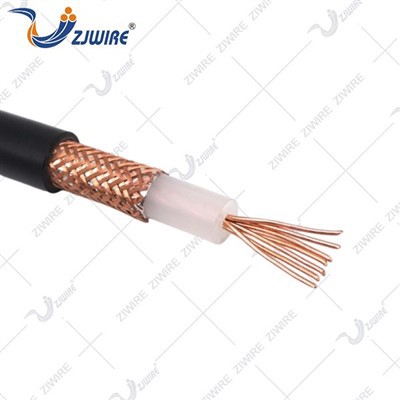
Cable failures are rarely caused by sudden burnout; more often, they develop gradually as moisture works its way inside. Groundwater, seasonal condensation, and industrial moisture may seem harmless, but they can seep through connections, terminals, and damaged sheathing over time. By the time insulation resistance falls or a breakdown triggers a power outage, the repair costs are already substantial.
What makes this damage so dangerous is that it progresses quietly and is often irreversible. Moisture migrates slowly along conductor gaps through capillary action and pressure differences, eventually forming electrical and water trees that speed up insulation deterioration. This is why many projects that cut corners on cable quality early on end up facing far higher costs down the line.
Effective cable waterproofing takes more than just extra layers of wrapping-it requires a well-designed, systematic solution. A proven industry approach uses three coordinated layers: first, liquid silicone rubber and heat-shrinkable materials to create nearly gap-free interfaces; second, water-blocking compounds and swelling tapes to seal microvoids; and finally, a double sheath or mechanical restraint for added protection. Strict controls are essential at every stage-production, installation, and operation-especially job-site cleanliness, even heat application, and full curing. Even small inconsistencies can compromise the entire seal. Simply put, waterproofing is not an optional extra; it is fundamental to a cable's long-term performance.


Additional risks of cable water ingress:
Water tree degradation
Under electric field stress, trapped moisture forms microscopic water trees (tiny voids from 0.1 μm to several μm across) that slowly erode insulation until the cable fails completely. This process usually takes over eight years, but high temperatures, humidity, or voltage can significantly speed it up.
Metal corrosion
Moisture in low-voltage cables corrodes steel tapes, copper conductors, and other metal parts, weakening insulation and potentially leading to short circuits or even explosions.
Reduced electrical performance
Moisture raises dielectric loss in cables, degrading impedance, signal attenuation, return loss, and other key properties-with especially severe effects on high-speed data transmission cables.