


As a supplier of European standard cables, one question I often get asked is whether these cables are resistant to UV rays. This is a crucial concern, especially for outdoor applications where cables are constantly exposed to sunlight. In this blog post, I'll delve into the science behind UV resistance in European standard cables, explore different cable types, and provide insights to help you make informed decisions for your projects.
Understanding UV Radiation and Its Effects on Cables
Ultraviolet (UV) radiation is a part of the electromagnetic spectrum emitted by the sun. It has shorter wavelengths than visible light and is divided into three categories: UVA, UVB, and UVC. UVC is mostly absorbed by the Earth's atmosphere, but UVA and UVB can reach the surface and cause damage to various materials, including cables.
When cables are exposed to UV rays over an extended period, several issues can arise. The UV radiation can break down the molecular structure of the cable's insulation and sheathing materials. This leads to a process called photo - oxidation, where the material becomes brittle, loses its flexibility, and develops cracks. As a result, the cable's electrical performance can be compromised, and it may become more susceptible to moisture ingress, which can further lead to short circuits and other electrical failures.
European Standard Cables and Their UV Resistance
European standard cables are designed to meet specific quality and safety requirements set by European norms. These standards take into account various environmental factors, including UV exposure. However, not all European standard cables have the same level of UV resistance.
H07RN - F Cables
The H07RN - F cable is a popular choice for many outdoor applications. It is a flexible rubber - sheathed cable commonly used for portable electrical equipment, such as power tools and garden appliances. The outer sheath of the H07RN - F cable is made of a special rubber compound that provides a certain degree of UV resistance.
The rubber material in the H07RN - F cable has additives that can absorb and dissipate UV energy, reducing the impact of photo - oxidation. However, it's important to note that while it has some UV resistance, long - term and intense exposure to sunlight can still cause degradation over time. For applications where the cable will be exposed to direct sunlight for extended periods, additional protection or regular inspection may be required.
H07VV - F Cables
The H07VV - F cable is a PVC - sheathed cable widely used in indoor and outdoor electrical installations. PVC (Polyvinyl Chloride) is a common material for cable insulation and sheathing due to its good electrical properties and relatively low cost.
In terms of UV resistance, standard PVC used in H07VV - F cables may not be sufficient for long - term outdoor exposure. However, there are UV - stabilized PVC formulations available. These formulations contain additives that enhance the material's ability to withstand UV radiation. When specifying H07VV - F cables for outdoor use, it's essential to ensure that the cable is made with UV - stabilized PVC to prevent premature degradation.
H05VVD3H6 - F Cables
The H05VVD3H6 - F cable is another type of European standard cable, often used in specific industrial and outdoor applications. Similar to the H07VV - F cable, it has a PVC - based construction.
The UV resistance of the H05VVD3H6 - F cable depends on the quality of the PVC used and whether it is UV - stabilized. For outdoor installations where the cable will be exposed to sunlight, it is recommended to choose a version of the cable with enhanced UV protection. This can significantly extend the cable's lifespan and ensure reliable electrical performance.
Factors Affecting UV Resistance in European Standard Cables
Several factors can influence the UV resistance of European standard cables:
Material Composition
As mentioned earlier, the type of material used for the cable's insulation and sheathing plays a crucial role. Rubber and PVC are common materials, but their UV resistance can vary depending on the specific formulation and the presence of UV - stabilizing additives. Other materials, such as cross - linked polyethylene (XLPE), may also be used in some high - performance cables, and they generally offer better UV resistance compared to standard PVC.
Thickness of the Sheathing
A thicker cable sheathing can provide more protection against UV radiation. The additional material acts as a barrier, reducing the amount of UV energy that reaches the inner insulation layers. However, increasing the thickness also adds to the cost and weight of the cable, so a balance needs to be struck between protection and practicality.
Environmental Conditions
The intensity and duration of UV exposure are important factors. Cables installed in regions with high levels of sunlight, such as deserts or tropical areas, will experience more severe UV stress compared to those in temperate regions. Additionally, other environmental factors like temperature, humidity, and pollution can interact with UV radiation and accelerate the degradation process.
Testing and Certification for UV Resistance
European standard cables are often tested for UV resistance to ensure they meet the required standards. These tests typically involve exposing the cable samples to artificial UV light sources for a specified period under controlled conditions. The samples are then evaluated for changes in physical and electrical properties, such as hardness, tensile strength, and insulation resistance.

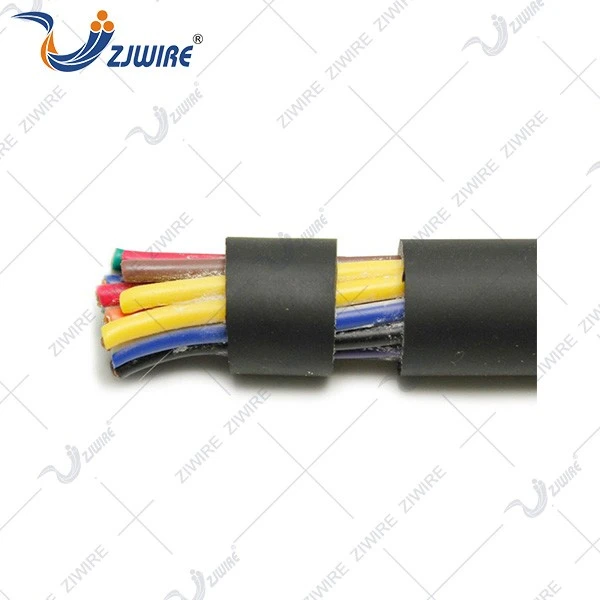
Cables that pass these tests are usually marked with relevant certifications, indicating their level of UV resistance. When purchasing European standard cables for outdoor use, it's important to look for these certifications to ensure that the cable can withstand the expected UV exposure in your application.
Tips for Ensuring Long - Term UV Resistance
If you're using European standard cables in outdoor applications, here are some tips to ensure their long - term UV resistance:
- Choose the Right Cable Type: Select a cable with appropriate UV - resistant properties based on your specific application and the expected level of UV exposure. Consider factors such as the location, duration of sunlight exposure, and the importance of the electrical system.
- Provide Physical Protection: Use cable trays, conduits, or other protective enclosures to shield the cables from direct sunlight. This can significantly reduce the UV stress on the cables and extend their lifespan.
- Regular Inspection and Maintenance: Periodically inspect the cables for signs of UV damage, such as cracks, brittleness, or discoloration. Replace any damaged cables promptly to prevent electrical failures.
Conclusion
In conclusion, European standard cables can have varying levels of UV resistance depending on their type, material composition, and design. While some cables, like the H07RN - F, H07VV - F, and H05VVD3H6 - F, can be used in outdoor applications, it's crucial to understand their limitations and take appropriate measures to ensure long - term performance.
If you're in need of European standard cables for your projects, whether it's for indoor or outdoor use, I'm here to help. As a trusted supplier, I can provide you with high - quality cables that meet your specific requirements. Contact me to discuss your cable needs and let's start a procurement negotiation to find the best solution for your application.
References
- International Electrotechnical Commission (IEC) standards on cable testing and UV resistance.
- European Committee for Electrotechnical Standardization (CENELEC) publications related to European standard cables.
- Technical literature from cable manufacturers on UV - resistant cable materials and designs.


