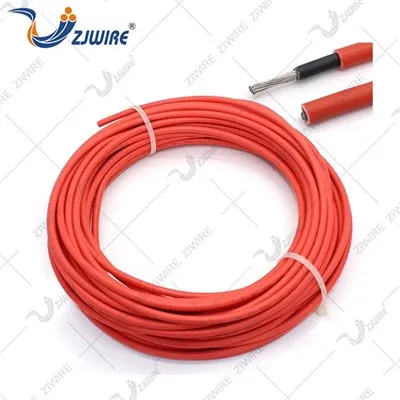
Can Heat Resistant PVC Insulated Cables be used in smart home systems?
In the modern era, smart home systems have become increasingly popular, offering homeowners convenience, energy efficiency, and enhanced security. As the demand for these systems grows, so does the need for reliable and high - performance electrical components, including cables. One type of cable that has been considered for use in smart home systems is heat - resistant PVC insulated cables. In this blog, as a supplier of heat - resistant PVC insulated cables, I will explore whether these cables are suitable for smart home applications.
Understanding Heat - Resistant PVC Insulated Cables
Heat - resistant PVC (Polyvinyl Chloride) insulated cables are designed to withstand elevated temperatures without compromising their electrical and mechanical properties. PVC is a widely used insulating material due to its excellent electrical insulation, flexibility, and cost - effectiveness. The heat - resistant variant of PVC is formulated to resist degradation at higher temperatures, making it suitable for applications where heat is a concern.
These cables typically have a temperature rating that indicates the maximum temperature at which they can operate safely. For example, some heat - resistant PVC insulated cables can withstand temperatures up to 90°C or even higher. This makes them suitable for use in environments where there is a risk of overheating, such as near electrical appliances or in areas with poor ventilation.
Advantages of Using Heat - Resistant PVC Insulated Cables in Smart Home Systems
- Safety: Safety is a top priority in smart home systems. Heat - resistant PVC insulated cables reduce the risk of fire caused by overheating. In a smart home, there are numerous electrical devices and components that generate heat, such as smart thermostats, lighting systems, and home automation controllers. Using heat - resistant cables can prevent the insulation from melting or catching fire, protecting the home and its occupants.
- Reliability: Smart home systems rely on a stable electrical connection to function properly. Heat - resistant PVC insulated cables are less likely to degrade over time due to heat exposure, ensuring a reliable electrical supply. This is crucial for the smooth operation of smart devices, which often require a consistent power source to perform their functions accurately.
- Flexibility: PVC is a flexible material, which makes heat - resistant PVC insulated cables easy to install. In a smart home, cables need to be routed through walls, ceilings, and other tight spaces. The flexibility of these cables allows for easy installation, reducing the time and effort required for wiring.
- Cost - Effectiveness: Compared to some other types of high - temperature cables, heat - resistant PVC insulated cables are relatively affordable. This makes them an attractive option for homeowners who want to install a smart home system without breaking the bank.
Considerations for Using Heat - Resistant PVC Insulated Cables in Smart Home Systems
- Compatibility with Smart Devices: Not all smart devices are designed to work with heat - resistant PVC insulated cables. Some devices may require specific types of cables with certain electrical characteristics. Before using these cables in a smart home system, it is important to check the device manufacturer's specifications to ensure compatibility.
- Environmental Conditions: While heat - resistant PVC insulated cables can withstand high temperatures, they may not be suitable for all environmental conditions. For example, in areas with high humidity or exposure to chemicals, the PVC insulation may degrade over time. It is important to consider the environmental factors in the installation location and choose the appropriate cable accordingly.
- Code Compliance: Smart home systems must comply with local electrical codes and regulations. When using heat - resistant PVC insulated cables, it is essential to ensure that they meet the relevant standards. For example, in the United States, cables used in electrical installations must meet the requirements of the National Electrical Code (NEC). Some heat - resistant PVC insulated cables may be UL - listed, such as UL10692, UL2464 Cable, and UL1430 Cable, which indicates that they have been tested and approved for use in specific applications.
Case Studies: Successful Use of Heat - Resistant PVC Insulated Cables in Smart Home Systems
There are several examples of smart home systems that have successfully used heat - resistant PVC insulated cables. For instance, in a large - scale smart home project in a commercial building, heat - resistant PVC insulated cables were used to connect various smart devices, including lighting controls, security systems, and HVAC (Heating, Ventilation, and Air Conditioning) systems. The cables were able to withstand the heat generated by these devices and provided a reliable electrical connection, ensuring the smooth operation of the smart home system.


In a residential smart home, heat - resistant PVC insulated cables were used to wire a home automation system. The cables were installed in the walls and ceilings, and they were able to handle the heat generated by the smart thermostats, smart locks, and other devices. The homeowners reported that the system has been operating flawlessly since its installation, thanks in part to the use of heat - resistant cables.
Conclusion
In conclusion, heat - resistant PVC insulated cables can be a suitable choice for smart home systems. They offer several advantages, including safety, reliability, flexibility, and cost - effectiveness. However, it is important to consider the compatibility with smart devices, environmental conditions, and code compliance when using these cables. By carefully evaluating these factors, homeowners and installers can ensure that heat - resistant PVC insulated cables are used effectively in smart home applications.
If you are interested in purchasing heat - resistant PVC insulated cables for your smart home system, we are here to help. Our company offers a wide range of high - quality heat - resistant PVC insulated cables that meet the highest standards. We can provide you with detailed information about our products and assist you in choosing the right cables for your specific needs. Please feel free to contact us to start a procurement discussion.